 DOWNLOAD
 English
 русский
 Français
 Español
 عربى

TPU compound fabric shows up in waterproof bags, inflatables, protective covers, outdoor gear, industrial applications needing flexibility and durability. For manufacturers, one big question during material selection: can TPU compound fabric be heat-welded, and how do you get consistent seam quality?
Short answer: yes, many TPU compound fabrics weld successfully—provided the material construction suits the welding method. Thermoplastic polyurethane softens under heat, letting compatible surfaces bond under controlled conditions. But the outcome depends on material composition, fabric thickness, equipment settings, quality control.
Get these factors right and you improve production efficiency, minimize defects, produce reliable welded seams.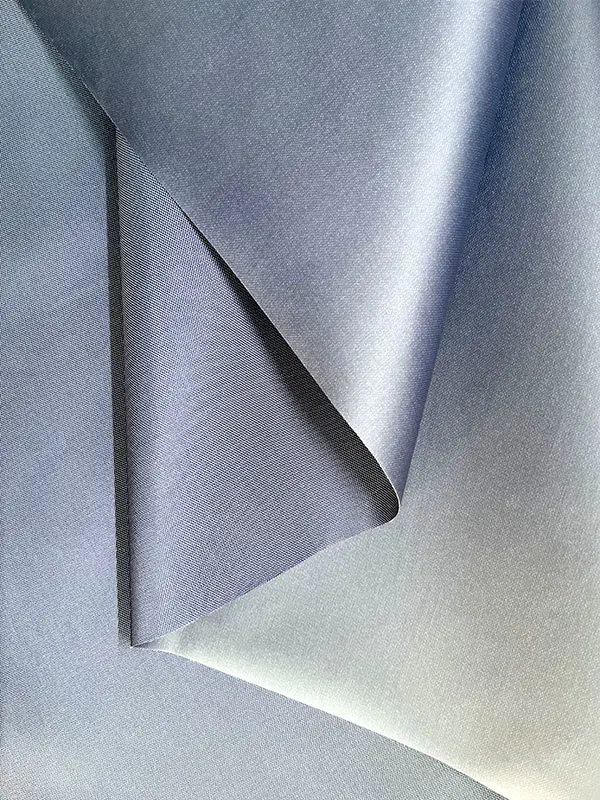
Why Is TPU Compound Fabric Suitable for Heat Welding?
TPU is a thermoplastic elastomer. Heat it, it softens. Press compatible surfaces together, they bond. That property makes many TPU-coated and TPU-laminated fabrics suitable for thermal welding.
Compared with sewing, heat welding joins surfaces without needle holes. Useful for products needing water resistance, airtight seams, or a smooth look. But not all TPU compound fabrics weld the same. Some have a TPU coating on a textile substrate. Others contain laminated films or multiple layers. These differences affect adhesion, heat transfer, seam strength.
Before production, check material specs. Confirm the exposed bonding surfaces suit the intended welding process.
Which Welding Methods Work Best for TPU Compound Fabric?
The right method depends on fabric structure, product design, production volume, required seam performance.
Common methods:
- Hot-air welding: Heated air softens joining surfaces before pressure. Common for compatible coated fabrics and flexible thermoplastic materials.
- Hot-wedge welding: A heated wedge transfers heat directly to the seam area. Useful for continuous seams in suitable sheet materials.
- Radio-frequency welding: RF energy generates heat within compatible materials. TPU can work with this process, depending on formulation and construction.
- Impulse welding: A heating element delivers controlled heat during a defined cycle. Suitability depends on fabric thickness and equipment configuration.
No single method fits every application. Consider seam geometry, bonding requirements, operating speed, material compatibility when selecting equipment.
What Factors Affect TPU Fabric Heat-Welding Quality?
Even a weldable fabric can produce weak seams or damage with wrong process settings. Several variables need careful control.
- Material composition: Different TPU formulations have different softening behaviors and processing requirements. Additives, coatings, adhesives, laminate layers influence weldability.
- Fabric thickness and structure: Woven, knitted, nonwoven substrates respond differently to heat and pressure. Uneven surfaces or thick reinforcement layers make consistent bonding harder.
- Surface cleanliness: Dust, oil, moisture, other contaminants interfere with bonding. Prepare joining surfaces per the material supplier's recommendations.
- Temperature, pressure, and dwell time: Insufficient heat gives incomplete bonding. Excessive heat causes discoloration, deformation, damage to the TPU layer. Pressure and dwell time must match material and equipment.
- Cooling and handling: Some welded joints need time to cool and stabilize before further handling. Disturb a seam too early and final performance suffers.
How Should Manufacturers Set Welding Parameters?
Don't apply universal temperature or pressure settings to every TPU compound fabric. Appropriate settings depend on the specific formulation, thickness, equipment, seam design.
Start with the fabric manufacturer's technical recommendations. Then run controlled trials to establish a suitable operating window.
| Process factor | Potential problem | Recommended control |
|---|---|---|
| Heat input | Weak bonding or thermal damage | Adjust according to material specifications |
| Welding pressure | Incomplete contact or excessive compression | Optimize for fabric thickness |
| Dwell time | Inconsistent bonding or overheating | Establish a repeatable cycle |
| Seam overlap | Insufficient bonded area | Define overlap dimensions |
| Surface preparation | Contamination-related defects | Standardize cleaning and handling |
| Cooling procedure | Seam deformation or premature loading | Follow validated process requirements |
Once parameters are set, document them in production instructions. Consistent settings reduce variation between operators, batches, shifts.
How Can Manufacturers Test Welded TPU Seams?
A seam that looks fine may still leak or fail under load. Testing should reflect the product's intended application and performance requirements.
Peel testing assesses how readily bonded layers separate. Tensile or seam-strength testing evaluates performance under applied loads. For products holding air or liquids, pressure and leakage tests identify defects.
Inspect seams for incomplete bonding, wrinkles, burn marks, delamination, uneven widths, damage to the underlying textile. For demanding applications, add repeated flexing, temperature exposure, aging, chemical resistance tests. Set acceptance criteria before production. Document them in the quality plan.
What Common Welding Problems Should Manufacturers Avoid?
Several recurring issues reduce welded TPU compound fabric quality.
Weak seams come from insufficient heat, inadequate pressure, contaminated surfaces, incompatible material layers. Burning and deformation indicate excessive heat input or prolonged exposure. Delamination happens when the TPU layer doesn't bond effectively to the underlying textile or another laminate. Inconsistent seam strength points to variations in fabric thickness, machine settings, operator technique.
When defects occur, investigate root cause systematically. Record material batches, machine parameters, inspection results, defect patterns. That helps identify recurring problems and implement effective corrective actions.
How Can Manufacturers Choose the Right TPU Compound Fabric?
Material selection drives welding performance. Request technical specs covering TPU composition, overall thickness, laminate structure, recommended welding methods, relevant performance properties.
Before approving a material for mass production, run trials using the actual fabric, equipment, seam design. For waterproof or airtight products, test finished seams against intended requirements. Assess batch consistency, technical support, material availability. A supplier maintaining stable product specs helps reduce production adjustments and improve efficiency.
Improve Production Reliability with the Right Welding Process
TPU compound fabric can often be heat-welded effectively when material and method are compatible. Reliable results need suitable equipment, carefully controlled processing parameters, testing based on the final product's intended use.
Validate the welding process before mass production. Document operating conditions. Monitor seam quality throughout manufacturing. These measures minimize material waste, improve product consistency, support dependable finished products.