 DOWNLOAD
 English
 русский
 Français
 Español
 عربى

Content
- 1 What a Container Tarpaulin Actually Has to Do
- 2 The Materials Behind the Cover
- 3 Reading a Specification Sheet Without Getting Lost
- 4 Fitting a Cover to an Open-Top Container or Flat Rack
- 5 Beyond the Container: Yard, Plant and Shelter Duty
- 6 Cleaning, Storage and Repair
- 7 Choosing a Supplier You Can Call Back
Anyone who has closed up an open-top container knows the moment: the cargo is lashed, the last rope is tied, and the tarpaulin goes on. That sheet is the difference between a shipment that arrives dry and one that arrives with a claim attached. The phrase "container tarpaulin" describes a fairly specific family of heavy-duty coated fabrics, sheets with reinforced hems, eyelets or grommets, and enough tensile strength to stay in place under wind load at sea or on a flat car.
The good news is that the material itself is well understood. What follows is a practical walk-through of what these covers have to do, how the common materials compare, and which numbers are worth checking before you place an order.
What a Container Tarpaulin Actually Has to Do
A container tarpaulin is not a decorative accessory. It works in one of the harshest environments a textile will ever see: weeks at a time on deck or on a rail car, exposed to salt spray, ultraviolet radiation, wind, and temperature swings that can run from a freezing night to a sunlit steel deck. Under those conditions a cover has to satisfy several requirements at once.
- Watertightness. The fabric itself must resist penetration, which is why coated rather than merely woven constructions dominate. Seams and hems matter just as much as the base cloth.
- Wind resistance. Wind gets under a slack sheet and turns it into a sail. Eyelet spacing, rope diameter and the way the cover is tensioned all influence how the sheet behaves at speed.
- UV and fungal stability. A cover that chalks and cracks after one season is a false economy. Coating formulation and stabiliser packages decide whether a tarp survives two voyages or ten.
- Tear and puncture strength. Forklift tines, sharp corner castings and rough handling are normal. Tear propagation, not just tensile strength, is the number that predicts field life.
- Flexibility in the cold. A cover that stiffens below zero is almost impossible to fold and unroll on a winter quay.
- Repairability. If a small tear can be patched in port with a piece of the same material and a hand welder, the shipment does not have to wait.
The Materials Behind the Cover
Three families of material still turn up in container and cargo covers, and they behave very differently once they are in service.
| Property | PVC-coated polyester | Cotton canvas | Woven polyethylene |
|---|---|---|---|
| Water resistance | Continuous coating, effectively waterproof | Poor unless heavily waxed; swells when wet | Good, but water passes through under pressure |
| UV and mildew | Good to excellent with stabilisers | Moderate; mildews in damp storage | Limited; embrittles after long sun exposure |
| Weight to strength | High; 610 to 900 g/m2 covers most container duties | Very heavy for the same strength | Light, but needs high denier to match tear values |
| Cold flexibility | Good, with the right plasticiser package | Stiff when wet or frozen | Noticeably stiff below freezing |
| Repair | Hot-air welding or adhesive patch | Sewing, rarely watertight afterwards | Welding possible, patching less reliable |
| Typical service life | Several years with reasonable care | One to two seasons | One to two seasons |
PVC-coated polyester became the default for container work for a simple reason: the coating is continuous, so water has no path through the weave, while the polyester base cloth supplies the tensile and tear strength. The coating also carries the stabilisers, pigments, flame retardants and anti-fungal additives that keep a cover working through repeated voyages. Because the material is thermoplastic, a damaged cover can be repaired on site with a hot-air welder or a patch rather than sent away for stitching.
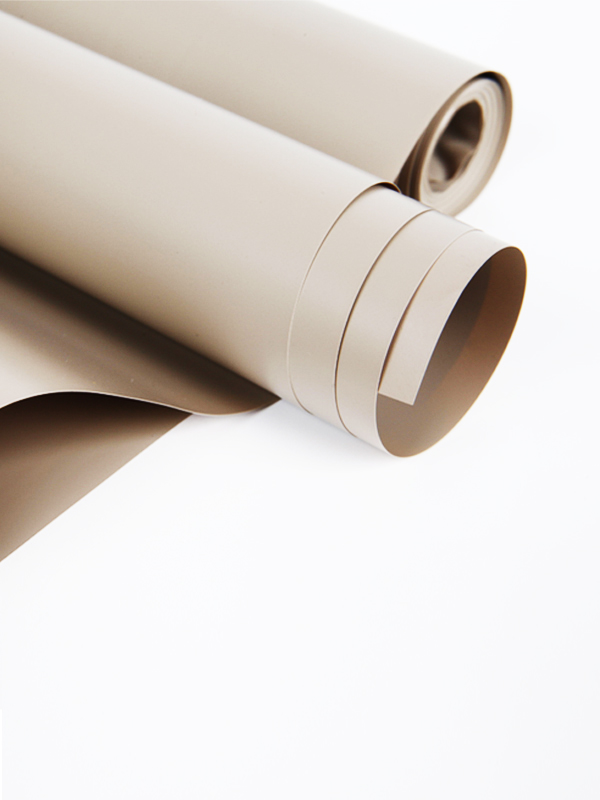
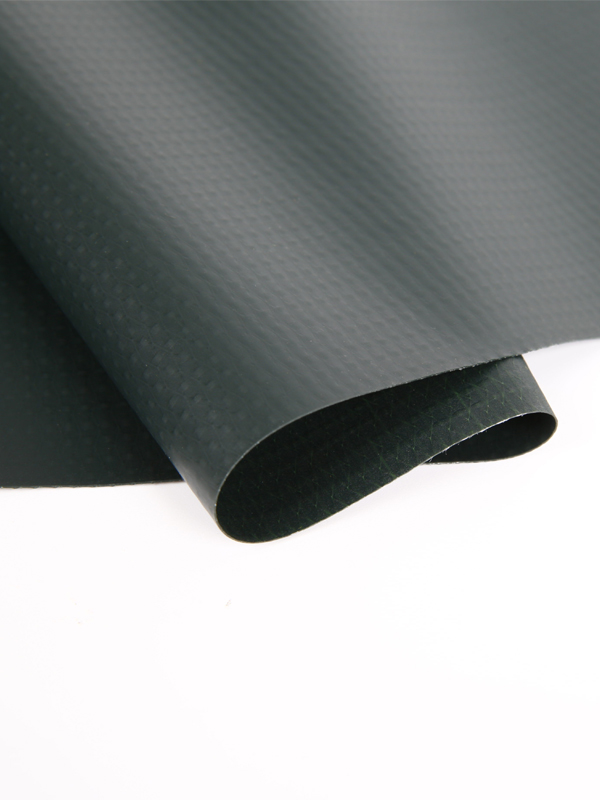
 PVC-Coated Polyester Tarpaulin Fabric for Truck CoversHeavyweight PVC-coated polyester tarpaulin with high tensile and tear strength, weldable for truck covers, tents and outdoor protection.View Product →
Reading a Specification Sheet Without Getting Lost
Coated fabric is sold on a short list of numbers, and a supplier who answers questions about them clearly is usually a supplier who knows the material.
Weight and base cloth
Total weight, normally quoted in grams per square metre, is the quickest indicator of durability, but it only means something alongside the base cloth specification. A 650 g/m2 fabric built on a 1000D, 9x9 polyester scrim behaves quite differently from the same weight on a lighter, looser construction. For container covers, 1000D to 2000D yarns are common, and the yarn count tells you how tightly the weave is packed.
Coating, finish and colour
Ask how much of the weight is coating, and whether both faces are coated. Light colours reflect heat and make damage easier to spot; darker shades hide dirt but absorb solar heat, which ages the plasticiser faster. Glossy and matte finishes also change how the sheet behaves when wet and how well markings adhere.
Width, roll length and tolerances
Container covers are usually cut from wide rolls, with 2 m to 3.2 m being typical, so a full cover can be produced with few seams. Fewer seams means fewer places for water to find a way in. Confirm the tolerance on width and weight, and check the roll length so that your cutting plan does not come up short.
| Parameter | Usual range | Why it matters |
|---|---|---|
| Total weight | 500 to 900 g/m2 | Balances tear strength, handling weight and payload margin |
| Base cloth | 1000D to 2000D polyester | Structural backbone that sets tensile and tear values |
| Coating | PVC on both faces, 20 to 40 percent by weight | Waterproofing, weldability and the UV package |
| Tensile strength | 2000 to 4000 N per 5 cm, warp direction | Resists wind load and lashing forces |
| Tear strength | 300 to 800 N, trapezoid method | Controls how far a small cut travels |
| Service temperature | Minus 30 to plus 70 degrees Celsius | Folding and handling on quay and deck |
| Eyelet spacing | 300 to 600 mm in a reinforced hem | Spreads load evenly along the lashing line |
Fitting a Cover to an Open-Top Container or Flat Rack
The specification gets the cover made; the fitting keeps it on. On an open-top container, the tarpaulin normally carries a reinforced hem with eyelets at 300 to 600 mm centres and is tensioned with rope or webbing through the corner castings and lashing rings. Two practical points are worth repeating to whoever does the lashing. First, tension should be even along the whole sheet, because a tight corner and a slack middle turns the cover into a sail. Second, the sheet must never be left sitting in a puddle; standing water adds load and always finds the weakest seam.
Flat racks and out-of-gauge loads ask more of the cover, because the sheet has to span a wider opening and often sits much closer to the weather. Larger format covers in the same coated fabric family are made for exactly this duty, and the extra width cuts down the number of joined panels across the load.
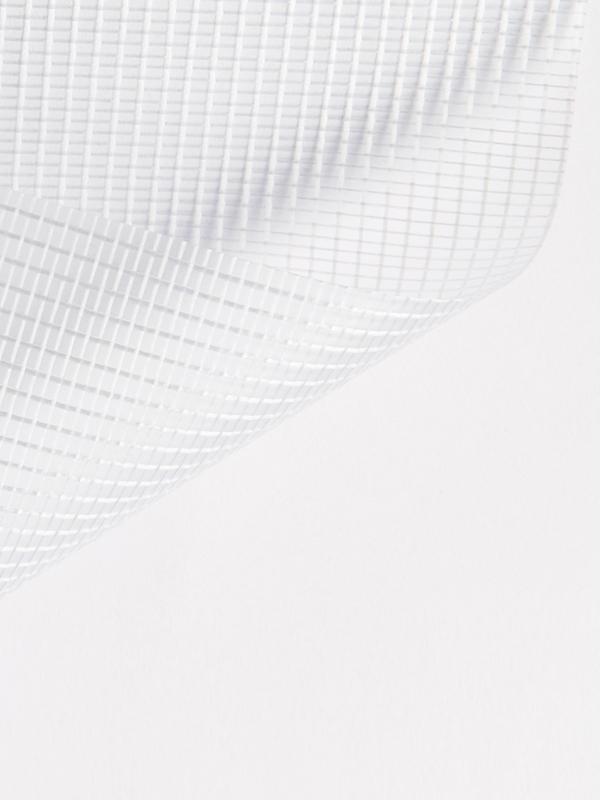
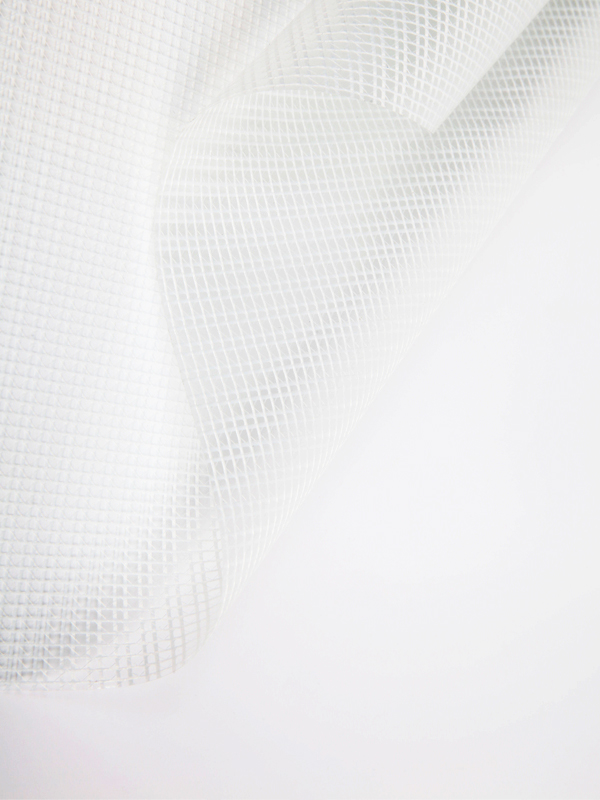
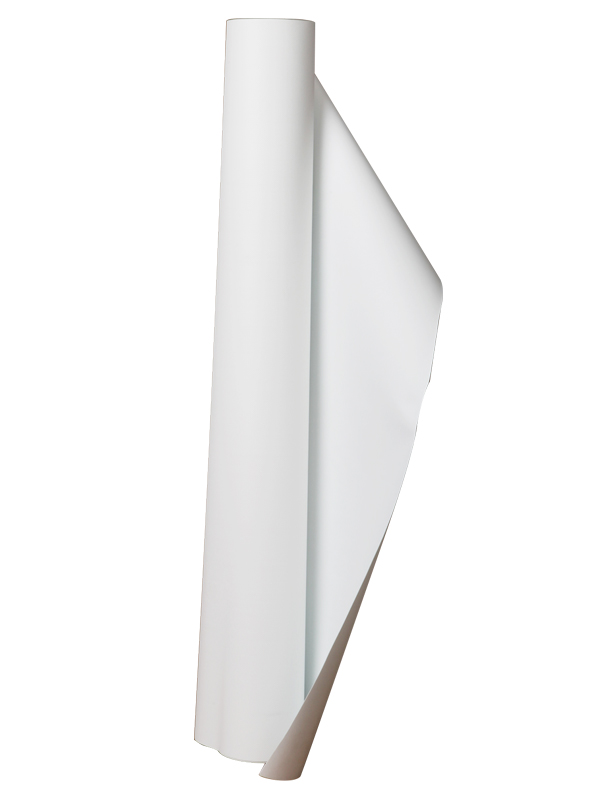 Fiberglass Fabric with PVC Coating for Industrial CoversFire-resistant, waterproof fiberglass fabric with PVC coating for tarpaulins, temporary shelters and protective covers needing heat resistance.View Product →
The way a cover transfers load into its lashing line deserves as much attention as the fabric itself. If you want to go deeper into that subject, we keep a longer note on the load-bearing capacity of PVC tarpaulin fabric in our industry library.
Beyond the Container: Yard, Plant and Shelter Duty
Once a site owns one good cover, the requests tend to multiply. The same coated fabric shows up over stockpiles of aggregate, around scaffolding, over pallet stacks in a yard, and on equipment that has to stand outside for months at a time. These jobs usually need material cut to a shape rather than simply draped, and that is where a fabric with good weldability earns its keep: panels can be joined, hems reinforced and lifting loops added without creating a weak point. Shelter and structure covers for shaded halls, temporary storage or agricultural buildings are close relatives of the container cover, and are normally specified in a slightly heavier grade because they carry wind loading all year round.
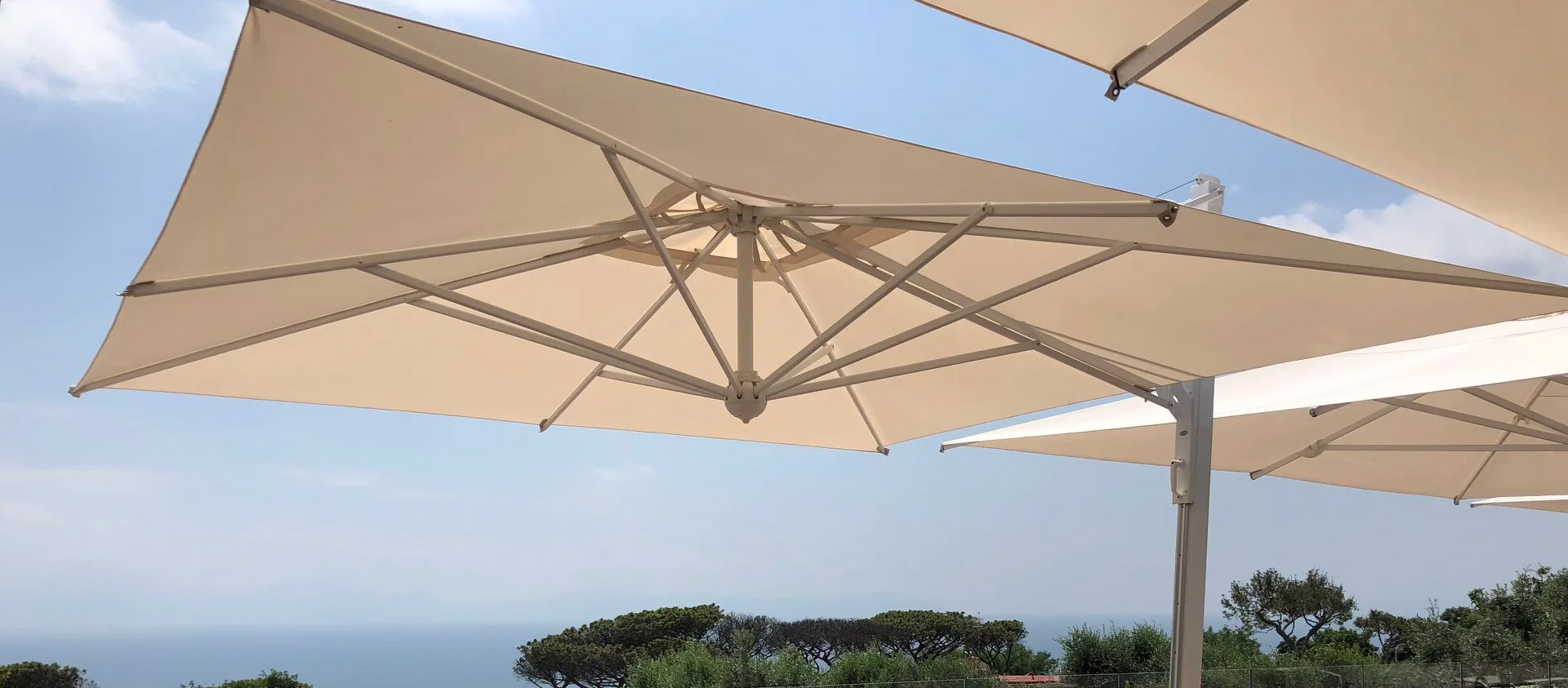
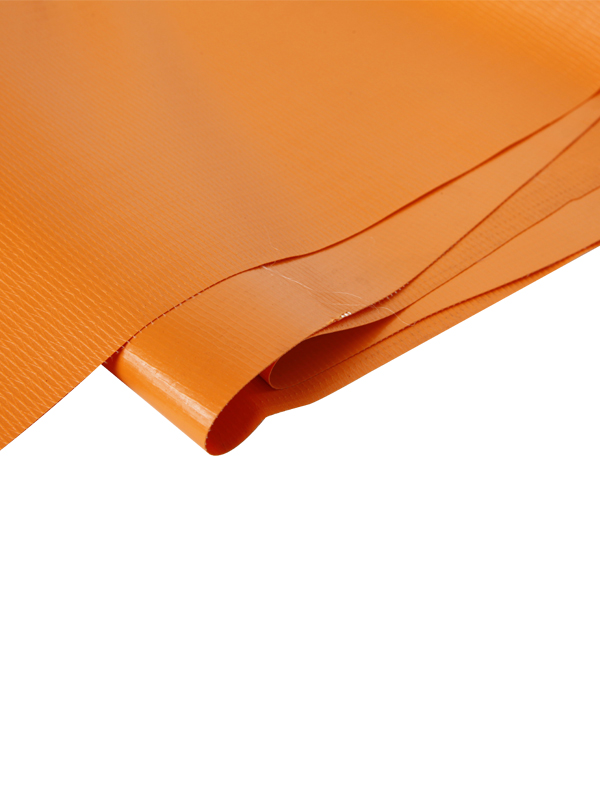 PVC Coated Tent Fabric for Waterproof Covers and StructuresWaterproof PVC-coated tent fabric with mildew, cold and UV resistance, available in large widths for welded outdoor covers.View Product →
Cleaning, Storage and Repair
A cover that is cleaned and folded properly at the end of a season will outlast one that is rolled up wet and forgotten. A few habits make a real difference.
- Rinse with clean water and a mild detergent, then let the sheet dry completely before folding. Trapped moisture is what feeds mildew on the base cloth.
- Avoid solvents, strong alkalis and abrasive brushes, which strip the coating and dull the surface.
- Store rolled or hung rather than folded along the same crease every time; repeated creasing is where cracking starts.
- Keep a piece of the original material and a hand welder or patch kit with the cover, and deal with tears while they are still small.
- Inspect eyelets, hems and rope after each trip. Hardware, not fabric, is usually the first thing to fail.
Choosing a Supplier You Can Call Back
Most container tarpaulin problems are not mysteries; they are questions of grade, coating weight or finishing that a supplier should be able to answer without checking with someone else. It helps to work with a manufacturer who coats the fabric rather than only trading it, because then the conversation about low-temperature flexibility, flame retardancy or a colour match stays inside the same building.
MSD has been calendering and coating flexible PVC materials since 2002, from our base in Haining, Zhejiang, and cargo covers are just one of the many duties our fabrics are asked to perform. A technical team of around 120 people, a factory of 180,000 square metres and export business in more than 70 countries mean that most questions about a tarp have already come up before. You can read more about how our lines and our people work on our about page.
Buying a container tarpaulin is ultimately a small decision with a large consequence attached. Get the weight, the coating and the finishing right, fit it with even tension, and look after it between trips, and the cover will quietly do its job for years. Get it wrong, and the first storm will send the message for you.