 DOWNLOAD
 English
 русский
 Français
 Español
 عربى

Content
- 1 1. Transport and Cargo Protection
- 2 2. Construction Sites and Temporary Weather Protection
- 3 3. Warehouse Partitions and Workshop Curtains
- 4 4. Agriculture, Aquaculture, and Outdoor Storage
- 5 5. Spill Containment and Environmental Protection
- 6 How the Same Tarp Changes Across Applications
- 7 What Buyers Should Confirm Before Ordering
- 8 A Practical Material Choice, Not a Marketing One
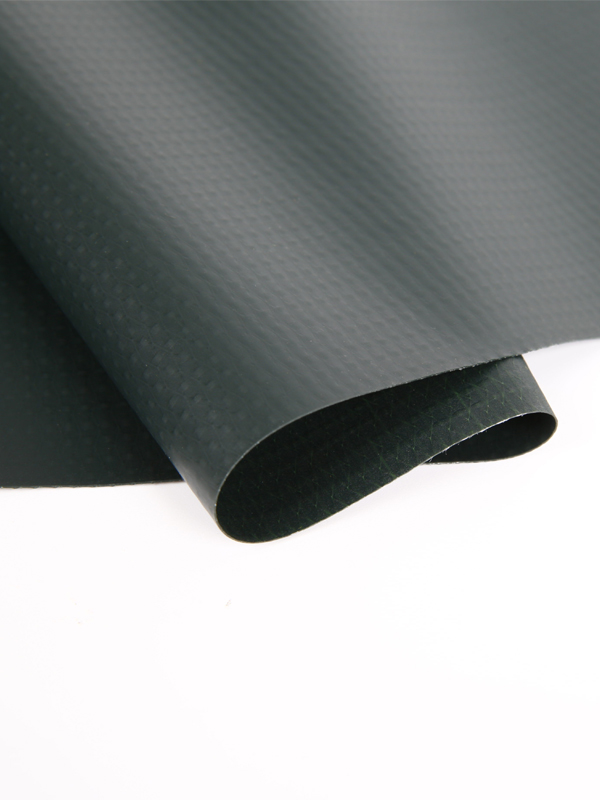
Walk through almost any industrial yard and you will spot them: dark green, grey, or translucent sheets stretched over a truck bed, wrapped around scaffolding, or hanging as a curtain between production bays. Vinyl tarps, more precisely PVC-coated or PVC-laminated fabrics, earn that place because they solve ordinary, repetitive problems day after day. We have been coating and laminating these materials at MSD since 2002, and the same five applications keep returning in customer drawings and sample requests. Here is how we usually walk buyers through them: what the tarp actually does, where it tends to fail, and which material details decide whether it lasts three seasons or ten.
1. Transport and Cargo Protection
Flatbed covers, side curtains, container liners, and dump truck tarps are the most common vinyl tarp products in daily industrial use. Their job sounds simple, but the conditions are not: highway wind, sharp cargo edges, repeated folding, and sun exposure on both sides of the sheet. A tarp that is too light will flap and crack; one that is too stiff becomes difficult for drivers to handle at a loading bay.
For this application we usually look at three things together: base fabric weight, tear strength, and cold-flex behaviour. A 610 to 900 gsm PVC-coated polyester is a common working range for road transport, with welded seams and reinforced hems carrying most of the load. Grommet spacing matters more than most buyers expect, because a poorly placed eyelet concentrates stress and becomes the first point of failure. If the truck operates in winter conditions, ask for a cold-crack test rather than assuming the standard formulation will stay flexible below freezing.
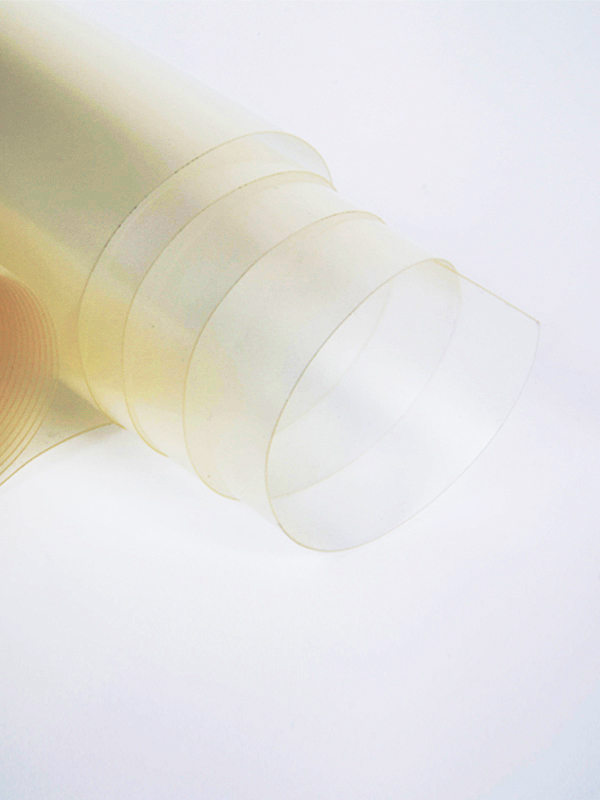
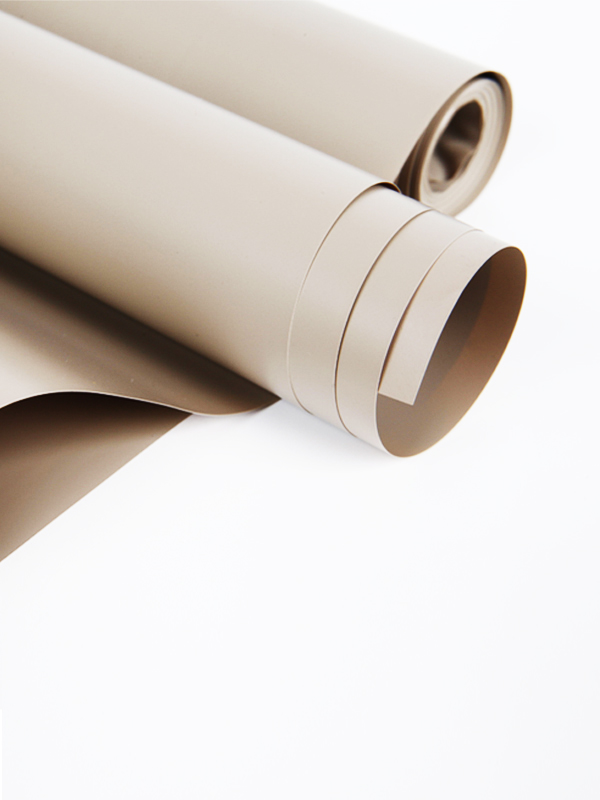
 Custom PVC-Coated Tarpaulin Fabric for Transport and Site CoversHeavy-duty PVC-coated polyester tarpaulin with reinforced weave, weldable seams, and optional finishes for truck curtains, temporary construction covers, and outdoor protection.View Product →
2. Construction Sites and Temporary Weather Protection
Scaffolding enclosures, temporary roofing, ground sheets, and equipment covers all fall into this group. Construction buyers tend to care about two things at once: keeping weather out and keeping the site usable. A translucent or light-coloured PVC sheet can reduce the need for temporary lighting inside a wrapped scaffold, while a heavier blockout fabric is better for privacy, dust control, or protecting fresh concrete from direct sun.
Wind is the real test on a construction site. The tarp itself may be strong, but the fixing pattern, seam direction, and edge reinforcement determine whether it stays intact through a gust. Flame-retardant grades are often requested for enclosed walkways and temporary structures, and they should come with a certificate that matches the local standard rather than a general marketing claim. For architectural and tent applications, we also check weldability, because a seam that fails in the first storm defeats the purpose of the coating.
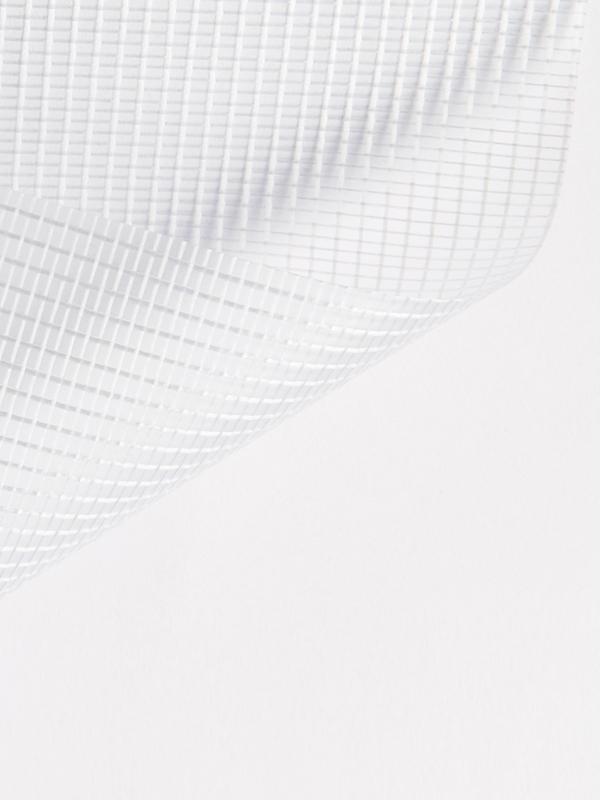
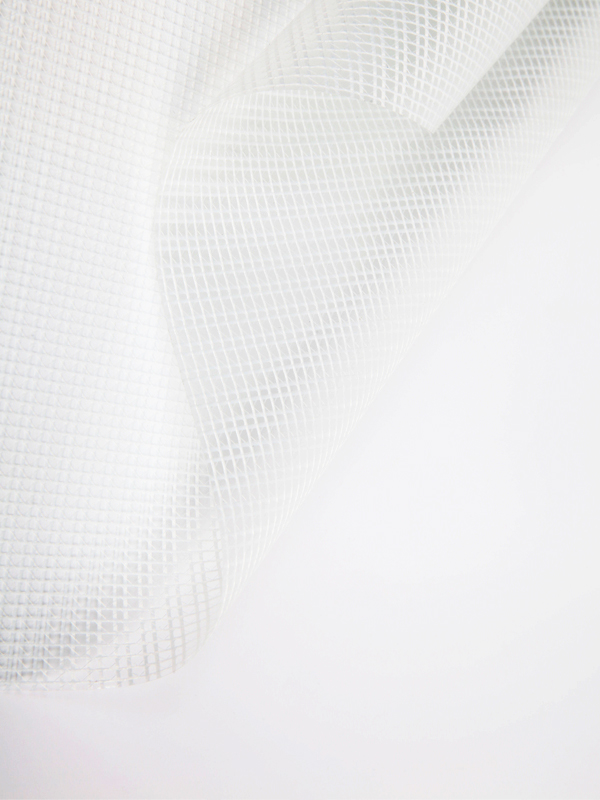
 PVC-Coated Fiberglass Fabric for Fire-Resistant Tarpaulins and TentsWaterproof, fire-resistant fiberglass fabric suited to transport tarpaulins, temporary construction awnings, and protective covers where heat resistance and cleanability matter.View Product →
3. Warehouse Partitions and Workshop Curtains
Inside a plant, vinyl tarps rarely stay outdoors. They become flexible partition walls, welding screens, dust curtains, and temporary enclosures around noisy or dirty processes. The advantage is obvious: a curtain can be moved, rolled up, or reconfigured without building a permanent wall. The trade-off is that indoor tarp design is less about weather resistance and more about hanging behaviour, visibility, and cleanability.
Lighter fabrics in the 380 to 500 gsm range are often easier to suspend on track systems, while still providing enough opacity for separation. Clear PVC panels can be welded into a solid curtain so supervisors can see a production line without opening it. In welding areas, tinted or dark green grades reduce glare, and in food or pharmaceutical spaces, the surface should be smooth enough to wipe down rather than trapping dust in a textured finish. We usually ask how the curtain will be supported before recommending a weight, because the hardware and the fabric have to work as one system.
4. Agriculture, Aquaculture, and Outdoor Storage
Farm and aquaculture operations use vinyl tarps in ways that are easy to overlook until you visit a site: hay and silage covers, grain bunker sheets, greenhouse curtains, pond liners, biofloc tank covers, and windbreaks for livestock. The common thread is long outdoor exposure combined with a need for watertightness. A tarp that sheds rain in October may still fail next summer if the UV package is weak, so stabiliser loading matters as much as thickness.
For pond and tank liners, the conversation turns to fish-safe formulations, seam integrity, and resistance to algae or mild chemical cleaning. For hay covers, puncture resistance against stubble and machinery is more important than appearance. Buyers in this sector often ask for a sample they can fold and leave in the sun for a few weeks, which is a sensible habit. A material that stays flexible after that simple test is usually a better bet than a heavier roll with an unknown formulation.
5. Spill Containment and Environmental Protection
Industrial sites also rely on PVC fabrics for secondary containment, temporary berm liners, decontamination pads, and oil boom fences. These are demanding applications because the tarp may sit in contact with fuels, oils, or mildly aggressive process water. The base fabric is only half the story; the coating formulation and the quality of the welded seam determine whether the containment stays liquid-tight over time.
In oil fence and boom applications, the fabric must remain flexible in cold water, resist UV at the waterline, and hold up to repeated handling during deployment and recovery. For berms and containment pads, we look at hydrostatic pressure, seam orientation, and the way the liner is protected from sharp gravel or metal edges. A common mistake is to specify a heavy fabric but neglect the detailing at corners and outlets, which is usually where leaks begin.
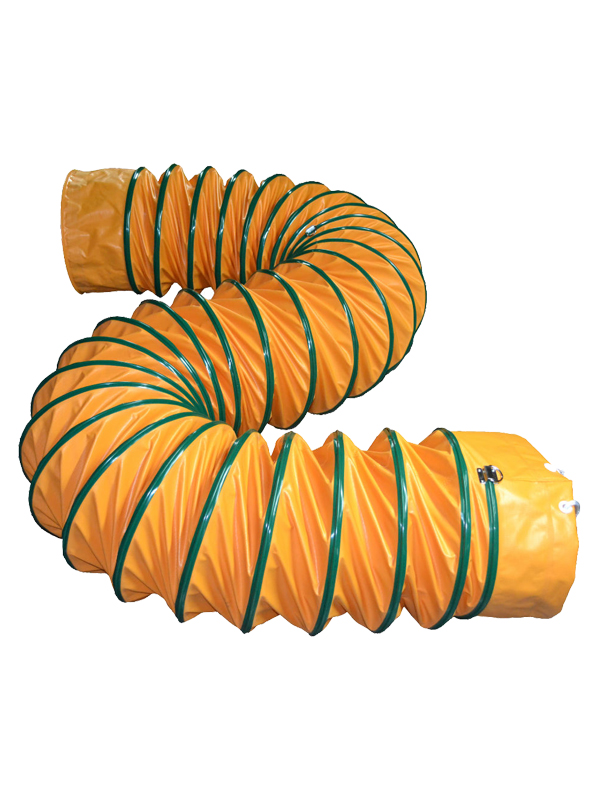
 Custom PVC Oil Fence Fabric for Containment and Boom ApplicationsChemical-resistant PVC fabric with polyester reinforcement and optional UV, mildew, and flame-retardant treatments for oil fence, boom, and containment projects.View Product →
How the Same Tarp Changes Across Applications
Although all five uses involve PVC-coated fabric, the specification shifts quite a lot. The table below is the kind of starting point we use in early discussions, not a fixed rule for every project.
| Application | Typical base weight | Coating focus | What decides service life |
|---|---|---|---|
| Transport covers | 610-900 gsm | Tear strength, cold flex | Seam and grommet detail |
| Construction wraps | 500-800 gsm | UV resistance, flame retardancy | Wind fixing and edge reinforcement |
| Warehouse curtains | 380-500 gsm | Hanging behaviour, cleanability | Track system and weight balance |
| Agriculture and aquaculture | 500-900 gsm | UV package, fish-safe formulation | Puncture resistance and welds |
| Spill containment | 650-1000 gsm | Chemical resistance, flexibility | Seam quality and corner detailing |
What Buyers Should Confirm Before Ordering
When a specification is still on paper, a short checklist saves a lot of rework later. These are the points we confirm with customers before a roll is coated:
- Base fabric type and weight, including the nominal tolerance of the supplier.
- Coating formulation and UV stabiliser package for the expected outdoor life.
- Flame-retardant standard and the certificate that will accompany the shipment.
- Seam method, seam width, and edge finishing, whether welded, hemmed, or reinforced with webbing.
- Cold-flex requirement if the tarp will be used or folded in winter conditions.
- Grommet spacing, hardware type, and reinforcement patches at stress points.
- A physical sample for handling, opacity, and printability checks before mass production.
A Practical Material Choice, Not a Marketing One
Vinyl tarps remain common in industry because they do a straightforward job well: they keep water, wind, dust, and sunlight away from things that need protection, and they can be folded, welded, and repaired without special equipment. The differences between a tarp that lasts and one that fails are rarely dramatic. They sit in fabric weight, coating quality, seam design, and a realistic understanding of how the tarp will be used.
If you are comparing options for a specific site, it helps to talk through the actual conditions rather than choosing by colour or price per square metre. You can read more about our production background on the MSD about page, or contact our team with the dimensions, environment, and handling method, and we will help narrow the specification to something that fits the job.