 DOWNLOAD
 English
 русский
 Français
 Español
 عربى

Outdoor inflatables take a beating. Sun, rain, temperature swings, wind, abrasion—they all pile on. Inflatable boats, floating platforms, rescue gear, advertising structures, recreational products—they need materials that hold their strength and flexibility through all of it. PVC Inflatable Fabric is common for these jobs because it pairs a reinforced textile base with a water-resistant PVC coating. But durability depends on coating formulation, reinforcement, manufacturing quality, maintenance. Get those right and the material handles the outdoors. Get them wrong and you're patching leaks every season.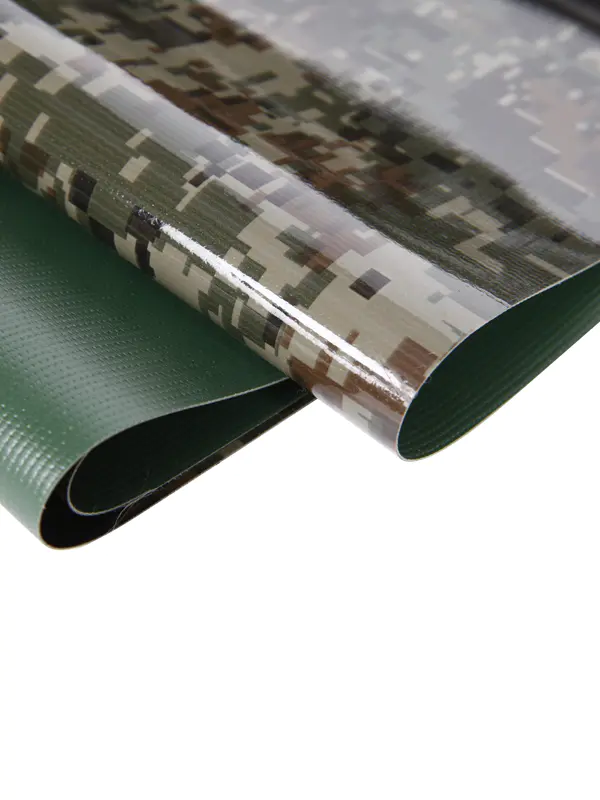
How PVC Inflatable Fabric Resists UV Exposure
UV radiation degrades polymers over time. Fading, surface chalking, cracking, loss of flexibility or mechanical strength—that's what long-term sun exposure does. For inflatables, deterioration can eventually hit seams and raise the risk of air leakage. To improve weather resistance, manufacturers add UV stabilizers and protective pigments to the PVC formulation. These slow the chemical reactions caused by sunlight and reduce coating degradation. A surface finish may add protection, depending on design and compatibility. The textile reinforcement matters too. Polyester fabric is common—tensile strength and dimensional stability—while the PVC coating protects the textile and helps form a sealed surface. If the coating goes brittle or separates from the base fabric, overall performance drops. So evaluate the complete coated fabric, not just PVC content. Color isn't a dependable indicator of UV resistance. Ask for test data for the specific material grade and intended outdoor exposure.
How the Fabric Handles Rain and Moisture
A continuous PVC coating creates a water-resistant barrier over the textile. Rain doesn't penetrate. That makes PVC-coated materials suitable for many outdoor products exposed to wet conditions. But waterproof fabric doesn't guarantee the finished inflatable stays airtight. Seams, valves, fittings, repaired areas—they become leakage points if poorly designed or manufactured. Reliable heat welding or another compatible joining method, consistent production controls, finished-product leak checks—all essential. After use, rinse away salt, mud, other contaminants with fresh water when appropriate. Dry the product per the manufacturer's instructions, especially around folds and fittings. Prolonged damp storage encourages staining and may affect adjacent components, even when the PVC coating itself is water-resistant.
Performance in Temperature Changes, Wind, and Abrasion
Outdoor products see hot surfaces, cold mornings, strong winds, repeated inflation or folding. PVC flexibility depends partly on formulation and plasticizers. Cold conditions stiffen some grades—more vulnerable to damage from sharp folds or rough handling. High temperatures soften the material, and air pressure inside an inflatable can rise. Check the manufacturer's recommended operating and storage temperature ranges. Don't assume a fabric made for a warm-weather promo inflatable suits equipment used in freezing conditions.
Wind and abrasion add demands. Wind loads put repeated tension on seams and anchor points. Sand, concrete, gravel, sharp edges wear the coating. Reinforcement strength, yarn construction, coating thickness, adhesion, design of load-bearing areas—they all affect durability. Proper anchoring, suitable inflation pressure, protection from rough ground—as important as material selection.
| Outdoor challenge | Features to assess | Useful verification |
|---|---|---|
| Intense sunlight | UV stabilizers, pigments, coating durability | Weathering test results and retained strength |
| Rain and splashing | Continuous coating and sealed seams | Waterproofness and finished-product leak checks |
| High or low temperatures | Heat resistance and low-temperature flexibility | Published service-temperature range and cold-flex testing |
| Wind and tension | Reinforcement and seam construction | Tensile, tear, and seam-strength results |
| Rough ground | Abrasion resistance and coating adhesion | Abrasion testing and coating-adhesion data |
Which Tests Help Verify Outdoor Durability?
Visual inspection reveals obvious damage. It can't predict long-term performance on its own. Request current technical data for the exact fabric grade under consideration. Accelerated weathering methods—ISO 4892-3, ASTM G154—expose materials to controlled lab conditions. Results help compare formulations. They shouldn't be translated directly into a guaranteed number of outdoor service years. The exposure cycle and properties measured after testing matter.
Tensile and tear tests show how the reinforced fabric responds to pulling forces and localized damage. Coating-adhesion tests assess how firmly the PVC stays attached to the textile. Waterproofness testing evaluates water penetration through the material. Seam-strength and leak tests assess critical areas of the finished inflatable. No single test establishes suitability for every environment. Compare results against the loads, weather exposure, service requirements of the actual application.
Maintenance Practices That Help Extend Service Life
Good maintenance preserves the coating and makes developing problems easier to spot. Clean with fresh water and a manufacturer-approved cleaner. Avoid aggressive solvents, abrasive tools, unapproved chemicals that damage the surface. Dry the product as directed before storage. Keep it clean, away from unnecessary heat and prolonged direct sunlight. Inspect fabric, welded seams, valves, attachment points regularly. Look for cracks, peeling, punctures, seam separation, unusual changes in flexibility. Follow manufacturer instructions for deflation and folding to reduce stress on repeatedly folded areas. Products used in intense sunlight, saltwater, or commercial settings may need more frequent inspections.
Choosing the Right PVC Inflatable Fabric for Outdoor Use
Start by defining expected UV exposure, rainfall, temperature range, contact surfaces, inflation pressure, frequency of use. Then compare material specs and test reports for the precise grade each supplier offers. Relevant details: fabric thickness, reinforcement, tensile and tear strength, coating adhesion, low-temperature flexibility, compatibility with the intended seam-welding process.
A heavier fabric isn't automatically the right choice for every product. Weight, flexibility, handling, application requirements—consider them together. Confirm test data relates to the supplied material. Ask the manufacturer about limitations on outdoor use. With a suitable formulation, sound construction, verified testing, regular care—PVC Inflatable Fabric can deliver dependable performance across many outdoor applications.