 DOWNLOAD
 English
 русский
 Français
 Español
 عربى

Content
- 1 Don't Choose Thickness by the Number on the Quote
- 2 Think About What the Boat Will Go Through
- 3 What Happens When the Fabric Reaches the Welding Machine?
- 4 Thinner or Thicker: What Are You Actually Gaining?
- 5 Test the Fabric Before Committing to a Large Order
- 6 Questions Worth Asking Your Fabric Supplier
- 7 When Welding Problems Appear, Look Beyond Thickness
- 8 Put the Whole Specification Together
A thicker PVC fabric sounds like a safer choice for an inflatable boat, right? Not always. It might give you extra protection against rubbing and surface damage, but it also adds weight and makes the material harder to handle on the production line. And if the fabric doesn't weld well, that extra thickness won't solve much.
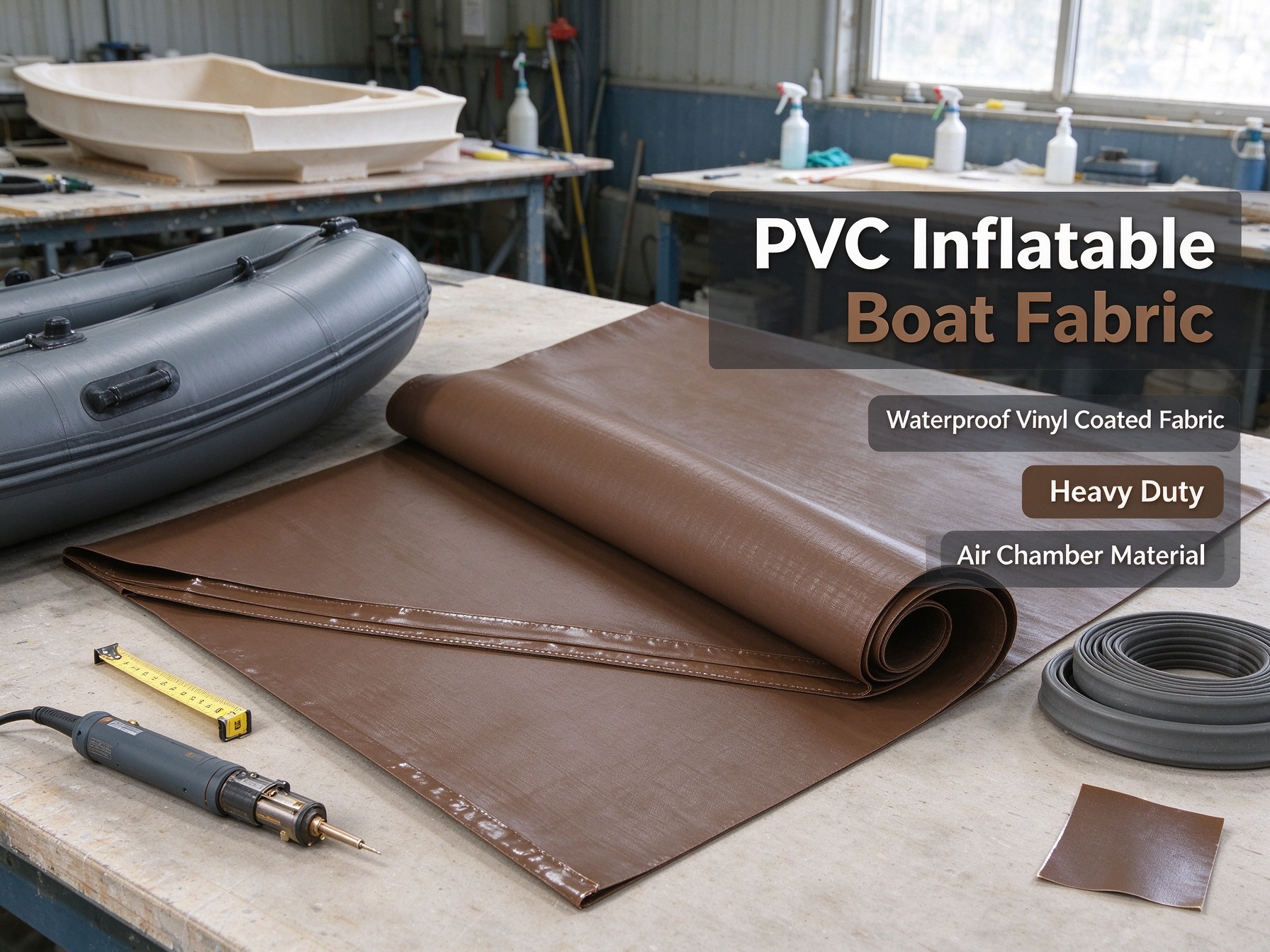
For boat manufacturers, the trick is finding a material that can handle real use without making production unnecessarily difficult. PVC Inflatable Boat Fabric needs to suit the boat, the welding equipment, and the conditions it'll face after leaving the factory. Thickness matters, but it isn't the whole story.
Don't Choose Thickness by the Number on the Quote
When comparing suppliers, it's tempting to look at the thickness figure and assume the higher number means a stronger fabric. The trouble is that the figure doesn't tell you how the material is built.
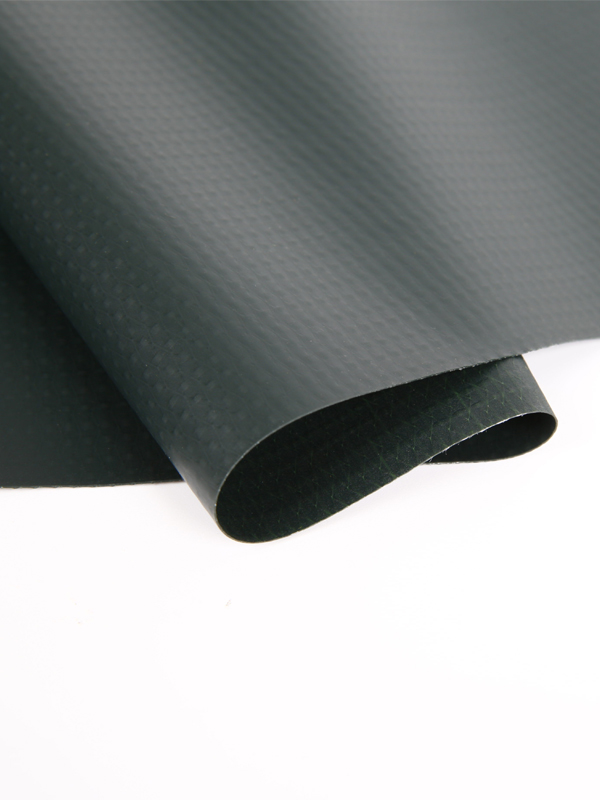
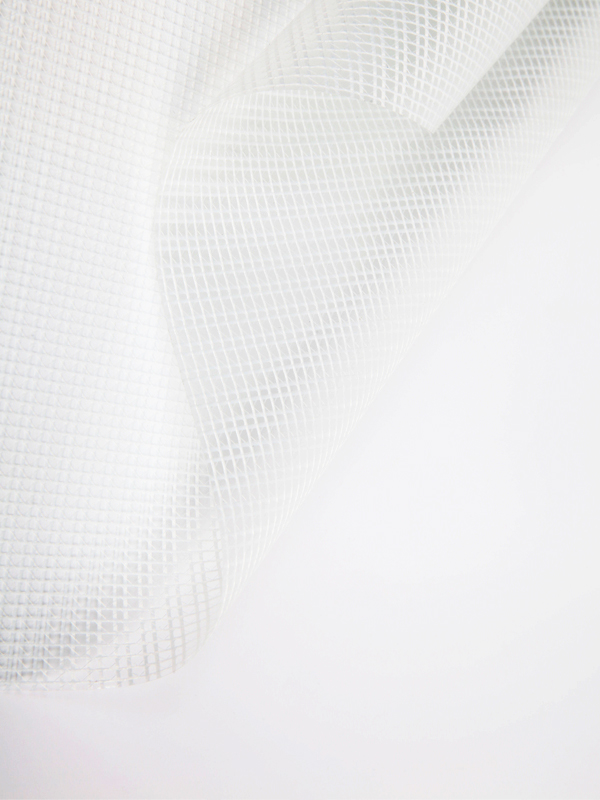
Most PVC inflatable boat fabrics have a woven base, commonly polyester, covered with PVC. The woven fabric provides tensile strength, while the PVC coating helps protect it from moisture, abrasion, and everyday wear. The coating also provides the surface needed for welding compatible sections together.
Now imagine two fabrics that both measure 1.0 mm thick. One has a tightly constructed polyester base and a relatively thin coating. The other has a different reinforcement structure and more PVC. Their measured thickness may be identical, but their strength, flexibility, and behavior during welding can differ.
When comparing materials, look beyond the overall measurement.
| Detail | Why it matters |
|---|---|
| Polyester reinforcement | Affects tensile strength, tear resistance, and dimensional stability |
| PVC coating | Helps protect the base fabric and provides a weldable surface |
| PVC formulation | Influences flexibility, aging, and processing behavior |
| Surface finish | Can affect handling and contact during welding |
| Thickness tolerance | Shows how much the actual material may vary from the stated value |
Ask the supplier how thickness is measured, too. If two manufacturers use different measurement methods, their figures may not be directly comparable.
The aim isn't to find the thickest fabric on the market. It's to find a construction that does the job without adding unnecessary weight or creating problems during fabrication.
Think About What the Boat Will Go Through
A boat used occasionally on calm water has a different working life from one that gets dragged across a rough beach every day. That difference should guide material selection.
For a lightweight recreational boat, easy folding and storage may matter a lot. Owners might keep the boat in a car, carry it to the water, then fold it away after use. If the fabric is too stiff or heavy for the design, handling becomes a nuisance.
Fishing boats face a different set of conditions. Fishing gear, equipment, gravel, and repeated contact with the shore can wear down the outer surface. In this case, abrasion resistance and reinforcement deserve particular attention, especially around areas that regularly touch the ground.
Commercial and work-related boats may experience frequent loading, launching, and handling. Buyers should consider the expected loads, operating conditions, and consequences of material failure, then check the relevant design and performance requirements.
A few practical examples make the trade-off clearer:
- Occasional recreational use: A flexible construction may be easier to fold and transport, provided it meets the boat's strength requirements.
- Regular fishing trips: The coating and reinforcement need to handle repeated contact with equipment and rough surfaces.
- Frequent commercial use: Material selection should be based on verified performance data and the demands of the complete boat design.
Don't assume that thicker fabric automatically handles all these conditions better. A thicker PVC layer may help with surface wear, but it cannot make up for weak reinforcement or unsuitable material construction.
What Happens When the Fabric Reaches the Welding Machine?
This is where thickness starts to affect manufacturing directly.
PVC inflatable boats commonly use high-frequency welding or hot-air welding. The method depends on the fabric construction, seam design, and available equipment. Both processes need suitable material surfaces and controlled conditions to create reliable joints.
A thicker fabric may respond differently to heat than a thinner one. The coating and reinforcement affect how heat reaches the bonding surfaces, so the welding settings used for one material may not work well for another.
Manufacturers can run into several problems:
- The seam won't bond evenly. If the material doesn't sit flat against the welding surface, or pressure is uneven, some areas may not join properly. Fabric stiffness can make positioning more difficult around curved chambers and narrow sections.
- The coating gets damaged. Applying too much heat or holding the material under heat for too long may damage the PVC. Turning up the settings isn't necessarily the answer when a seam fails.
- The seam looks fine but doesn't hold up. Appearance alone cannot confirm that a joint has enough strength or will maintain the required air retention. The finished seam needs to be checked against the product's requirements.
This is why switching to a thicker fabric shouldn't be treated as a simple material substitution. Even when the new fabric has the same nominal specifications apart from thickness, changes in coating formulation or reinforcement can affect how it welds.
Run trials with the actual fabric on the equipment used for production. Test the seams, adjust the process where needed, and record the settings that produce acceptable results. That gives the team a reliable starting point when production begins.
Thinner or Thicker: What Are You Actually Gaining?
Neither option is automatically right for every inflatable boat. The useful comparison is what you gain from extra thickness and what it costs you in weight, flexibility, and production effort.
| Factor | Thinner fabric | Thicker fabric |
|---|---|---|
| Boat weight | Can help keep overall weight down | Usually adds weight when other factors are similar |
| Handling | Often easier to fold and position | May be stiffer, depending on construction |
| Surface protection | Depends on coating and reinforcement | Extra material may help resist abrasion |
| Welding | May respond more quickly to heat | May need different welding settings |
| Complex shapes | May be easier to handle around curves | Can take more effort to position |
| Main concern | Whether strength and protection are sufficient | Whether the extra weight and cost are justified |
These are general tendencies, not guarantees. A thinner fabric with suitable reinforcement may perform well for its intended application. A thicker fabric can still have weak coating adhesion or produce unreliable seams if its construction and processing conditions aren't suitable.
There's another detail worth considering: the complete boat design. Seam placement, chamber layout, valve locations, and reinforcement patches affect how the material is assembled and how loads are distributed.
If you're changing thickness to solve one particular problem, make sure thickness is actually the cause. A boat suffering from a damaged coating may need a different formulation. A seam that keeps failing may need attention to the welding process. Simply adding more material could increase costs without fixing the issue.
Test the Fabric Before Committing to a Large Order
A specification sheet gives you a useful starting point, but it can't show you everything about how a fabric will behave on your production line. That's where sample testing earns its place.
Ask the supplier for material from the construction intended for your order. Then have your production team work with it using the actual equipment and seam designs.
During the trial, pay attention to a few things:
- Handling: Can workers position and fold the material without excessive effort? Does it behave as expected around curves and corners?
- Welding: Can the machine produce consistent seams using suitable settings?
- Seam strength: Do the finished joints meet the agreed strength requirements?
- Air retention: Does the assembled chamber maintain pressure under the specified test conditions?
- Surface condition: Does the material show overheating, coating damage, or other defects after processing?
A flat welding sample is useful, but it may not tell the whole story. A seam around a valve or curved chamber can behave differently, so include representative parts of the boat where practical.
Don't rely on visual inspection alone. A seam can look neat but still fail a strength or leakage test. The appropriate tests depend on the boat design and the requirements the finished product must meet.
If the sample performs well, record the fabric specification and approved welding settings. When the next batch arrives, those records provide something concrete to compare against.
Questions Worth Asking Your Fabric Supplier
You don't need a complicated questionnaire, but you do need answers to the questions that affect your production.
Ask the supplier for the nominal thickness and tolerance, details of the reinforcement and PVC coating, and available data on tensile strength, tear resistance, and coating adhesion.
If the boat will spend considerable time outdoors, ask about relevant weathering tests. If welding problems are a concern, explain which welding method you use and request samples suitable for a production trial.
It also helps to clarify whether the supplier will notify you about changes to the material construction. A replacement coating or reinforcement may affect the way the fabric handles and welds, even if the stated thickness stays the same.
For repeat orders, keep the approved sample and specifications on file. That makes it easier to identify changes before they cause trouble on the production line.
When Welding Problems Appear, Look Beyond Thickness
Suppose the seams start failing after the factory switches to a new roll of fabric. It's easy to blame the thickness, particularly if the replacement material is heavier.
But several things could be responsible. The new coating may behave differently under heat. The material may be harder to position. The existing welding parameters may no longer suit the construction.
Start by checking the material batch and confirming that it matches the approved specification. Then review the welding settings, contact surfaces, pressure distribution, and alignment. Make trial seams and test the results before returning to full production.
If the fabric itself has changed, the team may need to adjust the process or reconsider whether the material is suitable. If the settings are responsible, correcting them may solve the problem without changing the fabric.
Keep a record of the investigation and the result. Otherwise, the same issue can turn up on the next production run, and someone will have to start guessing all over again.
Put the Whole Specification Together
PVC inflatable boat fabric thickness is only one part of material selection. Reinforcement, coating quality, strength, weather resistance, and welding behavior all affect how the finished boat performs.
Before placing a bulk order, make sure the thickness and tolerance are clear, the material construction is documented, and the available test data fits the intended application. Most importantly, check that the fabric can be welded consistently on the equipment used to manufacture the boat.
The goal isn't to buy the heaviest material available. It's to choose fabric that handles the expected use, remains practical to fold and assemble, and produces reliable seams. That balance is what makes a material worth buying.