 DOWNLOAD
 English
 русский
 Français
 Español
 عربى

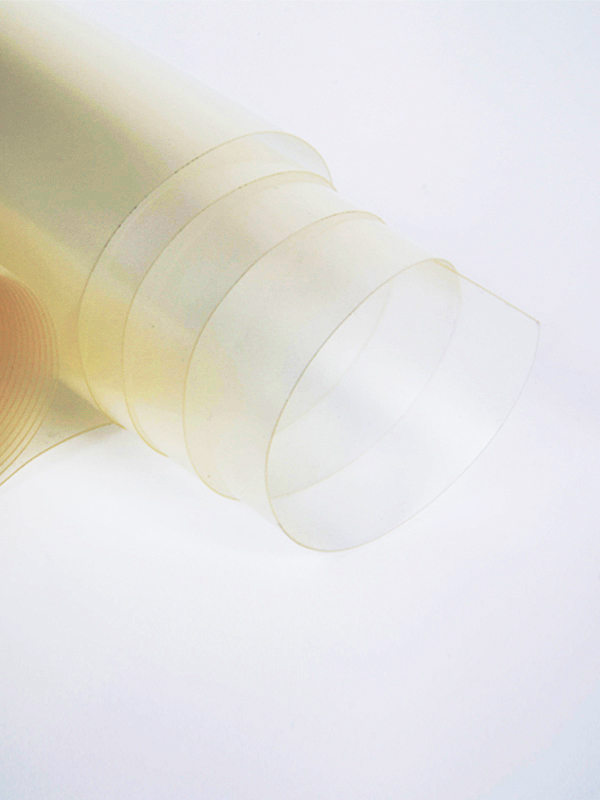
Precision instruments need solid protection when you store them, move them, or ship them. Measuring devices, optics, sensors, lab equipment—they can get scratched, dusty, damp, or knocked around. Even a small scratch or a bit of contamination can mess with appearance, calibration, or how well the thing works. TPU film applications give you a flexible option for certain surfaces and packaging systems. Thermoplastic polyurethane (TPU) film is stretchy, resists abrasion, and conforms to complex shapes. Applied correctly, it can reduce surface damage and make handling safer through the supply chain. But TPU film isn't a universal barrier. How well it works depends on thickness, formulation, adhesive compatibility, environmental conditions, and whatever risks pop up during transport.
Why Precision Instruments Need Specialized Surface Protection
Precision instruments often mix sensitive surfaces with complex structures. Optical lenses, polished metal housings, display panels, coated parts—these can get damaged by contact with packaging, tools, or nearby products. Common risks during storage and transport:
- Surface scratches: friction between parts or contact with hard packaging can hurt finishes.
- Dust and contamination: airborne particles settle on optics, connectors, and precision interfaces.
- Moisture exposure: condensation and humid storage can affect sensitive components and packaging.
- Handling damage: repeated loading, unloading, and repositioning cause abrasion or localized pressure.
- Packaging movement: poorly secured instruments shift and hit surrounding surfaces.
To pick the right protective material, figure out which risks are likely to affect your instrument. TPU film can help with surface-contact hazards. But you may still need other packaging parts for impact, vibration, and moisture.
How TPU Film Applications Reduce Surface Scratches
One common use of TPU film is protecting exposed surfaces from abrasion and accidental contact. TPU mixes flexibility with mechanical resilience, so suitable grades conform to curved housings, edges, and selected surfaces. The film acts as a sacrificial layer that takes minor contact and keeps the finish underneath intact. For instance, protective TPU film might go on instrument housings, coated panels, or non-optical exterior surfaces during manufacturing and shipment. After transport, removable film can be peeled off following the manufacturer's instructions. Protection level depends on thickness, hardness, surface properties, and abrasion resistance. A film meant for general handling might not hold up against sharp objects or concentrated pressure. For optical instruments, check whether the film is approved for that specific optical surface. Adhesive residue, haze, surface tension, or material incompatibility can affect optical performance. So don't just slap general-purpose TPU film on lenses or precision coatings.
TPU Film Helps Protect Complex Shapes During Handling
Precision equipment often has irregular contours, narrow edges, recessed areas, or curved housings. Rigid covers may leave spots exposed or need extra parts to fit securely. TPU film can handle many of these shapes because it's flexible and recovers elastically. Depending on the grade and application method, it can cover selected surfaces with limited bulk and stay in contact during routine handling. That's handy for instruments needing compact packaging or decorative finishes that must stay clean. But you have to control the application. Wrinkles, trapped particles, too much stretching, or rough edges can reduce protection and make removal harder. Clean surfaces and proper installation matter for consistent results.
How TPU Film Supports Protection Against Moisture and Contamination
Some TPU films give useful resistance to water and certain contaminants. When applied as part of a suitable protective system, they can limit direct contact between instrument surfaces and outside moisture or dirt. Actual barrier performance depends on TPU formulation, thickness, seams, edge coverage, and adhesive system. A film covering one surface doesn't make the whole instrument waterproof or airtight. For long-term storage, you might need sealed bags, desiccants, humidity indicators, and moisture-barrier materials. These matter especially for instruments with sensitive electronics or corrosion-prone parts. It's also important to tell water resistance apart from water-vapor barrier performance. A film may resist liquid water while still letting some moisture vapor through.
Choosing the Right TPU Film for Precision Instruments
Different instruments need different protection. Picking film only by thickness or price can lead to poor performance or unnecessary cost.
| Application Requirement | TPU Film Property to Evaluate | Important Consideration |
|---|---|---|
| Scratch protection | Abrasion resistance and surface hardness | Match protection to the instrument's finish |
| Curved housings | Flexibility and elastic recovery | Confirm that the film conforms without lifting |
| Clean removal | Adhesive strength and residue performance | Test after the intended storage period |
| Moisture exposure | Water resistance and vapor transmission | Consider the complete packaging system |
| Sensitive surfaces | Chemical compatibility and low-residue behavior | Test on representative materials |
| Extended storage | Aging and adhesive stability | Evaluate temperature, humidity, and storage duration |
For industrial buyers, supplier documentation should spell out film specs, adhesive characteristics where applicable, recommended application conditions, and relevant test results.
Testing TPU Film Before Large-Scale Use
A film that does well in a short trial may behave differently after weeks or months of storage. So validation should reflect the instrument's actual storage and transport conditions. A practical evaluation can include:
- Adhesion and removal testing: Check whether the film stays put during handling and can be removed without damaging the substrate or leaving unacceptable residue.
- Abrasion testing: Assess whether the film gives suitable protection against the expected surface contact.
- Environmental conditioning: Expose samples to specified temperature and humidity to evaluate changes in adhesion, flexibility, and appearance.
- Packaging simulation: Assess whether the film stays effective during handling, vibration, and transport. Protective film should be evaluated alongside cushioning and restraints.
- Compatibility testing: Check for discoloration, coating damage, chemical interaction, or other unwanted changes on the actual instrument materials.
Test procedures and acceptance criteria should be defined before evaluation. For high-value instruments, quality engineers may also need to review prolonged contact between film adhesive and sensitive coatings.
Combining TPU Film With a Complete Packaging Strategy
TPU film works well when its role in the packaging system is clear. It can protect selected surfaces from scratches and contamination, but it doesn't replace cushioning, structural support, or environmental controls. A complete strategy might combine TPU surface film with foam inserts, molded trays, protective caps, rigid outer cartons, and moisture-control packaging. The exact setup depends on instrument weight, fragility, shipping duration, and expected handling. Manufacturers should also set clear procedures for film application, inspection, storage, and removal. Consistent practices help prevent contamination during application and reduce damage during unpacking.
Improving Instrument Protection With the Right TPU Film Applications
TPU film applications can improve protection for precision instruments by reducing surface abrasion, accommodating complex shapes, and limiting direct contact with dust and moisture. How well they work depends on selecting a suitable film grade and validating its performance against real storage and transport conditions. For manufacturers and procurement teams, a practical approach is to assess vulnerable surfaces, confirm material compatibility, and test the complete protection system before production-scale implementation. This helps preserve product condition, reduce avoidable shipping damage, and maintain consistent quality throughout the supply chain.