 DOWNLOAD
 English
 русский
 Français
 Español
 عربى

Content
- 1 How Does a PVC Mesh Banner Handle Wind?
- 2 Why Does a Solid PVC Banner Catch More Wind?
- 3 PVC Mesh Banner vs Solid PVC Banner: What Are the Main Differences?
- 4 Why Banner Size Makes Such a Big Difference
- 5 How Mesh Opening Ratio Affects Wind Performance
- 6 Does Solid PVC Provide Better Print Quality?
- 7 How Reinforced Edges Affect Outdoor Banner Performance
- 8 Can a PVC Mesh Banner Still Be Damaged by Strong Wind?
- 9 When Does Solid PVC Make More Sense?
- 10 When Is PVC Mesh Banner a Better Fit?
- 11 How Climate Changes the Material Choice
- 12 What Should B2B Buyers Ask a Banner Manufacturer?
- 13 How to Choose Between PVC Mesh Banner and Solid PVC Banner
Wind is one of the main factors to consider when choosing an outdoor banner. A sign installed on a sheltered storefront may have little trouble with normal weather, while a large banner fixed to a building, construction fence, or event structure can face strong gusts and constant movement.
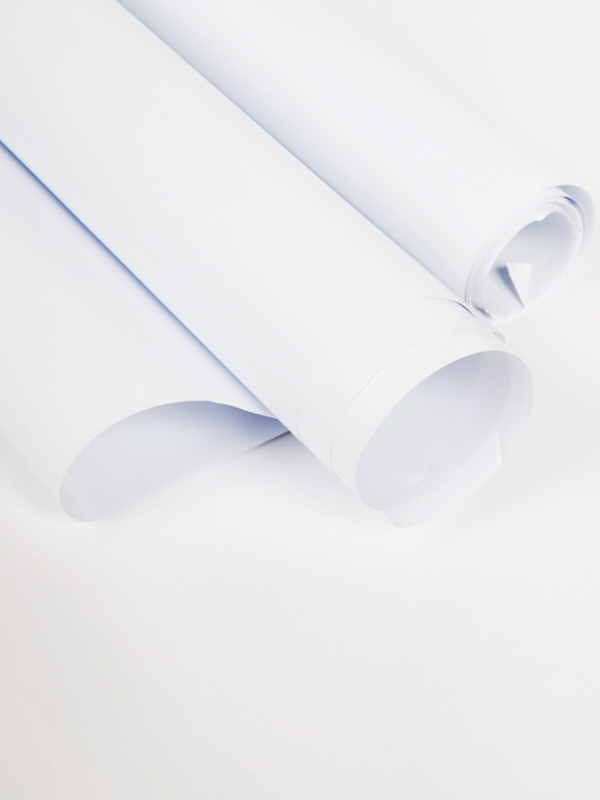
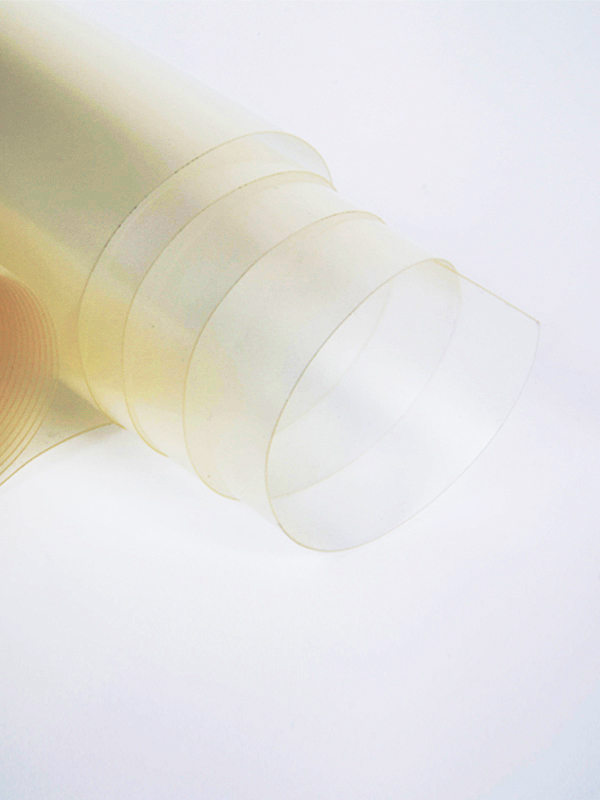
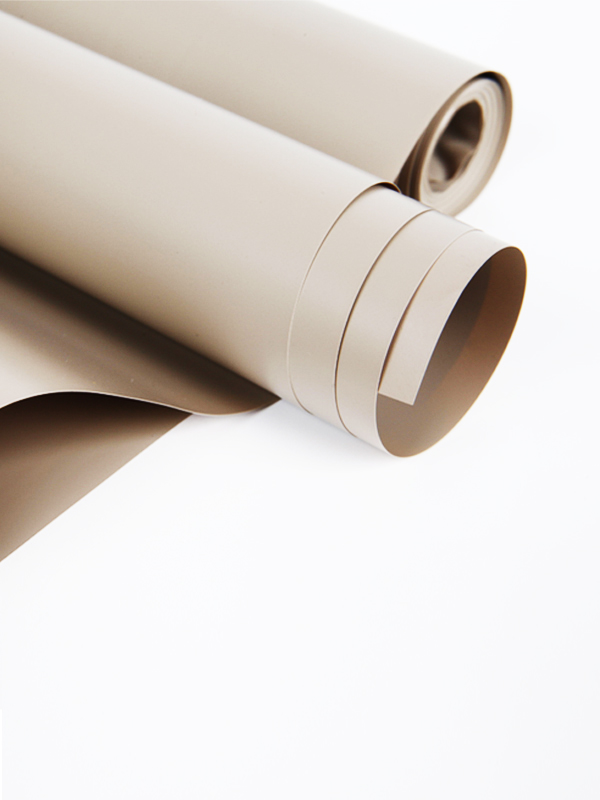
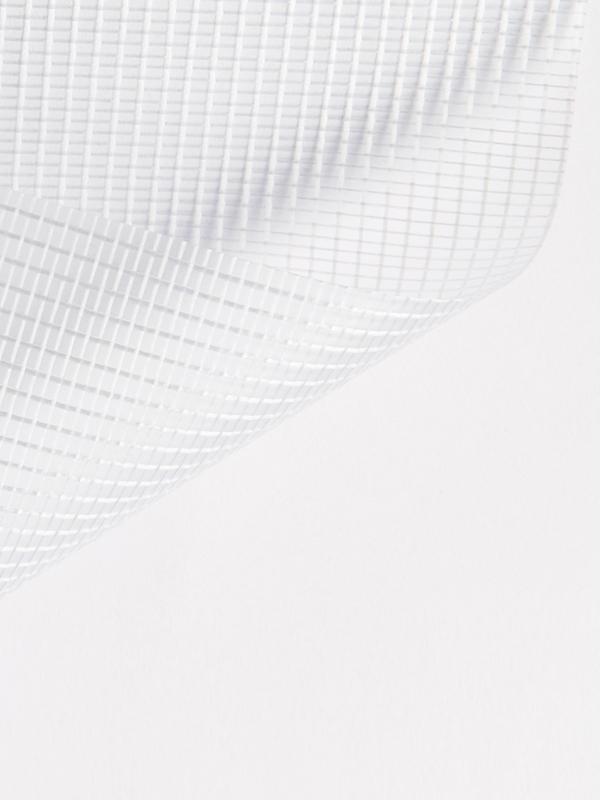
This is why the choice between a PVC Mesh Banner and a solid PVC banner deserves some attention. Both materials are widely used for outdoor graphics, but they handle airflow differently. Mesh PVC contains small openings that allow air to pass through the material. Solid PVC has a continuous surface that blocks of the airflow.
For sign manufacturers, distributors, advertising companies, contractors, and other B2B buyers, the better material depends on the installation. Wind exposure, banner size, mounting method, print requirements, and expected service life all need to be considered together.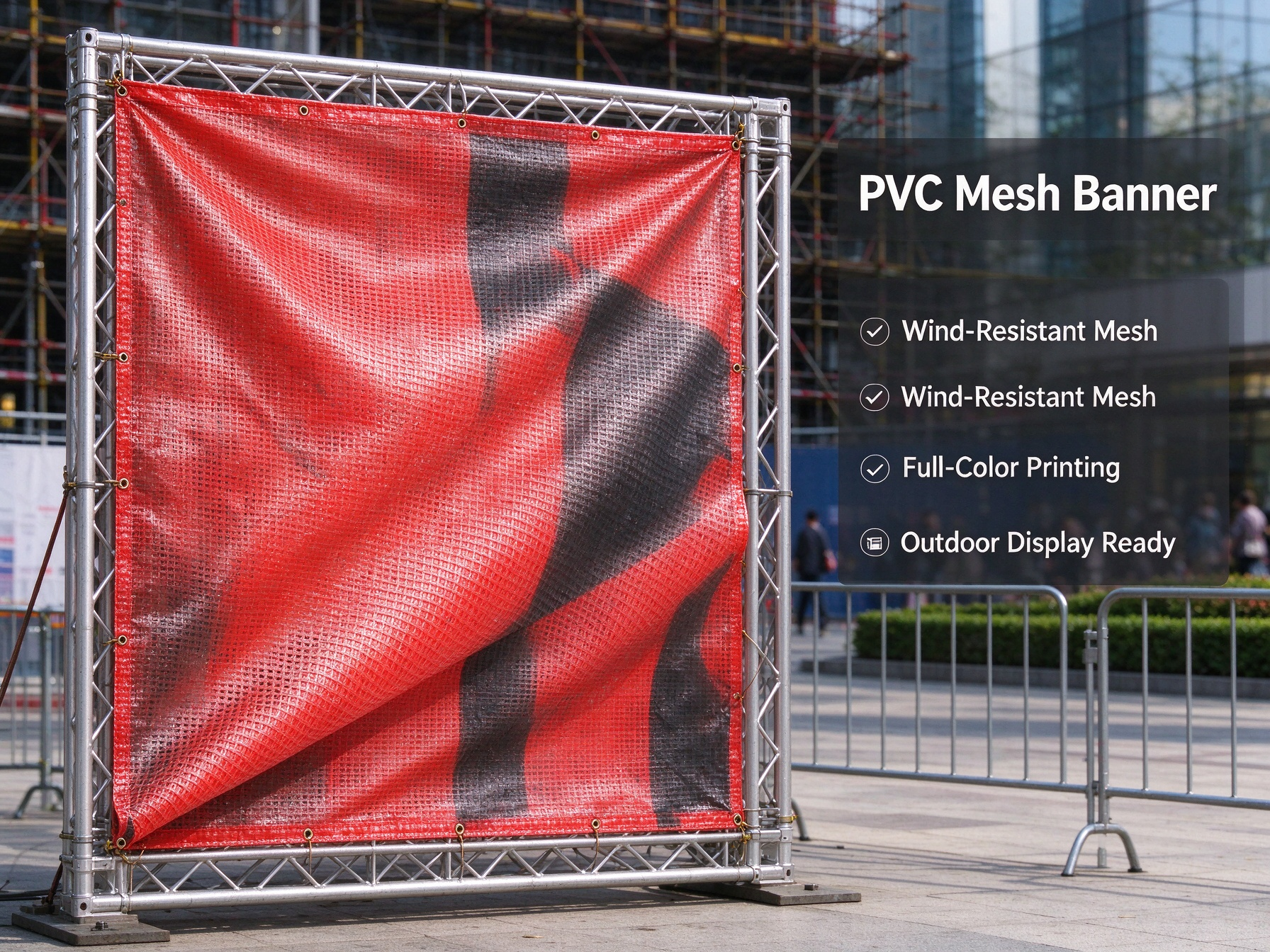
How Does a PVC Mesh Banner Handle Wind?
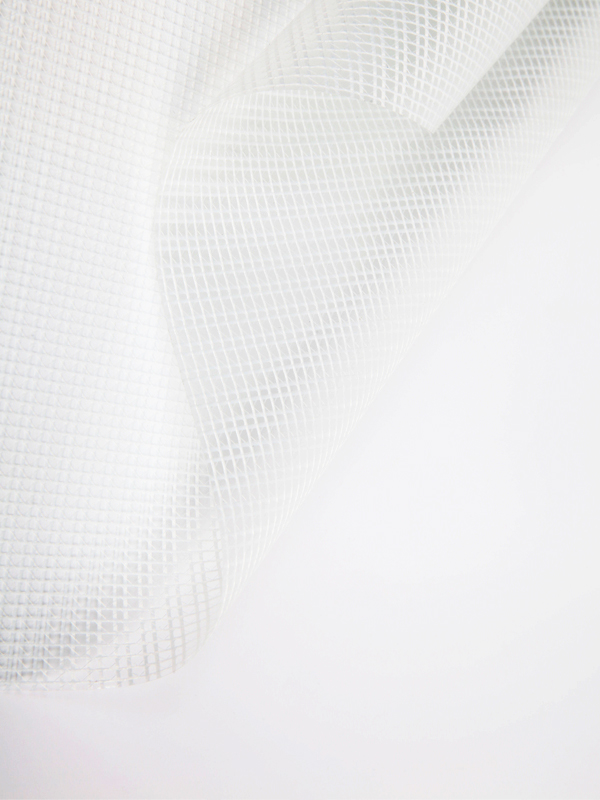
The main advantage of a PVC Mesh Banner comes from its perforated construction. When wind reaches the banner, some of the air can move through the openings instead of pushing entirely against a solid surface.
This can reduce wind pressure compared with a solid banner of the same size, although the actual effect depends on the mesh opening ratio, material construction, banner dimensions, installation height, and weather conditions.
That makes mesh particularly useful for large outdoor graphics where airflow is a concern. It is commonly considered for building wraps, scaffolding, construction fencing, stadium advertising, and other exposed installations.
Still, mesh should not be treated as windproof material. A very large banner installed high above the ground can experience substantial forces even when it has an open structure. The frame and attachment system remain important.
Why Does a Solid PVC Banner Catch More Wind?
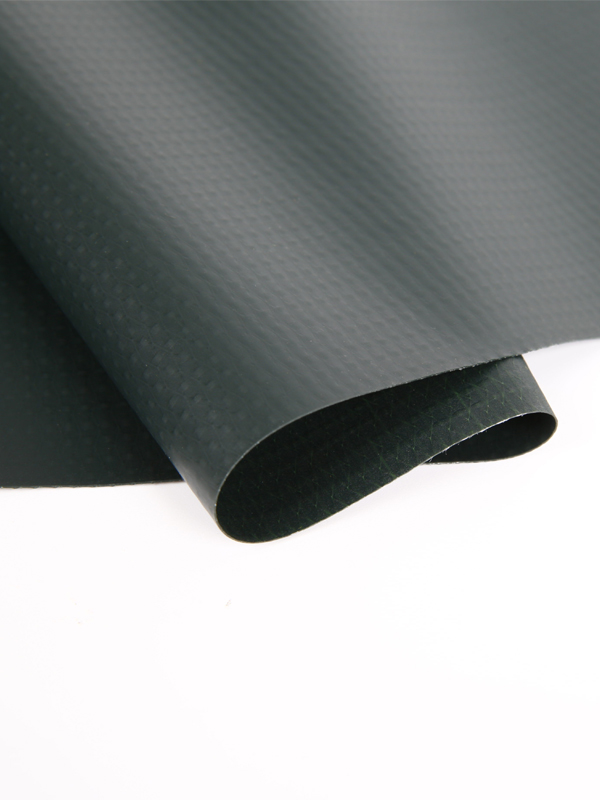
A solid PVC banner creates a continuous surface. When wind hits it, there are fewer paths for the air to pass through the material.
This can create higher pressure on the banner and its mounting points. As the banner becomes larger, the potential force on the installation also increases.
That does not mean solid PVC is unsuitable for outdoor applications. It is commonly used for retail advertising, event signage, fence graphics, building signs, and temporary promotions.
The key is matching the banner to its location.
A small solid banner installed close to the ground in a sheltered area may perform well. A large solid banner mounted on an exposed building needs more careful consideration of wind load and structural support.
PVC Mesh Banner vs Solid PVC Banner: What Are the Main Differences?
The two materials can both produce large-format graphics, but their practical characteristics are different.
| Factor | PVC Mesh Banner | Solid PVC Banner |
|---|---|---|
| Airflow | Air passes through the openings | Limited airflow through the material |
| Wind load | Generally lower for the same area | Generally higher |
| Graphic surface | Perforated appearance | Continuous surface |
| Large outdoor graphics | Well suited to many exposed locations | Requires suitable structural support |
| Close viewing | Mesh pattern may be visible | Smoother visual appearance |
| Privacy | Depends on mesh construction | Higher visual blocking |
| Typical applications | Building wraps, scaffolding, fences | Signs, backdrops, promotions |
| Material selection | Open ratio is important | Thickness and weight are important |
These are general characteristics. Actual performance should always be based on the manufacturer's specifications and the conditions of the installation.
Why Banner Size Makes Such a Big Difference
A common mistake is to focus on material strength without considering the overall size of the banner.
Wind acts across the exposed area. A small sign and a 10-meter-wide building banner obviously do not face the same conditions.
Large banners can also put more stress on their edges and attachment points. If a banner is mounted with eyelets, ropes, cables, or other hardware, wind forces are transferred through those points into the supporting structure.
The complete system can be viewed as:
Wind → banner surface → reinforced edges → attachment points → frame or structure
If the attachment system is weak, choosing a stronger banner material may not solve the problem.
This is particularly important for construction-site graphics and building wraps, where the banner can cover a very large area.
How Mesh Opening Ratio Affects Wind Performance
A PVC mesh product is not defined simply by the word “mesh.” Different materials can have different opening ratios and constructions.
A more open mesh generally provides more space for airflow. A tighter mesh has more solid material across the surface, which can improve graphic coverage but may change its wind behavior.
For B2B buyers, it is worth checking the actual technical specification before comparing products.
Important details can include:
- Mesh opening ratio
- Material weight
- Thickness
- Tensile strength
- Tear strength
- Printing compatibility
- Available widths
- Finishing options
Two suppliers may both offer mesh banners while providing materials with noticeably different structures. Comparing the actual specifications makes the purchasing decision more meaningful.
Does Solid PVC Provide Better Print Quality?
Solid PVC has one obvious advantage for graphics: its surface is continuous.
There are no perforations interrupting the printed area, so detailed logos, small text, photographs, and solid colors can have a clean appearance. This can be useful when the banner will be viewed from relatively close range.
Mesh PVC can also carry detailed graphics, but the perforated structure changes how the image is perceived. At a normal viewing distance, a large mesh graphic can look clear. When viewed closely, the openings are easier to notice.
For that reason, viewing distance should be considered alongside wind exposure.
A large building graphic viewed from across a street has different requirements from a small promotional banner placed next to a store entrance.
How Reinforced Edges Affect Outdoor Banner Performance
Wind does not only affect the middle of a banner. The edges, seams, and attachment points can receive considerable stress.
A properly reinforced edge helps distribute that force. Depending on the product and installation, manufacturers may use welded hems, sewn hems, webbing, ropes, or other reinforcement methods.
Eyelet quality and spacing are also important. An eyelet installed into a weak edge can become a failure point even when the main banner material has good tear strength.
For large outdoor projects, buyers should ask how the banner will be finished, not just which PVC material will be used.
A supplier should also be given information about the intended installation. Banner dimensions, mounting orientation, attachment spacing, and expected exposure can all affect the appropriate finishing method.
Can a PVC Mesh Banner Still Be Damaged by Strong Wind?
Yes. Mesh reduces the amount of solid surface exposed to airflow, but it does not remove mechanical stress.
A mesh banner can still tear, stretch, or pull away from its mounting points if the weather exceeds the conditions for which the installation was designed.
Problems can also occur because of poor installation. Loose mounting, damaged eyelets, inadequate reinforcement, or a weak supporting frame can reduce service life.
For permanent or very large installations, wind-load calculations may need to be handled by a qualified structural or engineering professional. The banner manufacturer can provide material data, but the safety of the supporting structure depends on the complete installation.
When Does Solid PVC Make More Sense?
Solid PVC remains a practical option when wind exposure is relatively limited or when a continuous graphic surface is important.
Typical situations include:
- Small outdoor banners
- Sheltered storefronts
- Indoor or semi-enclosed displays
- Temporary promotional graphics
- Low-level fence signage
It can also work for larger outdoor banners when the mounting structure has been designed to handle the expected wind forces.
The important point is that solid PVC should not be rejected simply because it does not allow airflow. The installation conditions determine whether its higher wind exposure is acceptable.
When Is PVC Mesh Banner a Better Fit?
Mesh becomes more attractive as the exposed area and wind risk increase.
Large graphics installed on open structures are common candidates because the material allows some air to pass through. This can be useful where a solid sheet would create a much larger continuous wind surface.
Common applications include:
- Construction-site scaffolding
- Building wraps
- Stadium structures
- Large perimeter fencing
- Outdoor event structures
- Elevated advertising displays
The final selection still depends on the size, location, support structure, and local weather conditions.
How Climate Changes the Material Choice
Wind rarely acts alone. Outdoor banners may also face UV radiation, rain, humidity, dust, temperature changes, and salt exposure.
A coastal installation, for example, may experience strong wind together with salt-laden moisture. A hot climate can expose the PVC and printed surface to prolonged sunlight. Cold regions may introduce snow, ice, and repeated temperature changes.
Buyers should provide suppliers with information such as:
| Project detail | Why it matters |
|---|---|
| Banner dimensions | Affects total exposed area |
| Installation height | Influences wind exposure |
| Local weather | Helps determine environmental requirements |
| Mounting method | Affects force distribution |
| Viewing distance | Influences print requirements |
| Service period | Determines durability expectations |
| Location type | Helps identify likely exposure conditions |
This gives the manufacturer a much clearer picture of what the material needs to handle.
What Should B2B Buyers Ask a Banner Manufacturer?
When purchasing banners in bulk, buyers should request actual product specifications instead of relying only on general descriptions such as “heavy-duty” or “outdoor grade.”
For mesh products, ask about the mesh structure, open area, weight, thickness, tensile strength, tear strength, and recommended applications.
For solid PVC, useful information includes material weight, thickness, tensile and tear properties, surface finish, printing compatibility, and outdoor-use recommendations.
Printed samples are also valuable. They allow buyers to check image quality, color appearance, surface texture, edge finishing, and overall material handling before placing a large order.
For a custom project, the supplier should also know the banner dimensions and finishing requirements before recommending a material.
How to Choose Between PVC Mesh Banner and Solid PVC Banner
There is no universal winner between a PVC Mesh Banner and a solid PVC banner. The better choice depends on what the installation needs to handle.
Mesh generally has an advantage when airflow is important, particularly for large outdoor graphics exposed to wind. Solid PVC provides a continuous graphic surface and can be a practical option for smaller or more sheltered applications.
For B2B buyers, the decision should be based on the complete installation. Consider the banner dimensions, mounting height, local wind conditions, supporting structure, attachment method, viewing distance, printing requirements, and expected service period.
Importantly, do not evaluate the banner material separately from its installation. A well-designed banner needs suitable reinforcement and mounting, while the supporting structure must also be capable of handling the expected environmental load. That combination is what determines whether the finished installation can perform reliably outdoors.