 DOWNLOAD
 English
 русский
 Français
 Español
 عربى

Content
- 1 The Short Answer: All PVC Is Vinyl, But Not All Vinyl Is PVC
- 2 Where the Confusion Comes From
- 3 Chemical Composition: What the Molecules Actually Look Like
- 4 Performance Differences That Matter in Real Applications
- 5 How to Choose Between Vinyl and PVC for Your Product
- 6 How MSD Works with Vinyl and PVC Materials
- 7 Common Misconceptions and Practical Takeaways
If you have ever stood in a materials spec meeting and heard someone use "vinyl" and "PVC" as if they were interchangeable, you are not alone. The two words travel together so often that many buyers, designers, and even experienced fabricators treat them as synonyms. In everyday conversation, that shortcut usually works. In technical sourcing, however, the difference between vinyl and PVC can shape everything from flexibility and fire performance to cost, compliance, and long-term durability.
The Short Answer: All PVC Is Vinyl, But Not All Vinyl Is PVC
PVC stands for polyvinyl chloride. It is a specific polymer made by linking vinyl chloride monomers into long chains. Vinyl, on the other hand, is a broader chemical family. The term comes from the vinyl group, a reactive structure based on ethylene. Any polymer built from a vinyl-group monomer is technically a vinyl polymer. That means PVC belongs to the vinyl family, but the vinyl family contains many other materials as well.
A simple analogy helps: think of "vinyl" as the category and "PVC" as one product inside that category. Just as all oak is wood but not all wood is oak, all PVC is vinyl, but not all vinyl is PVC. That single distinction clears up most of the confusion.
Where the Confusion Comes From
The mixed usage comes from industry habits. In construction and home improvement, "vinyl" often refers to PVC products such as vinyl siding, vinyl fencing, vinyl flooring, and vinyl windows. In those markets, "vinyl" is shorthand for rigid or plasticized PVC. The same happens in advertising, where vinyl banners are almost always PVC flex banners. When a material category becomes strongly associated with one dominant chemistry, the brand name and the chemical name start to blur.
There is also a language issue. "Vinyl" describes a chemical group, but it also describes finished consumer goods. A vinyl record, a vinyl glove, and a vinyl tarpaulin may all be PVC, but they are formulated very differently. The base polymer may be the same, yet plasticizers, stabilizers, fillers, and processing methods change the final performance dramatically.
Chemical Composition: What the Molecules Actually Look Like
Vinyl chloride monomer has a simple structure: two carbon atoms, three hydrogen atoms, and one chlorine atom. When thousands of these monomers join through polymerization, the result is polyvinyl chloride. The chlorine content gives PVC useful properties, including inherent flame resistance compared with many other commodity plastics.
Other vinyl polymers include polyvinyl acetate (PVA), used in adhesives and coatings; polyvinyl alcohol (PVOH), used in films and binders; and polyvinyl butyral (PVB), used in safety glass interlayers. None of these are PVC. They share the vinyl backbone, but their side groups are different, so their properties are different too.
In practical material science, the important point is that "vinyl" does not tell you which polymer you are buying. "PVC" does. When a specification calls for PVC, it is naming a precise polymer family with known processing behavior and performance profile.
Performance Differences That Matter in Real Applications
Because PVC is a specific polymer, its performance is more predictable than the broad term "vinyl." However, PVC itself can be rigid or flexible depending on formulation. Rigid PVC is used for pipes, profiles, and window frames. Flexible PVC, often called vinyl in consumer markets, contains plasticizers that make it soft, pliable, and easy to weld or print.
| Feature | Vinyl (broad category) | PVC (polyvinyl chloride) |
|---|---|---|
| Chemical identity | A family of polymers based on the vinyl group | A specific polymer made from vinyl chloride monomer |
| Examples | PVA, PVOH, PVB, PVC, and other vinyl polymers | Rigid PVC, flexible PVC, PVC compounds, PVC films |
| Flexibility | Varies widely depending on the polymer and additives | Can be rigid or flexible; plasticizers control softness |
| Flame behavior | Depends on the specific polymer | Contains chlorine; inherently more flame resistant than many plastics |
| Common uses | Adhesives, coatings, safety glass, fibers, and more | Tarpaulins, banners, flooring, pipes, wallcoverings, membranes |
The table shows why precision matters. If a project needs a weldable, weather-resistant flexible sheet, PVC is the likely answer. If a project simply says "vinyl," the supplier may need to ask which vinyl polymer is intended.
How to Choose Between Vinyl and PVC for Your Product
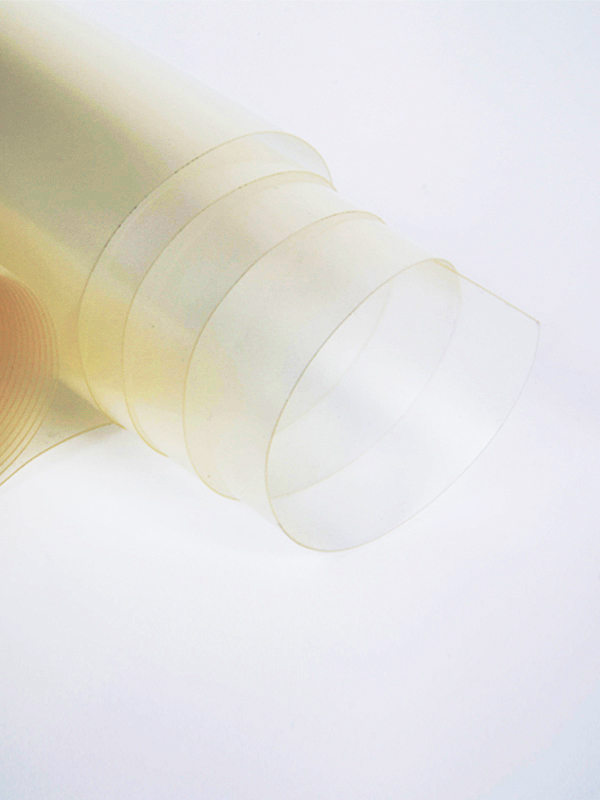
Start by asking what performance the application demands. If you need a flexible composite for outdoor signage, a PVC flex banner gives you printability, tear resistance, and weather durability. If you need a protective layer for flooring or decorative film, a PVC wear layer provides abrasion resistance and clarity. If you need a wallcovering with seamless installation, PVC wallcovering offers dimensional stability and easy maintenance.
In each case, the material is PVC. Calling it "vinyl" may be acceptable in casual conversation, but for technical documents, purchase orders, and quality inspections, use the precise term. That reduces the risk of receiving a different vinyl polymer or a compound with the wrong additive package.
How MSD Works with Vinyl and PVC Materials
At MSD, we have been producing PVC-based flexible materials since 2002. Our team works daily with PVC compounds, coatings, laminates, and films, so we understand the gap between the broad word "vinyl" and the specific chemistry of PVC. We also know that no two applications are identical, which is why we produce a wide range of substrates for advertising, construction, home decoration, sports, and industrial uses. You can learn more about our background and capabilities on our about page.
 PVC Tarpaulin FabricTechnical Date Sheet Properties Units Test Method Average Value Base Fabric Yarn D (Denier) 1000x1000D Base Fabric Density Thread/Inch FZ/T01003 30x30 Finished Fabric ...View Product →
For heavy-duty outdoor protection, our PVC tarpaulin fabric is engineered for strength, waterproofing, and weldability. It is a good example of how flexible PVC can be formulated for demanding conditions. If you are comparing tarpaulin with other PVC materials, our article on the difference between tarpaulin and PVC offers a useful side-by-side view.
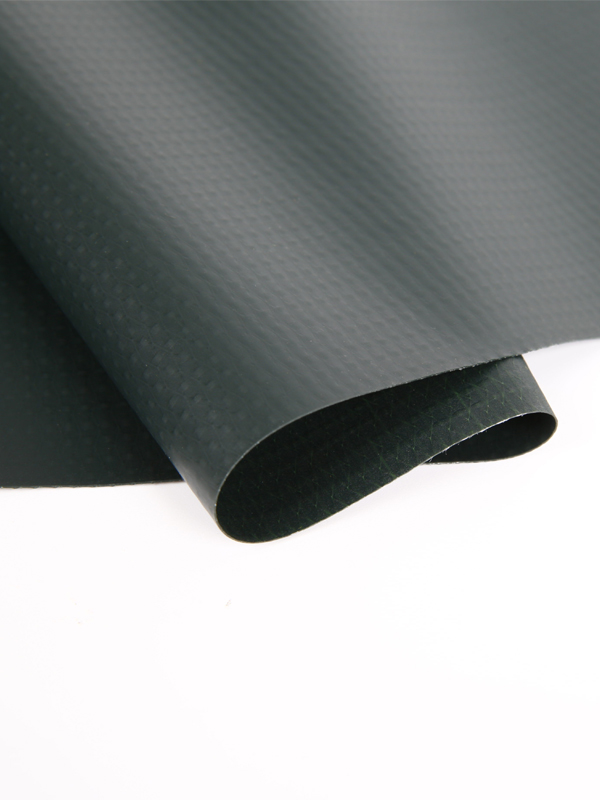
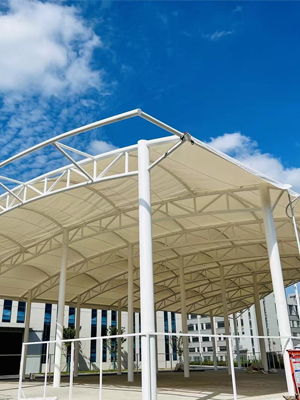 PVC Coated Polyester Membrane FabricThe fabric with a membrane structure is used for external awnings, canopies for parking, shadow canopies.View Product →
For architectural projects, our PVC architectural membrane materials combine tensile strength with weather resistance, helping create durable canopies, tensile structures, and temporary buildings. These products show how PVC chemistry can be tuned for structural performance rather than just flexibility.
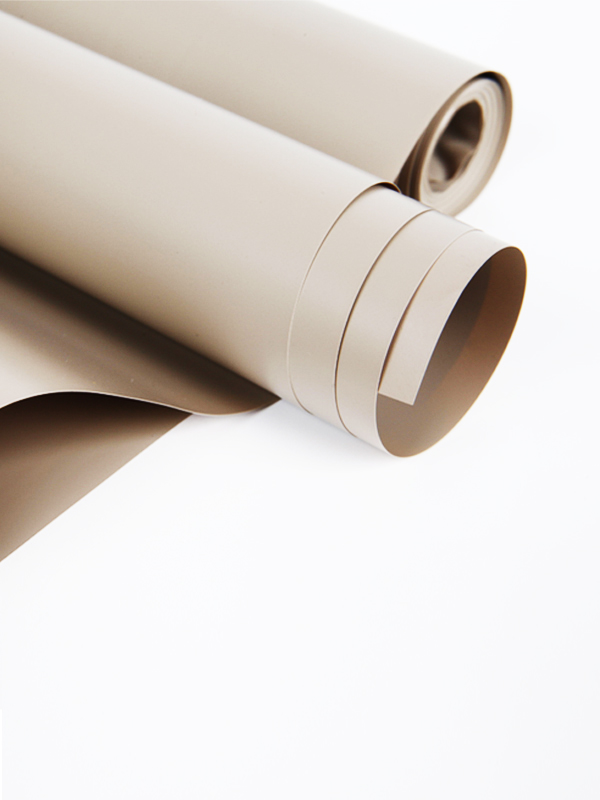
 PVC WallcoveringOur PVC wallcovering is designed to last, offering great resistance to scratches, impacts, and general wear and tear. Unlike traditional wallpapers, PVC fabric resists...View Product →
For interior surfaces, our PVC wallcovering delivers a smooth, cleanable finish that designers often specify as "vinyl wallcovering." It is PVC, but the formulation is optimized for indoor aesthetics and long-term maintenance.
Common Misconceptions and Practical Takeaways
One common myth is that vinyl and PVC are competing materials. They are not rivals; PVC is one member of the vinyl family. Another myth is that "vinyl" always means flexible and "PVC" always means rigid. In reality, PVC can be either, and the word "vinyl" appears in both rigid and flexible product categories.
Here is a practical checklist for buyers and specifiers:
- Use "PVC" when you need to name the specific polymer.
- Use "vinyl" only when the exact polymer is not important or when the market convention is clear.
- Ask for the formulation details: plasticizer type, stabilizer, filler, and surface treatment all affect performance.
- Confirm regulatory and environmental requirements, because PVC compounds can be formulated to meet different standards.
- Request samples and test them under real conditions, especially for outdoor, high-temperature, or load-bearing applications.
These steps turn a vocabulary discussion into a better material decision.
Understanding the difference between vinyl and PVC is ultimately about precision. Vinyl describes a broad chemical family; PVC names a specific, versatile polymer that has earned its place in construction, advertising, automotive, medical, and consumer products. When you work with a manufacturer that knows both the chemistry and the application, you can specify the right material with confidence.