 DOWNLOAD
 English
 русский
 Français
 Español
 عربى

PVC printing film is everywhere—ad graphics, labels, decorative panels, packaging, you name it. It bends, takes different print methods, and is easy to run. So plenty of manufacturers and print shops stick with it. But peeling, cracking, and fading can wreck the look and shorten service life.
These problems don't always come from bad film. Ink compatibility, surface prep, drying, weather, and how you handle the print afterward all play a part. Once you figure out what's really going on, it gets easier to cut waste, get ink to stick, and keep results steady.
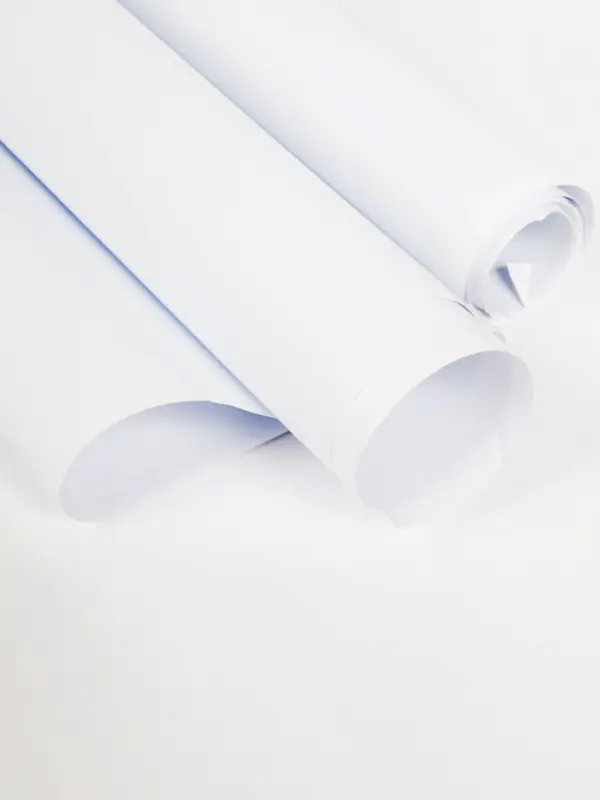
Why Does PVC Printing Film Peel After Printing?
Peeling usually means the ink didn't grab onto the film well enough. For that bond to hold, the surface needs to work with the ink system, and it needs to be ready before printing. Some PVC films have low surface energy. Others carry additives that get in the way. Plasticizers, which keep flexible PVC soft, can also creep to the surface over time. When that happens, the bond between film and ink can weaken.
Printing conditions don't help either. Poor curing, wet ink, too much ink, dust, oil, or even fingerprints can all lower adhesion.
How to prevent peeling:
- Make sure the film fits your solvent, UV-curable, latex, or other ink system.
- Find out if the film needs corona treatment, primer, or some other prep.
- Keep it clean before printing, and try not to touch the printable side.
- Check that ink is dry or cured before winding, stacking, laminating, or using the print.
A quick adhesion test on a sample can save you a lot of grief later. Use a method that matches the job and the maker's advice.
What Causes PVC Printing Film to Crack?
Cracking can show up during printing, cutting, bending, installation, or after months of use. Usually it means the film has gotten too brittle for what it's facing, or the printed layer can't handle the stress. PVC flexibility comes partly from its formula, including plasticizer type and amount. A bad mix, aging, or long exposure to rough conditions can make it less flexible.
Temperature matters a lot. Flexible PVC gets stiffer in the cold, so folding or installing it can raise the risk of cracks. Too much heat can also hurt the film and the ink on top.
The ink layer can be part of the problem. Heavy ink, ink that doesn't flex enough, or over-curing can create a printed surface that won't move with the film underneath. To lower cracking risk, pick film and ink systems made for the application. Test samples under real bending, temperature, and handling conditions, especially if the film will wrap around curves or sit outdoors.
Why Does Printed Color Fade or Change?
Fading can come from UV light, chemicals, abrasion, or ink that isn't up to the conditions. Outdoor graphics get hit harder because sunlight slowly breaks down some pigments and binders.
A printed PVC film may look lively at the start. Its long-term look still depends on ink formula, pigment stability, curing quality, and where it's used. Cleaning products, moisture, and repeated rubbing can damage the print too.
Color inconsistency is a cousin of fading, and it often starts during production. Wrong color profiles, off print settings, uneven ink delivery, and differences between film batches can all cause visible shifts.
To improve color durability and consistency:
Use inks rated for the expected indoor or outdoor use. Follow the recommended curing settings, and set up color management that people actually follow. For outdoor graphics, think about whether a compatible protective laminate or coating makes sense. A protective layer can help with abrasion and weather, but it depends on material compatibility, application quality, and service conditions.
How Printing Conditions Affect PVC Film Performance
Film, ink, and printing process all interact. A film that works with one printing technology may not do as well with another.
UV printing, for instance, needs proper ink curing and a film surface that plays nice with it. Solvent systems need suitable drying and control of leftover solvent. Too much ink or wrong processing settings can cause adhesion and appearance problems across different printing methods.
The table below sums up common defects and practical checks.
| Defect | Possible Cause | Recommended Check |
|---|---|---|
| Ink peeling | Poor surface compatibility or contamination | Test adhesion and verify surface preparation |
| Film cracking | Low-temperature brittleness or excessive bending stress | Test flexibility under actual use conditions |
| Color fading | UV exposure or unsuitable pigment durability | Verify ink weathering specifications |
| Color inconsistency | Incorrect color profiles or printing variation | Standardize color settings and inspect incoming film |
| Smudging or transfer | Incomplete drying or curing | Confirm curing conditions before handling |
| Blistering or lifting | Trapped solvent, poor bonding, or processing issues | Review ink application, drying, and lamination conditions |
These are possible causes, not a final diagnosis. One defect can come from several factors, so test one variable at a time.
Does PVC Film Quality Make a Difference?
Yes. Formulation, thickness, surface treatment, and manufacturing consistency can affect printability and durability.
A dependable PVC printing film supplier should give clear specs: film thickness, intended printing methods, recommended processing conditions, and relevant durability info. For tough jobs, ask about batch consistency and quality-control steps.
Incoming inspection can help spot surface defects, thickness changes, contamination, and appearance differences. Print trials should use the actual ink system and settings planned for production. For outdoor or long-term use, accelerated weathering and adhesion tests can offer useful comparisons. Still, accelerated testing doesn't predict every real-world condition, so read results alongside the intended service environment.
How to Troubleshoot Printing Defects Efficiently
When peeling, cracking, or fading shows up, changing several print settings at once can make the real cause hard to find.
A steadier approach is to document the defect, check film and ink specs, and test one suspected variable at a time. Compare treated and untreated samples when it makes sense, verify curing, and check adhesion before and after relevant exposure.
Record the film batch, ink type, printer settings, curing parameters, and post-printing process. This helps spot recurring issues and separate material problems from process-related ones. If failures keep happening across batches even with controlled printing, ask the film or ink maker for technical support and review how the whole printing system fits together.
Choosing PVC Printing Film for Reliable Results
Long-lasting print quality depends on the whole process, from film formula and surface prep to ink choice, curing, and final application. Peeling often points to adhesion trouble, cracking may mean not enough flexibility or too much stress, and fading often reflects weak resistance to light, chemicals, or wear.
By matching PVC printing film to the intended printing technology, validating processing conditions, and testing samples under realistic use, manufacturers can cut defects and improve product reliability.