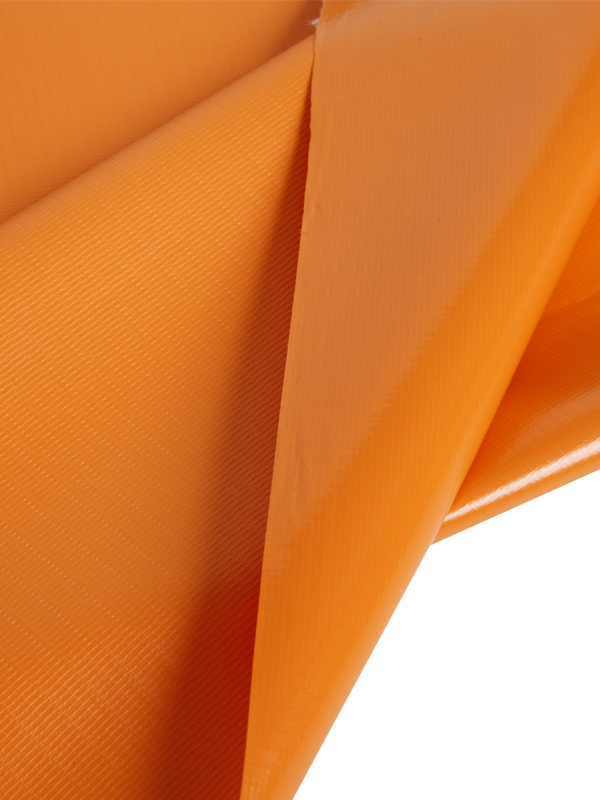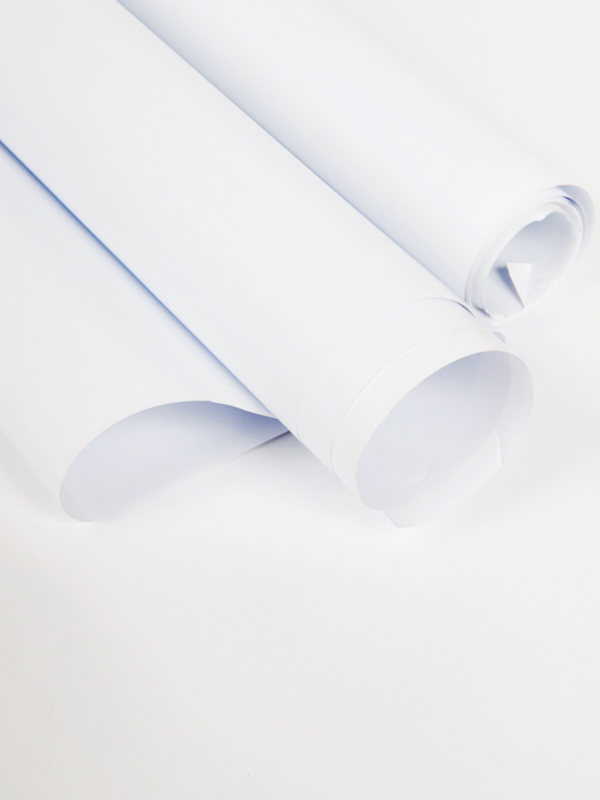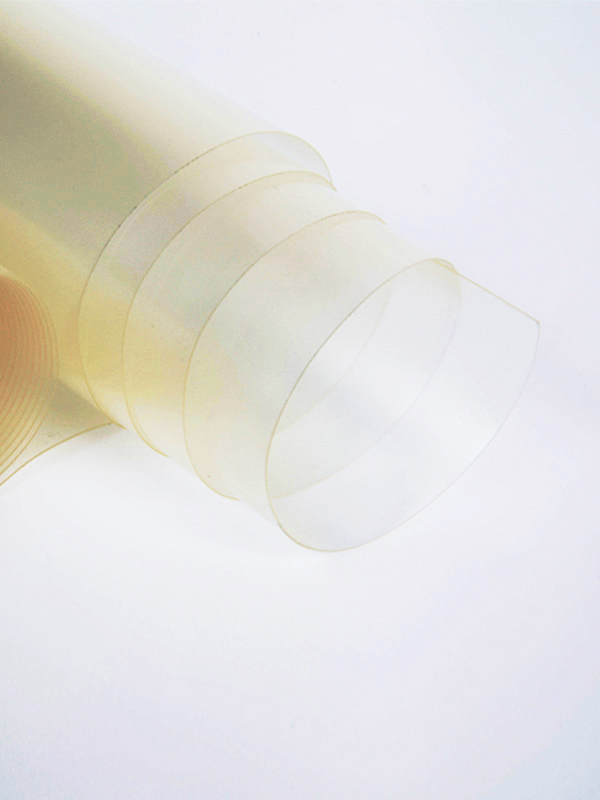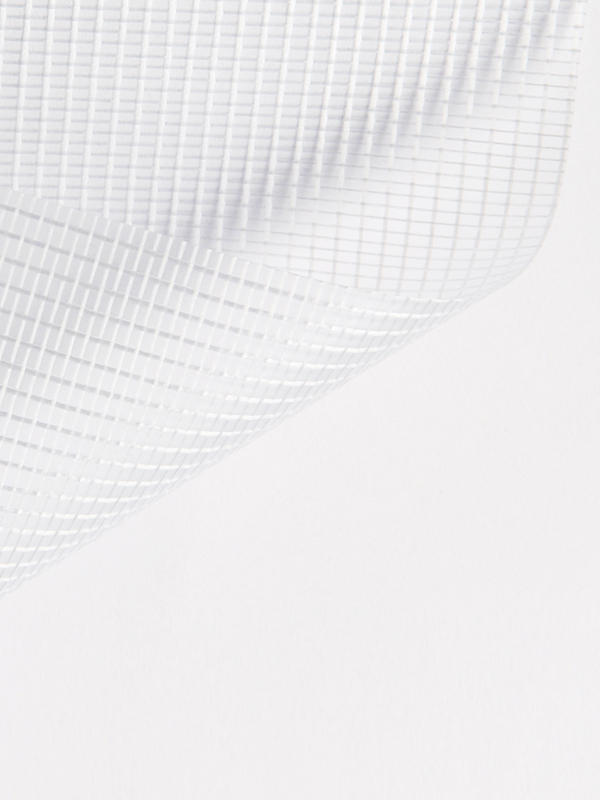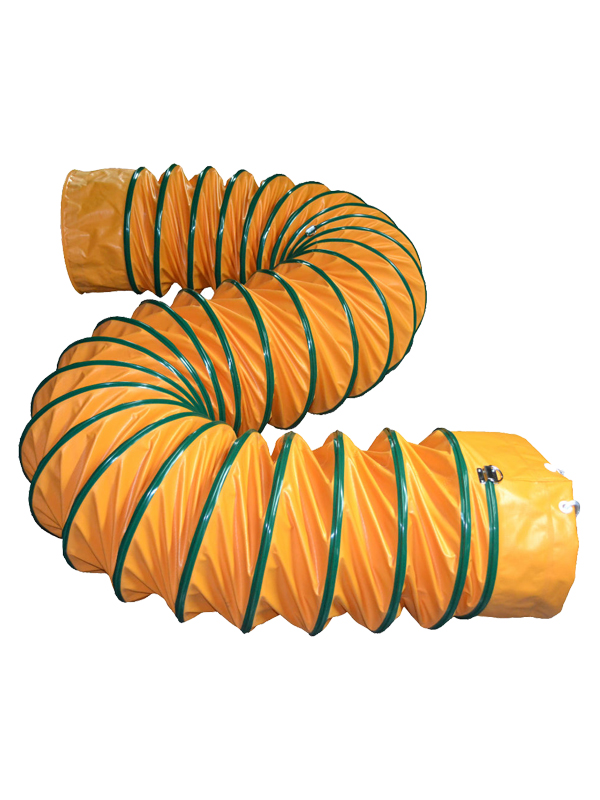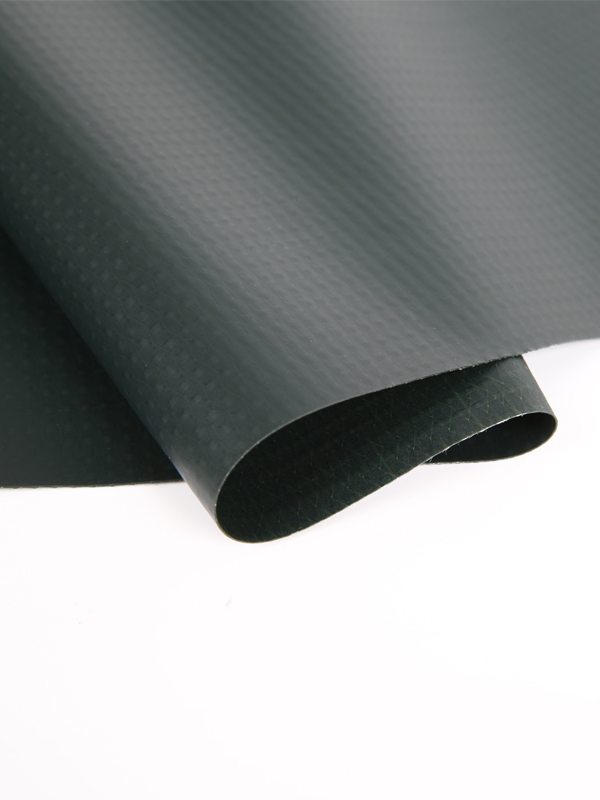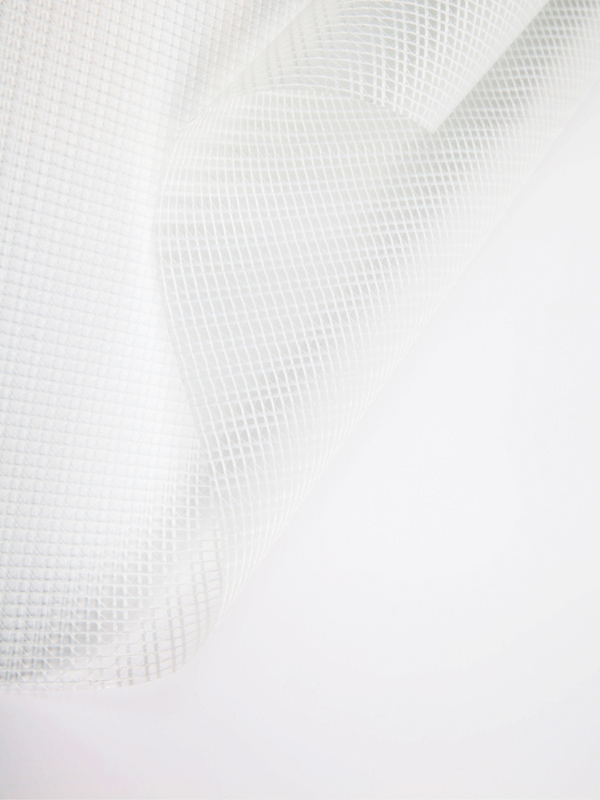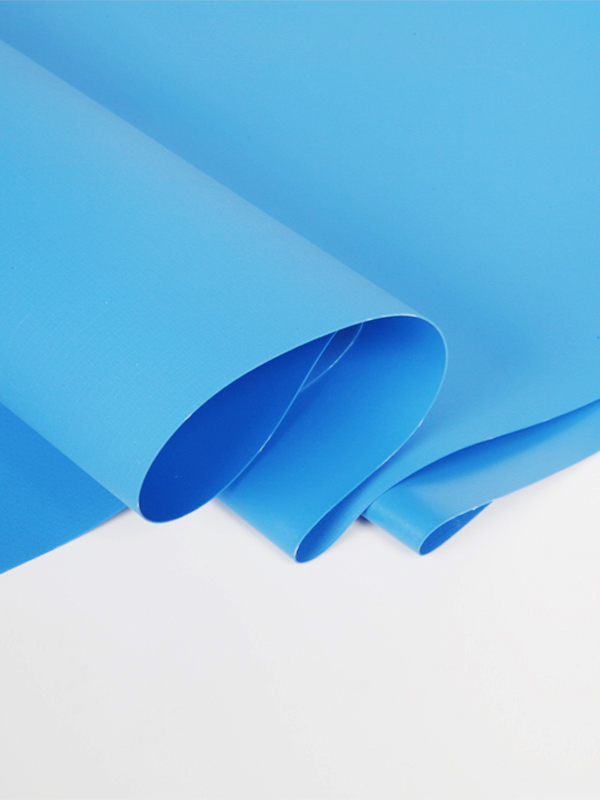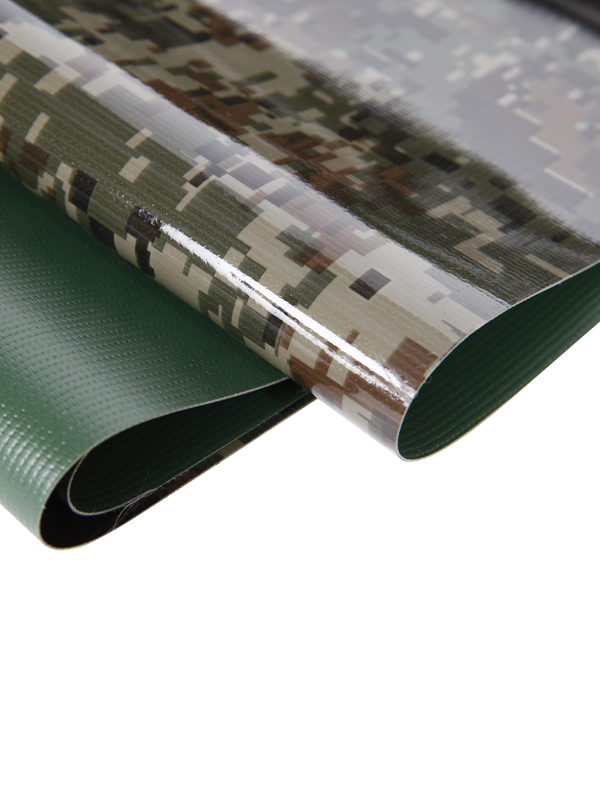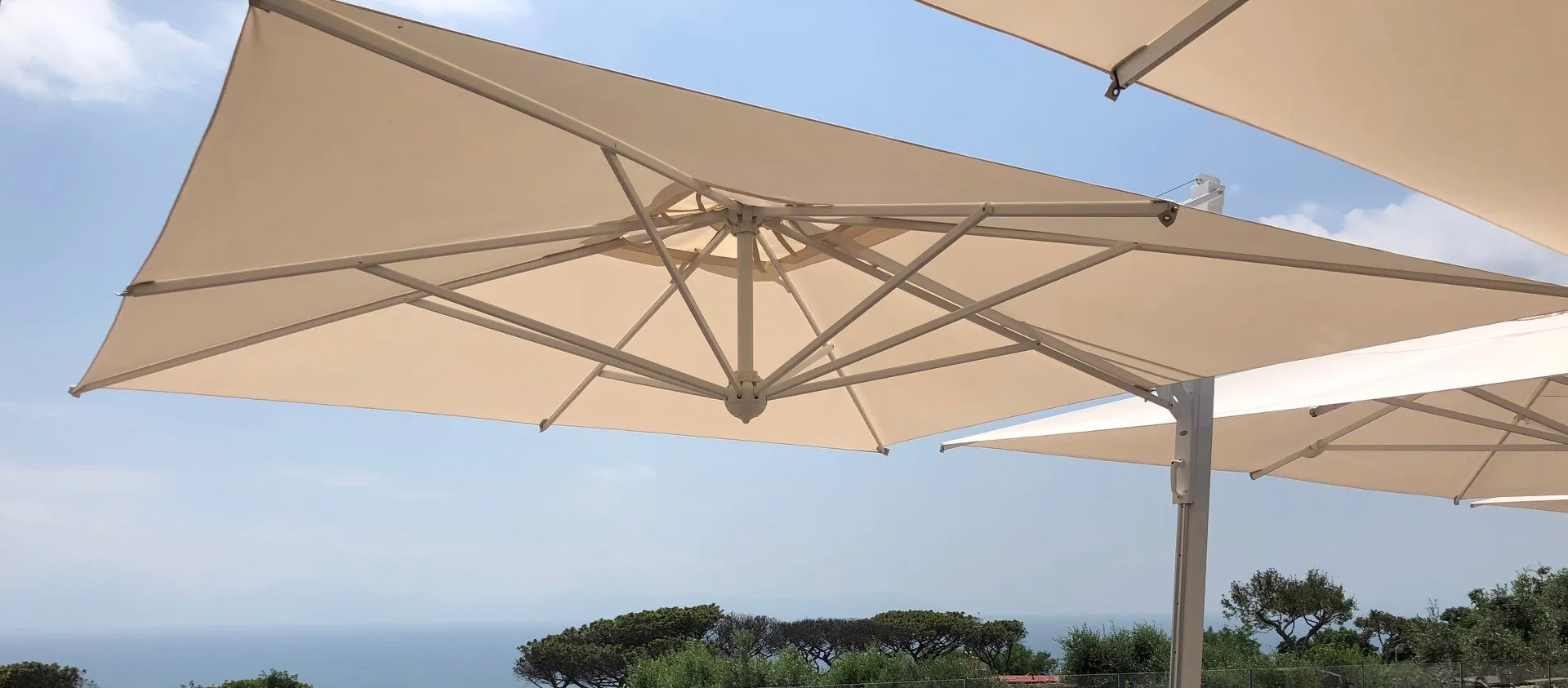
PVC Tarpaulin Fabric provides a practical solution for covering and shielding items from the elements. It starts with a strong woven base, usually polyester, coated on one or both sides with polyvinyl chloride. The coating creates a smooth, sealed surface that repels water and stands up to outdoor conditions. This combination delivers toughness, flexibility, and reasonable cost in one package.
The Production Process
Manufacturing begins with weaving a base fabric from polyester yarns. This base gives the material its primary strength and tear resistance. Next, the fabric passes through coating machines where liquid PVC gets applied evenly across the surface. Heat and pressure bond the PVC tightly to the base, forming an airtight and waterproof layer.
After coating, stabilizers get mixed in to help the material resist sunlight damage. Plasticizers keep it from cracking in cold temperatures or becoming too soft in heat. The finished rolls come in various widths and thicknesses, ready to be cut, welded, or sewn into finished products like covers, shelters, or enclosures.
The process stays relatively simple and efficient. This keeps production steady and allows suppliers to offer the fabric at accessible price points compared to more complicated coated materials.
Cost Advantages in Real Use
Price often drives the decision to use PVC tarpaulin fabric. The materials and steps involved cost less than those required for canvas or specialty coated fabrics. Canvas needs extra treatments to reach similar water resistance, while high-performance alternatives involve advanced polymers or multiple layers.
PVC tarpaulin gives solid coverage without requiring a large budget. Large areas can be protected—whether for construction, agriculture, or storage—without pushing expenses too high. This makes it suitable for both one-time projects and ongoing commercial needs.
| Aspect | PVC Tarpaulin Fabric | Comparison with Alternatives (Canvas / Specialty Fabrics) |
|---|---|---|
| Production Cost | Lower (simpler materials & fewer steps) | Higher (extra treatments, advanced polymers, multiple layers) |
| Initial Purchase Price | More affordable | Significantly more expensive |
| Coverage Capability | Solid protection for large areas | Similar protection but at higher cost |
| Suitability | Ideal for one-time projects & ongoing commercial use | Better for specialized needs, less budget-friendly |
| Overall Budget Impact | Allows protection without large expense | Often pushes total costs higher |
How Long It Lasts Outdoors
The material holds up well under regular outdoor exposure. The PVC layer blocks water from reaching the base fabric, preventing rot or weakening. Built-in UV protection slows fading and breakdown from sunlight, so the fabric keeps its strength and appearance for extended periods with basic care.
The woven base adds resistance to tearing and abrasion. Contact with rough surfaces, tools, or debris does not easily damage the structure. In busy settings like construction sites or farm operations, this durability means fewer replacements over time.
Cold weather flexibility comes from the plasticizers, which prevent brittleness. Heat tolerance stays reasonable within normal outdoor ranges, so the fabric performs consistently through different seasons.
Weather Resistance That Works
Waterproofing remains the core strength. Rain, snow, and puddles stay on the surface instead of soaking through. Heat-welded seams create strong, leak-resistant joints that hold up during heavy rain.
Sunlight resistance helps maintain performance over months or years of exposure. Without proper stabilizers, many fabrics weaken quickly in direct sun. PVC tarpaulin handles this better, keeping the material functional longer.
Wind presents another challenge, but proper fastening makes a difference. Grommets, reinforced edges, and tie-down points allow secure attachment that reduces flapping and stress during strong gusts. This supports use in open areas or as semi-permanent shelters.
Adaptability to Different Jobs
PVC tarpaulin fabric fits a wide range of applications. It can be cut to exact sizes and joined using heat welding for clean, strong seams. Sewing works too, especially with added reinforcements.
Colors vary from basic tones to brighter shades, and some versions accept screen printing for labels or identification. This flexibility makes the fabric useful for truck covers, temporary event structures, agricultural storage, backyard shelters, and construction enclosures.
Lightweight rolls make transport straightforward. Quick deployment suits situations that require fast setup, such as covering equipment overnight or creating temporary workspaces.
Simple Installation and Handling
The fabric weighs little compared to its coverage area. It folds compactly for storage and travels easily in vehicles or on trailers. Securing a cover usually involves basic tools—ropes, bungees, or hooks—and takes minimal time.
Taking it down follows the same easy process. The material rolls back up quickly, ready for the next location or season. This convenience saves effort, especially valuable for projects that move frequently or only need protection part of the year.
Keeping It in Good Condition
Maintenance stays straightforward. After use, rinse off dirt, dust, or residue with water. Mild soap removes heavier grime without harming the coating. Drying completely before storage prevents mold or mildew.
Routine checks help catch small damage early. Punctures or small tears can be patched with compatible adhesive and material, restoring waterproofing in cases. Avoiding harsh cleaners and rough scrubbing extends the usable life.
Storage matters too. Roll the fabric loosely and keep it in a dry, shaded spot away from sharp edges. These habits help the material stay ready for use whenever needed.
Options for Customization
The fabric supports practical add-ons without major expense. Reinforced hems strengthen edges against pulling. Metal grommets provide secure tie-down locations. Rope hems or webbing add strength in high-stress areas. Zippers or access flaps allow entry to covered spaces.
Printing directly on the surface works for identification, warnings, or simple graphics. These features tailor the cover to specific needs while keeping additional costs reasonable.
| Customization Option | Description (Optimized) | Practical Benefit |
|---|---|---|
| Reinforced Hems | Strengthened edges to resist pulling/tearing | Increases edge durability and longevity |
| Metal Grommets | Installed metal rings for tie-down points | Secure fastening and easy attachment |
| Rope Hems / Webbing | Added rope channels or webbing in stress zones | Extra reinforcement in high-load areas |
| Zippers / Access Flaps | Installed zippers or flaps for entry | Convenient access to covered items |
| Surface Printing | Direct printing of logos, warnings, or graphics | Identification, branding, or safety messaging |
Performance in Tough Settings
Construction sites demand covers that handle dust, debris, and constant movement. PVC tarpaulin protects equipment, materials, or unfinished areas while standing up to the rough conditions. Agricultural applications include covering hay, machinery, or grain, where moisture resistance prevents spoilage.
Marine environments expose covers to saltwater and dampness. The material resists these factors, making it suitable for boat protection, dock enclosures, or temporary shelters near water. Industrial uses benefit from resistance to mild chemicals and airborne particles in certain formulations.
Why choose Shanghai MSD
Shanghai MSD Company boasts consistent manufacturing standards, a well-established production process, and a geographical location, ensuring efficient supply and timely delivery.
By choosing MSD products, customers receive durable, weather-resistant materials that combine performance with reasonable pricing, suitable for various outdoor protection needs. This choice reflects customers' trust in their supplier, as MSD prioritizes reliable quality, practical functionality, and long-term value, ensuring that its tarpaulin fabrics are durable and suitable for all seasons in real-world applications.

English
русский
Français
Español
عربى