Polyurethanes used as insulator effectively improve the energy efficiency of buildings, transportati...
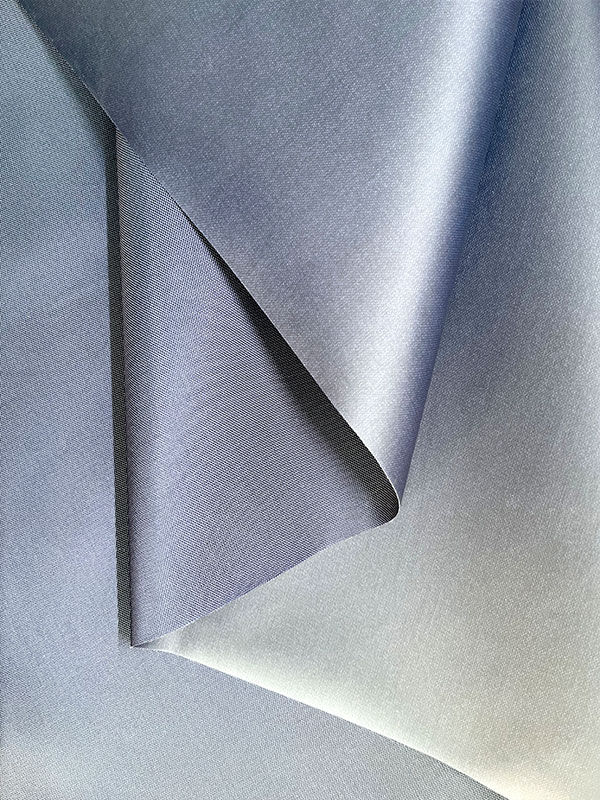
see moreTPU compound fabrics are made by laminating a TPU film onto textile substrates such as nylon or polyester, creating a material that balances flexibility with strong wear resistance and waterproof protection. The film is produced from thermoplastic polyurethane (TPU), a recyclable polymer based on polyester or polyether structures. Since TPU is thermoplastic, it can be shaped and processed using methods like extrusion, calendering, and injection molding, making it a practical, more sustainable option for applications that need both durability and adaptability.
We focus on manufacturing and supplying high-grade TPU compound film and TPU compound fabric for a wide range of end uses. Our materials are known for consistent performance and broad versatility, and are commonly applied in:
Inflatable toys and outdoor recreation products
Protective covers for precision instruments and equipment
Safety apparel and protective suits
Water tanks, liners, and shower curtains
Footwear, clothing, bags, luggage, and other textile-based coverings
With advanced manufacturing equipment and an experienced engineering team, we maintain steady quality control and deliver products built to meet customer specifications and end-use standards.
providing creative solution from concept to production to distribution.
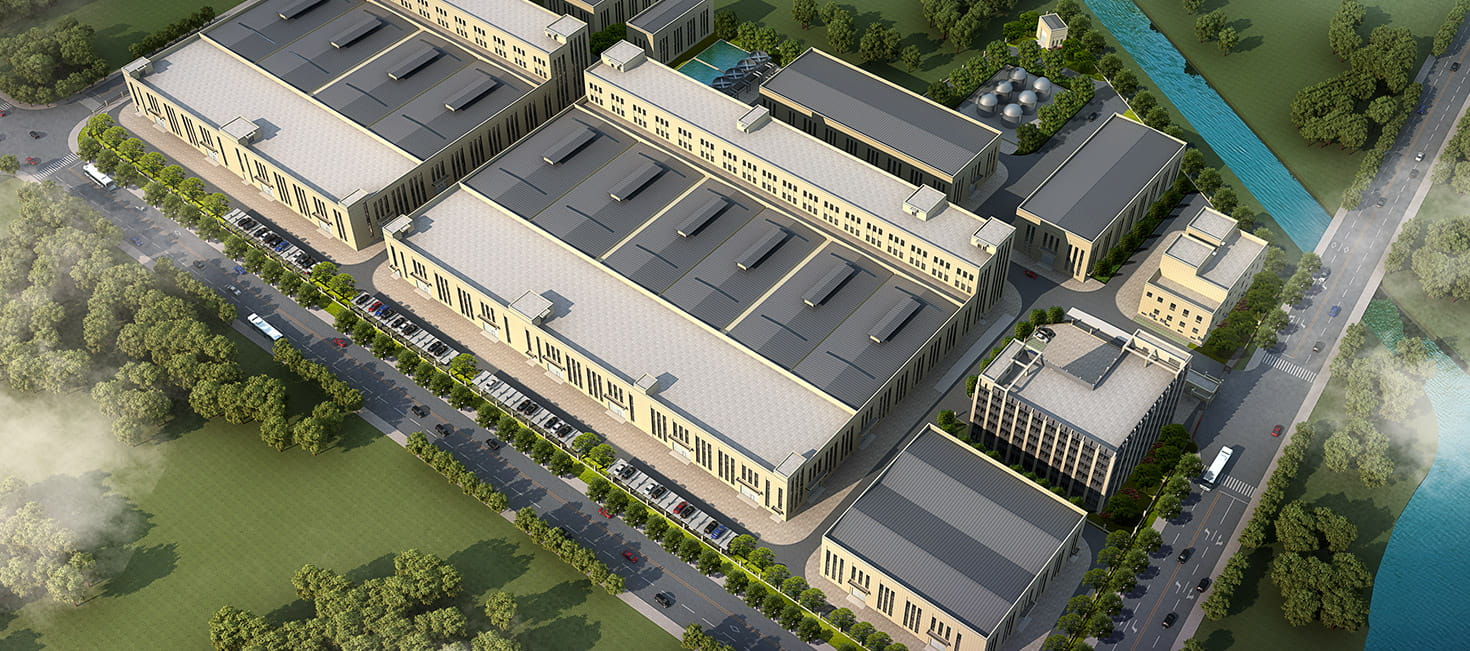
Contact UsWith a registered capital of 139 million CNY, MSD is a high-tech enterprise integrating R&D, production and sales of high-end PVC products and decorative film materials, being founded in 2002 and located in Maqiao Warp knitting Park, Haining city, Zhejiang Province.
MSD as a professional TPU Compound Film and TPU Compound Fabric Factory, we provide customers with custom TPU Compound Fabric at a great price. Our products are under strict quality control throughout the manufacturing process.
MSD is specializing in the production of environmental friendly PETG Film, TPU Compound Film, Inflatable Boat Fabric, PVC Super Clear Film, PVC Wallcovering ect. The company owns the core technology which makes it to be the leading enterprise in PVC calendering coating industry.
At present, the company has 1100 employees, including 120 technicians, and a factory area of 180,000 square meters. In 2021, the sales has reached 2.6 billion CNY.
With the rapid advancement of material science and textile technology, TPU (Thermoplastic Polyurethane) has established itself as a versatile and high-performance material, offering exceptional durability, flexibility, and waterproofing. Among its key applications, TPU compound films and TPU compound fabrics play a crucial role in products ranging from outdoor equipment and protective apparel to medical textiles and performance footwear. Although both share the same core TPU material, their structural differences and functional characteristics create unique advantages for modern manufacturing and design. So, how do TPU compound films and TPU compound fabrics work together to deliver optimal performance across diverse applications?
Material Composition and Structure
TPU (Thermoplastic Polyurethane) compound films are engineered by processing TPU resins into thin, durable sheets. These films may consist of a single TPU layer or multiple laminated layers and can include additives to enhance UV resistance, flame retardancy, or abrasion resistance.
Structurally, TPU compound films are highly elastic, smooth, and uniform, providing a stable surface for lamination or printing. The molecular structure of TPU gives the film excellent flexibility, tensile strength, and mechanical stability, while optional microporous configurations can allow breathability without compromising waterproof performance.
This combination of structural integrity and functional adaptability makes TPU compound films a versatile material suitable for a variety of demanding industrial applications.
Key Functional Properties (Flexibility, Waterproofing, Durability)
TPU compound films are widely recognized for their versatile functional properties, including:
These functional attributes enable TPU films to maintain performance integrity under diverse environmental and mechanical stresses.
Common Industrial and Commercial Applications
TPU compound films are extensively applied across industries due to their strength, versatility, and protective qualities:
By combining structural strength with functional performance, TPU compound films provide reliable, long-lasting, and adaptable solutions for modern industrial and commercial needs.
Fabric Base and TPU Lamination Techniques
TPU compound fabrics are advanced composite materials formed by combining a textile base, such as polyester or nylon, with a thermoplastic polyurethane (TPU) layer. This lamination creates a fabric that retains the strength, flexibility, and texture of the textile while incorporating the protective and functional properties of TPU.
There are several common lamination techniques used in manufacturing TPU compound fabrics:
These methods allow manufacturers to customize the performance characteristics of TPU compound fabrics, including breathability, stretch, and environmental resistance.
Performance Advantages over Traditional Fabrics
TPU compound fabrics offer several distinct advantages compared to conventional fabrics:
These advantages make TPU compound fabrics highly suitable for demanding environments where traditional textiles would fail.
Applications in Apparel, Footwear, and Technical Textiles
The unique combination of strength, flexibility, and protective performance makes TPU compound fabrics ideal for multiple industries:
By integrating TPU films with fabric bases, manufacturers can produce versatile, high-performance materials that meet the requirements of modern industrial, commercial, and consumer applications.
TPU Film vs TPU Fabric: Performance, Structure, and Functional Applications
|
Category |
TPU Compound Film |
TPU Compound Fabric |
|
Material Composition |
TPU resin sheets, single or multi-layered, optional additives for UV, abrasion, flame resistance |
Textile base (polyester/nylon) laminated with TPU film using heat, adhesive, or hot melt coating |
|
Key Properties |
Flexible, waterproof, durable, abrasion and chemical resistant, UV and temperature resistant |
Waterproof, durable, flexible, lightweight, customizable properties like breathability and UV resistance |
|
Applications |
Outdoor gear, medical products, electronics insulation, high-end packaging |
Apparel (jackets, sportswear), footwear linings, backpacks, luggage, tents, medical/industrial textiles |
|
Function |
Protective and aesthetic film layer, structural stability for lamination and printing |
Combines fabric strength and TPU protection for high-performance, wearable, or technical applications |
How TPU Film Enhances Fabric Performance
TPU (Thermoplastic Polyurethane) films play a crucial role in enhancing the performance of composite fabrics. When laminated or coated onto a textile base, TPU film provides a waterproof barrier, mechanical reinforcement, and protective surface, which traditional fabrics alone cannot achieve.
By integrating TPU film, fabrics gain enhanced protective features while retaining flexibility and comfort, bridging the gap between durability and usability.
Synergistic Properties for Strength, Elasticity, and Longevity
The combination of TPU film and fabric creates a synergistic effect, where each component contributes complementary properties:
This synergy makes TPU compound fabrics highly suitable for high-performance applications, where durability, flexibility, and long-term reliability are essential.
Customization and Design Flexibility
TPU compound fabrics offer significant customization potential for manufacturers and designers:
By leveraging these customization options, TPU compound fabrics can be precisely engineered for industry-specific requirements, from lightweight sportswear to heavy-duty outdoor equipment.
Thickness, Coating, and Reinforcement Methods
Optimizing TPU compound films and fabrics requires careful attention to thickness, coating, and reinforcement techniques.
Printing, Lamination, and Composite Techniques
TPU materials support versatile processing techniques for both functional and aesthetic purposes:
These techniques allow manufacturers to tailor TPU materials for specialized industrial, apparel, or technical uses.
Environmental Resistance (UV, Abrasion, Chemical, Weather)
TPU compounds are engineered to withstand various environmental stressors:
These properties ensure long-term performance and reliability in demanding environments.
Outdoor Gear and Sports Equipment
TPU compound films and fabrics are widely used in outdoor and sports equipment, including:
The combination of flexibility, waterproofing, and durability ensures both protection and comfort for end-users.
Protective Clothing and Safety Textiles
In industrial and occupational settings, TPU materials provide essential protection and reliability:
TPU laminates improve mechanical strength and environmental resistance, ensuring long-lasting protection for workers and assets.
Medical and Industrial Products
TPU compound materials are integral to medical and specialized industrial applications:
These applications leverage TPU's versatility and high-performance characteristics to meet strict industry standards.
Comparison with Vinyl, PVC, and Fabric-Only Materials
Compared to vinyl, PVC, and fabric-only solutions, TPU compound materials offer:
TPU consistently outperforms traditional alternatives in long-term durability and functional performance.
Cost-Effectiveness and Longevity
Despite slightly higher initial costs, TPU materials provide long-term value due to:
This makes TPU cost-effective for both industrial and consumer applications.
Performance Under Varying Environmental Conditions
TPU compound films and fabrics maintain stable performance under diverse conditions:
Such reliability makes TPU ideal for high-demand applications where performance consistency is critical.
Importance of Quality and Customization
Partnering with experienced TPU manufacturers ensures:
Selecting a reliable partner is crucial for achieving optimal TPU performance and product longevity.
Example: Shanghai MSD's Role in High-Performance TPU Materials
Shanghai MSD provides expertise in producing high-performance TPU films and fabrics, offering:
By working with Shanghai MSD, brands and manufacturers can leverage TPU innovations to produce reliable, high-performance products for modern markets.
The synergy between TPU compound films and TPU compound fabrics highlights the importance of understanding material properties, structural design, and application-specific requirements. By selecting the right combination, manufacturers and designers can achieve durable, flexible, and high-performance products that meet the ever-growing expectations of consumers and industries alike.
Are you ready to explore how TPU innovations from partners like Shanghai MSD can elevate your next project to a new level of performance and reliability?