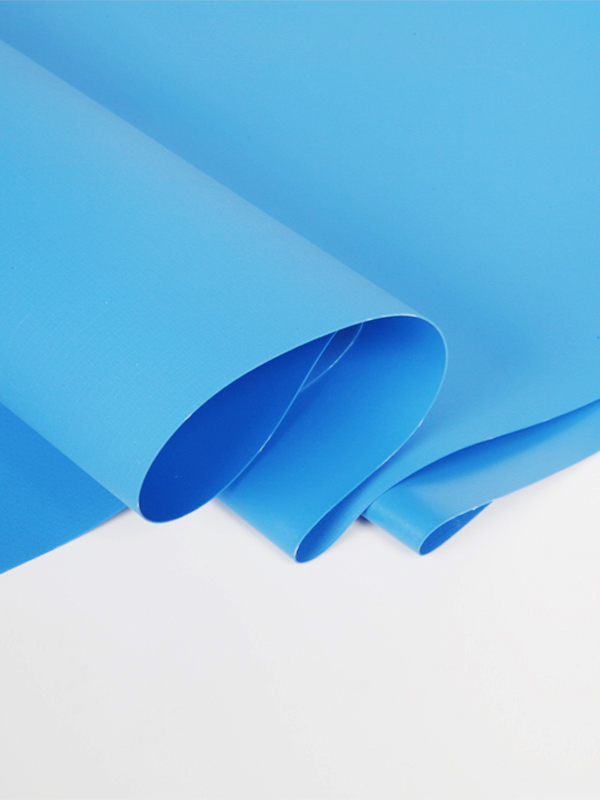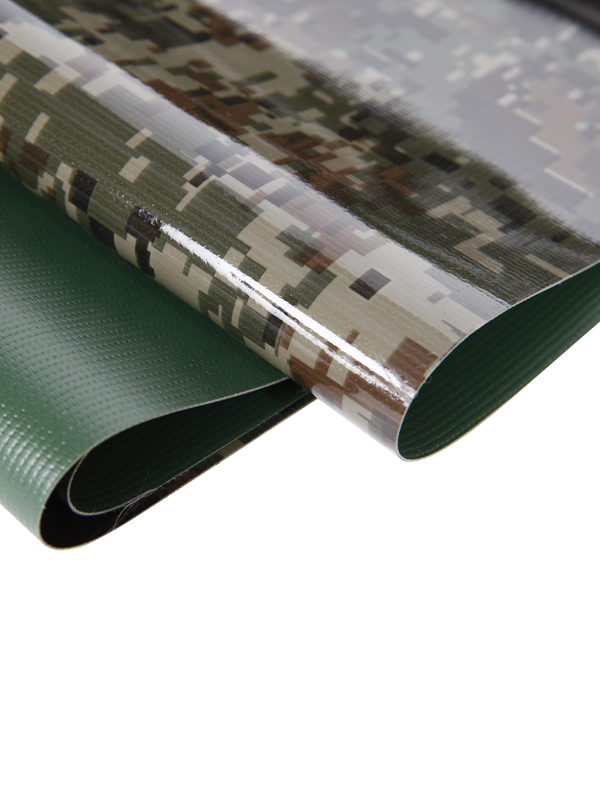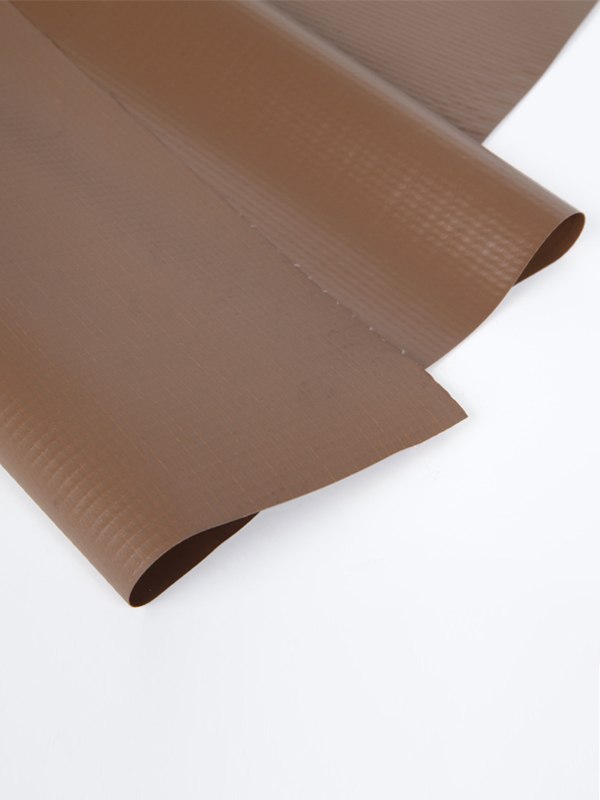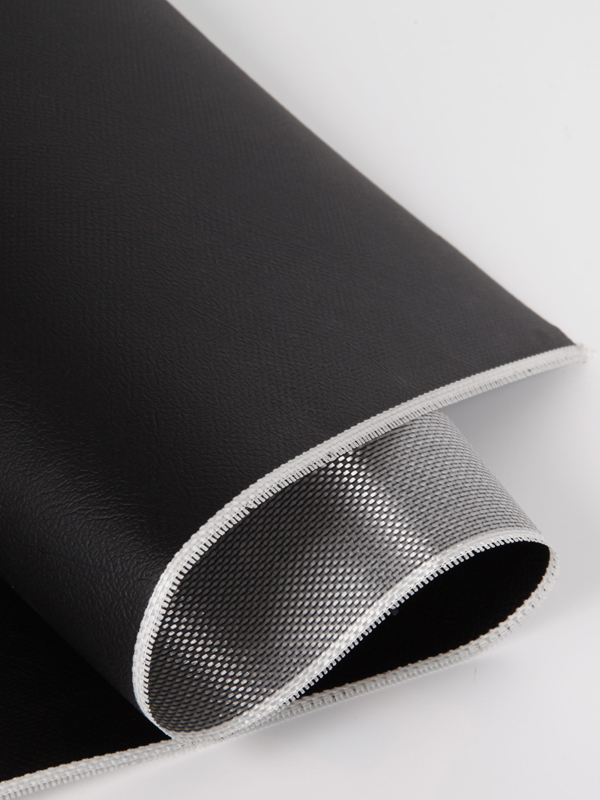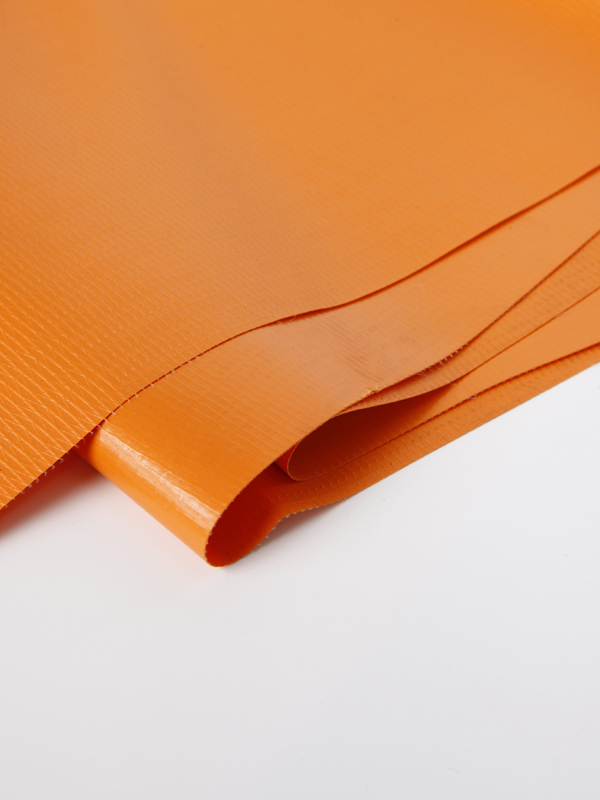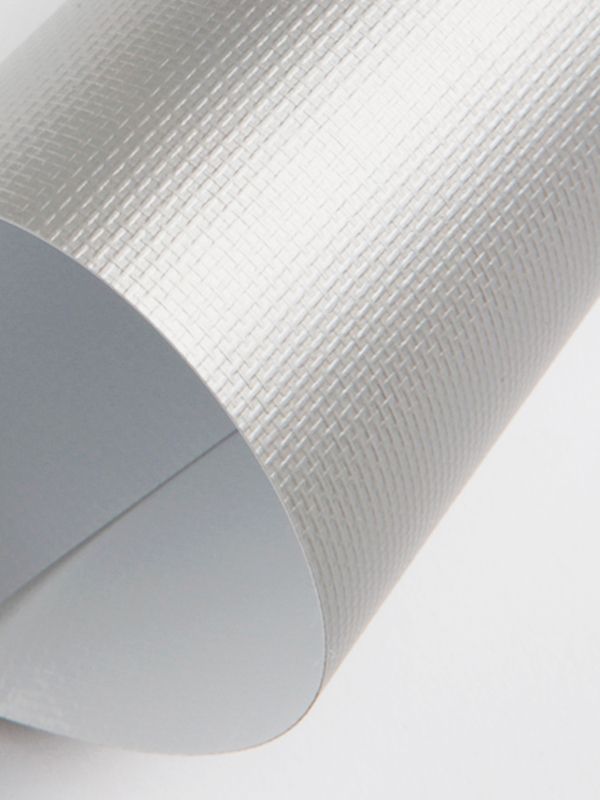
PVC Inflatable Fabric

Home / Products / PVC Compound Fabrics

PVC Tarpaulin Fabric
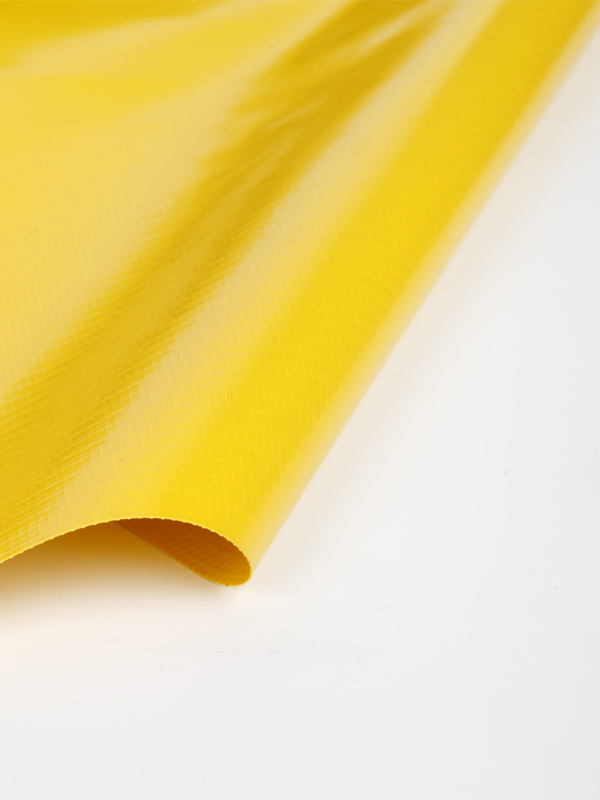
PVC Inflatable Fabric, PVC Tarpaulin Fabric, and PVC Compound Fabrics: High-Performance Solutions for Every Need

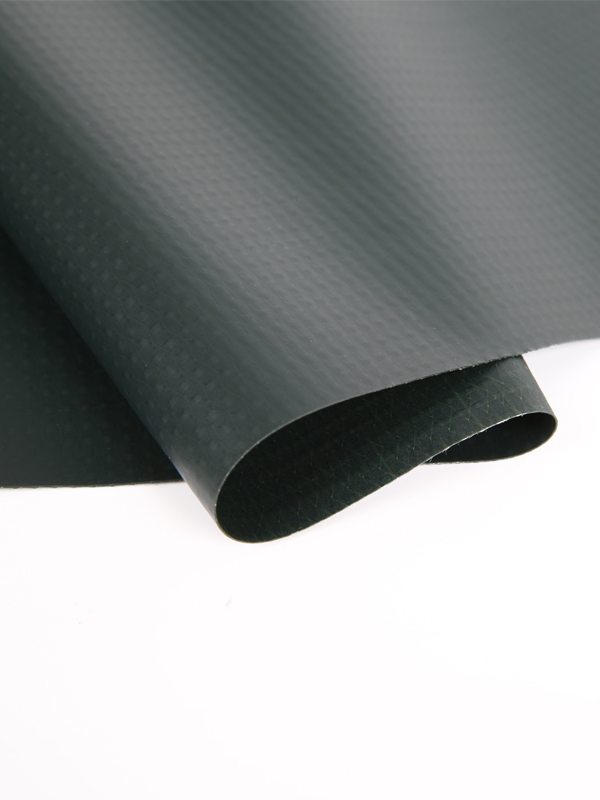
At MSD Group, we specialize in providing top-quality PVC Inflatable Fabric, PVC Tarpaulin Fabric, and a wide range of PVC Compound Fabrics designed for durability and performance. Our PVC Inflatable Boat Fabric is specifically engineered to offer exceptional strength, UV resistance, and waterproofing, making it the ideal choice for marine applications, including inflatable boats and watercrafts.

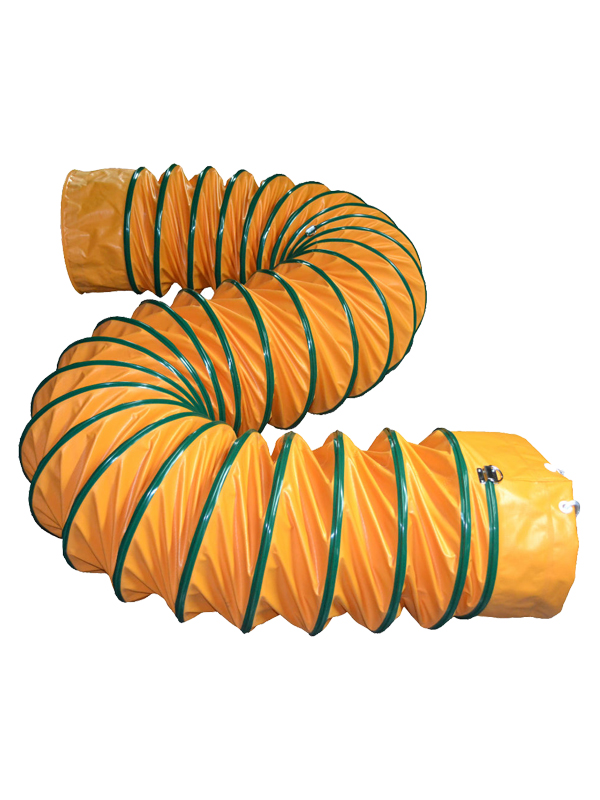
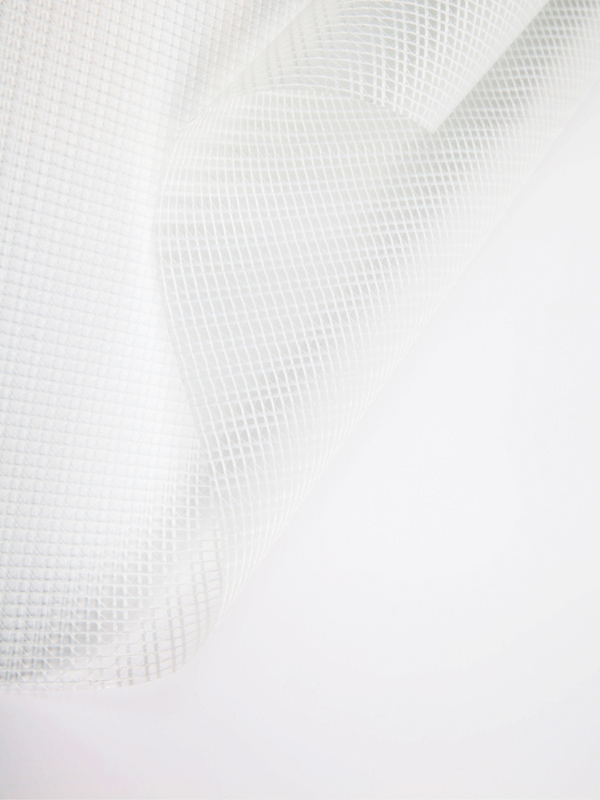
Our PVC Tarpaulin Fabric delivers durability and is perfect for industrial, commercial, and outdoor use, including truck covers, tents, and large advertising banners. We combine PVC coatings with woven or polyester fabrics to create PVC Compound Fabrics that meet standards for waterproofing, flexibility, and long-lasting performance.

Whether you need heavy-duty tarpaulins for rugged conditions or specialized fabrics for boating, MSD Group has the materials you need for every project. With customizable solutions and a commitment to quality, we provide reliable, eco-friendly, and high-performance fabrics for all your industrial and outdoor requirements.

ONE STOP PROCUREMENT SERVICE

providing creative solution from concept to production to distribution.

Contact Us

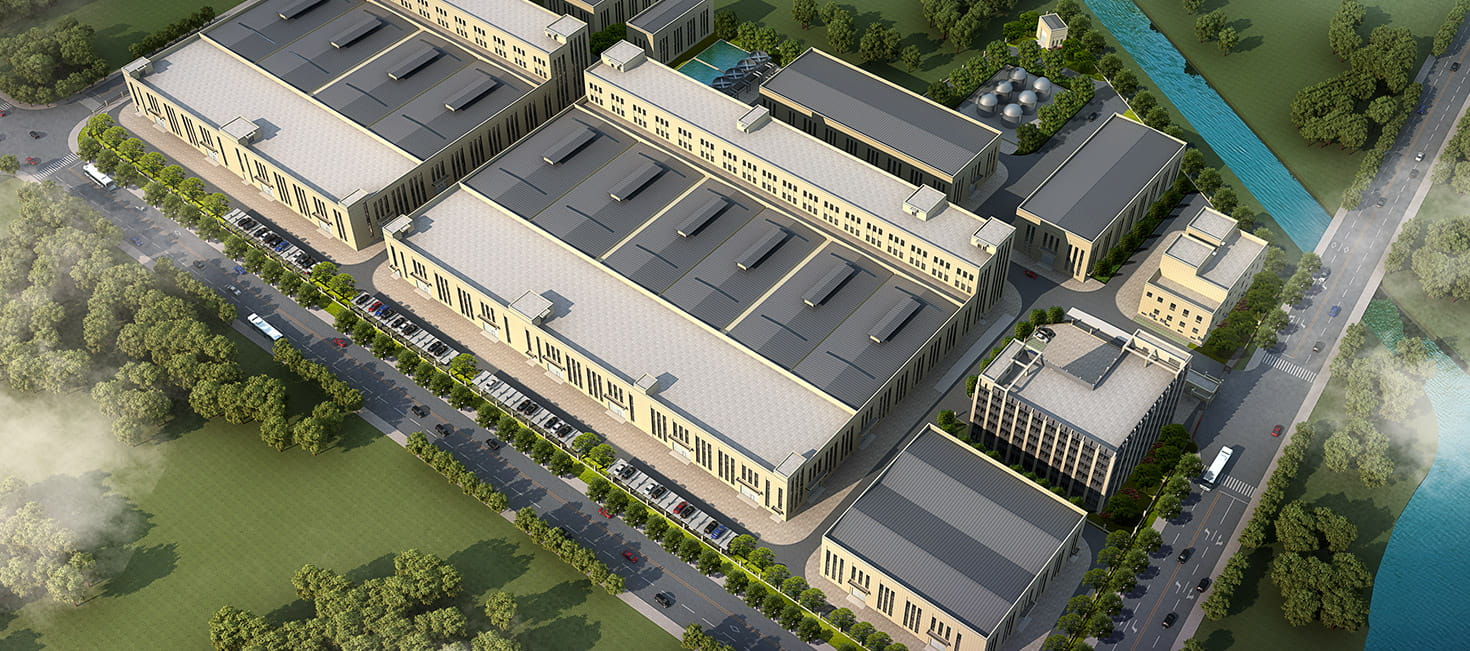
With a registered capital of 139 million CNY, MSD is a high-tech enterprise integrating R&D, production and sales of high-end PVC products and decorative film materials, being founded in 2002 and located in Maqiao Warp knitting Park, Haining city, Zhejiang Province.

MSD as a professional PVC Inflatable Fabric and PVC Tarpaulin Fabric Factory, we provide customers with custom PVC Tarpaulin Fabric at a great price. Our products are under strict quality control throughout the manufacturing process.

MSD is specializing in the production of environmental friendly PETG Film, TPU Compound Film, Inflatable Boat Fabric, PVC Super Clear Film, PVC Wallcovering ect. The company owns the core technology which makes it to be the leading enterprise in PVC calendering coating industry.

At present, the company has 1100 employees, including 120 technicians, and a factory area of 180,000 square meters. In 2021, the sales has reached 2.6 billion CNY.
shanghaimsd

Which PVC Fabric Suits Your Project Needs—PVC Tarpaulin fabric or PVC Inflatable Fabrics?

Choosing the right PVC fabric can make all the difference in the performance, durability, and longevity of your project. Both PVC tarpaulin fabric and PVC inflatable fabrics offer unique advantages: tarpaulins are known for their heavy-duty strength and resistance to harsh environmental conditions, while inflatable fabrics excel in flexibility, lightweight construction, and airtight performance. Understanding their properties and applications is key to selecting the material that meets your specific needs. Which type of PVC fabric will best support the success of your next project?

PVC Tarpaulin Fabric

1. Composition and Manufacturing Process

PVC tarpaulin fabric is primarily made from polyester or woven synthetic fibers coated with polyvinyl chloride (PVC). This combination creates a fabric that is both strong and flexible, suitable for heavy-duty applications. The manufacturing process generally includes:

  • Weaving the base fabric: High-strength polyester fibers are woven into a durable mesh to provide tear and puncture resistance.
  • PVC Coating: A layer of PVC is applied through calendaring, lamination, or coating to make the fabric waterproof and UV-resistant.
  • Heat Sealing or Welding: Finished sheets are heat-sealed along the edges to enhance strength, prevent fraying, and improve overall durability.

This production process ensures the fabric combines robust mechanical properties with environmental resistance, making it ideal for outdoor and industrial applications.

2. Key Properties

  • High Strength: Strong tensile and tear resistance allow it to endure heavy loads and frequent handling.
  • Waterproofing: The PVC coating provides full water resistance, protecting objects or structures from rain and moisture.
  • UV Resistance: Special additives prevent degradation and fading under prolonged sunlight exposure.
  • Weather Durability: Resistant to wind, snow, and other extreme weather conditions, ensuring reliable performance outdoors.

3. Common Applications

PVC tarpaulin fabric is widely used in applications that require durability, weather protection, and structural integrity, such as:

  • Heavy-duty tents and temporary shelters for events or construction sites
  • Truck and cargo covers to protect goods in transit
  • Outdoor storage covers and protective sheeting for industrial use
  • Canopies, awnings, and other protective coverings in commercial or residential settings

By combining strength, waterproofing, and UV resistance, PVC tarpaulin fabric provides a versatile and long-lasting solution for a wide range of industrial, commercial, and outdoor applications.

PVC Inflatable Fabrics

1. Composition and Manufacturing Process

PVC inflatable fabrics are engineered to provide flexibility, airtightness, and lightweight durability. They are typically made from polyester or nylon base fabrics coated or laminated with polyvinyl chloride (PVC). The manufacturing process includes:

  • Weaving the base fabric: High-strength polyester or nylon fibers are woven to provide dimensional stability and tear resistance.
  • PVC Coating or Lamination: Multiple PVC layers are applied to create a waterproof and airtight surface capable of holding air pressure.
  • Sealing and Welding: Heat welding or radio-frequency (RF) sealing is used to join panels and edges, ensuring airtight performance essential for inflatable applications.

This combination of materials and precise fabrication ensures the fabric can withstand repeated inflation and deflation without compromising structural integrity.

2. Key Properties

  • Flexibility: The fabric can bend, fold, or roll without cracking, allowing easy storage and portability.
  • Airtightness: Specialized coatings and welding techniques prevent air leakage, making it suitable for inflatable structures.
  • Lightweight: Easier to transport and deploy compared to rigid materials, ideal for temporary or mobile setups.
  • Elasticity: Adapts to varying shapes and tolerates repeated inflation cycles without losing strength or durability.

3. Common Applications

PVC inflatable fabrics are widely used in industries and activities where lightweight, flexible, and airtight materials are required, including:

  • Inflatable boats, rafts, and water sports equipment
  • Inflatable toys, bounce houses, and amusement structures
  • Advertising inflatables, promotional balloons, and event displays
  • Temporary shelters, emergency tents, and other inflatable structures for events or disaster relief

The combination of flexibility, airtightness, and durability makes PVC inflatable fabrics a reliable material choice for applications that require portable, temporary, or adaptive structures, providing both safety and long-term usability.

PVC Fabric Types: Composition, Features, and Uses

Fabric Type

Composition & Manufacturing

Key Properties

Common Applications

PVC Tarpaulin Fabric

Polyester base fabric coated with PVC; woven, laminated, heat-sealed for durability

High strength, waterproof, UV-resistant, weather durable

Tents, truck covers, outdoor storage, industrial shelters, canopies

PVC Inflatable Fabric

Polyester or nylon base coated/laminated with PVC; heat or RF welded for airtightness

Flexible, airtight, lightweight, elastic

Inflatable boats, toys, promotional inflatables, temporary tents, event structures

Material Performance Comparison: PVC Tarpaulin vs. PVC Inflatable Fabrics

While both are made from PVC-coated fabrics, their design and intended use lead to distinct advantages in various performance areas.

1. Durability and Tensile Strength

  • PVC Tarpaulin Fabric: Designed for heavy-duty applications, it exhibits high tensile strength and excellent resistance to tearing, punctures, and mechanical stress. This makes it ideal for long-term outdoor use and heavy loads.
  • PVC Inflatable Fabric: While also strong, it prioritizes flexibility and elasticity over maximum tensile strength. It can withstand repeated inflation and deflation cycles but is generally less resistant to heavy mechanical loads compared to tarpaulin.

2. Water and Weather Resistance

  • PVC Tarpaulin Fabric: Highly waterproof and resistant to UV rays, wind, and snow, making it perfect for tents, truck covers, and industrial covers exposed to harsh environmental conditions.
  • PVC Inflatable Fabric: Also waterproof and resistant to environmental factors, but with a focus on maintaining airtightness for inflatables. Proper sealing ensures no air leakage while still performing in wet or outdoor conditions.

3. Flexibility and Adaptability to Shapes

  • PVC Tarpaulin Fabric: Sturdy and slightly rigid to maintain shape under heavy loads; less flexible when folding or rolling large sheets.
  • PVC Inflatable Fabric: Highly flexible and elastic, able to conform to complex shapes and expand or contract as needed. This makes it ideal for inflatable boats, toys, and temporary structures.

4. Maintenance and Longevity Considerations

  • PVC Tarpaulin Fabric: Requires minimal maintenance; periodic cleaning and inspection for tears or UV damage extend its lifespan. Longevity is excellent due to its robust construction.
  • PVC Inflatable Fabric: Needs careful handling to avoid punctures and leaks. Proper storage, regular air pressure checks, and surface cleaning are essential for durability. When maintained correctly, it can last several years even with frequent use.

Factors to Consider When Choosing PVC Fabrics

Understanding these elements ensures that the material performs reliably, meets safety standards, and provides long-term value.

1. Intended Use and Environmental Conditions

  • Consider the specific application of the fabric—whether it will be used for heavy-duty outdoor covers, tents, inflatable boats, or promotional inflatables.
  • Evaluate environmental exposure, including sunlight, rain, wind, snow, or high humidity. PVC tarpaulin fabrics excel in harsh outdoor conditions due to their robust waterproofing and UV resistance, while PVC inflatable fabrics are optimized for portable, flexible, and airtight applications.

2. Load, Stress, and Traffic Requirements

  • Assess the mechanical demands on the fabric, such as weight-bearing capacity, tension, and abrasion from frequent handling.
  • For high-stress applications, like truck covers or industrial tarps, select a PVC tarpaulin with high tensile strength.
  • For repeated inflation or flexible structures, PVC inflatable fabrics offer elasticity and resilience, accommodating pressure and shape changes without damage.

3. Weight and Portability Considerations

  • PVC tarpaulin fabrics are heavier and more rigid, making them suitable for permanent or semi-permanent installations where durability is prioritized.
  • PVC inflatable fabrics are lightweight and foldable, ideal for portable, temporary, or easily transportable structures, such as inflatable tents, boats, or event displays.

4. Safety and Regulatory Compliance

  • Verify that the PVC fabric meets relevant safety, fire-retardant, and environmental regulations, particularly for public or commercial use.
  • Inflatable fabrics should be certified for airtight integrity and pressure safety, while tarpaulins must meet UV and weather resistance standards to ensure user safety and material longevity.

Manufacturing Considerations for PVC Fabrics

Proper production ensures that both PVC tarpaulin and inflatable fabrics deliver long-term durability and reliability.

1. Lamination and Coating Techniques

  • Lamination: Multiple layers of PVC are bonded to the base fabric to enhance strength, flexibility, and waterproofing. Tarpaulins often use thicker laminates for heavy-duty applications, while inflatable fabrics utilize thinner, multi-layer laminates to maintain flexibility and airtightness.
  • Coating: PVC coatings are applied through calendaring, knife coating, or dip coating methods. Additives may be included for UV protection, fire retardancy, and chemical resistance, improving the material's suitability for various applications.

2. Surface Treatment for Durability and Adhesion

  • Corona Treatment or Flame Treatment: Improves surface energy for better adhesion between layers or for printability.
  • Texturing or Finishing: Enhances abrasion resistance, slip resistance, and aesthetic appeal, particularly for tarpaulins exposed to harsh outdoor conditions.
  • Heat Sealing or RF Welding: Ensures airtight seams in inflatable fabrics, critical for maintaining pressure and preventing leaks.

Proper manufacturing processes guarantee consistent performance, longevity, and safety across both tarpaulin and inflatable fabric applications.

Cost and Value Analysis

When selecting PVC fabrics, it is important to balance production costs, performance benefits, and long-term value.

1. Production Costs vs. Performance Benefits

  • High-quality PVC fabrics may have higher upfront costs due to superior coating, lamination, and surface treatments.
  • The investment is offset by enhanced durability, weather resistance, and maintenance reduction, providing better value over the product's lifespan.

2. Longevity and Replacement Frequency

  • PVC tarpaulin fabrics are long-lasting, with minimal replacement needed under proper use, making them suitable for heavy-duty and outdoor applications.
  • PVC inflatable fabrics, when handled and stored correctly, offer extended usability, although more frequent inspection and maintenance may be required to prevent punctures or leaks.

3. ROI Considerations

  • Consider the total cost of ownership, including initial purchase, maintenance, and expected lifespan.
  • Industrial and commercial projects benefit from investing in high-quality fabrics to reduce replacement frequency and avoid operational downtime.
  • Recreational or portable applications require fabrics that balance affordability with performance, ensuring safety and durability for users.

Case Studies and Practical Applications

Real-world examples demonstrate how PVC fabrics perform across different scenarios:

1. PVC Tarpaulin Fabric Applications

  • Heavy-duty tarpaulins have been successfully used for truck covers, industrial storage, and large outdoor tents, withstanding harsh weather conditions while protecting goods and structures.
  • Event organizers often rely on tarpaulins for canopies and temporary shelters, where durability and UV resistance are essential.

2. PVC Inflatable Fabric Applications

  • Inflatable boats and rafts utilize PVC inflatable fabrics for lightweight, airtight, and durable performance.
  • Inflatable promotional displays, bounce houses, and temporary event structures benefit from the fabric’s flexibility, portability, and ability to maintain shape under pressure.
  • Emergency shelters and temporary tents leverage inflatable fabrics for rapid deployment and easy transport, providing practical solutions in disaster relief and temporary installations.

These case studies highlight the specific strengths and ideal applications of each PVC fabric type, helping project planners and manufacturers make informed material choices.

Selecting the right PVC fabric—whether a heavy-duty tarpaulin or a flexible inflatable material—ultimately depends on your project’s specific requirements, including durability, flexibility, and environmental conditions. For those seeking high-quality PVC fabrics that combine performance with reliability, Shanghai MSD offers expertly manufactured tarpaulin and inflatable fabrics designed to meet diverse industrial and commercial applications. With advanced production techniques and strict quality control, Shanghai MSD ensures every fabric delivers both strength and longevity.