 DOWNLOAD
 English
 русский
 Français
 Español
 عربى

Content
Ceiling surfaces often receive less attention than walls or floors in interior design discussions, yet they influence the perception of space, light distribution, and overall atmosphere in any room. In recent years, a flexible material known as PVC Ceiling Film has steadily gained acceptance among architects, contractors, interior designers, and property owners. Its combination of practical performance, visual versatility, and installation simplicity has positioned it as a meaningful alternative to older ceiling-finishing approaches.
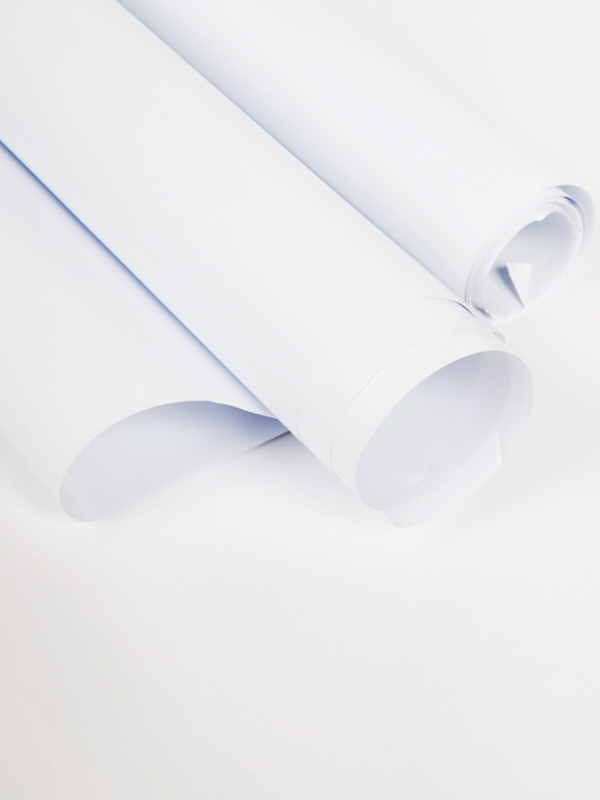
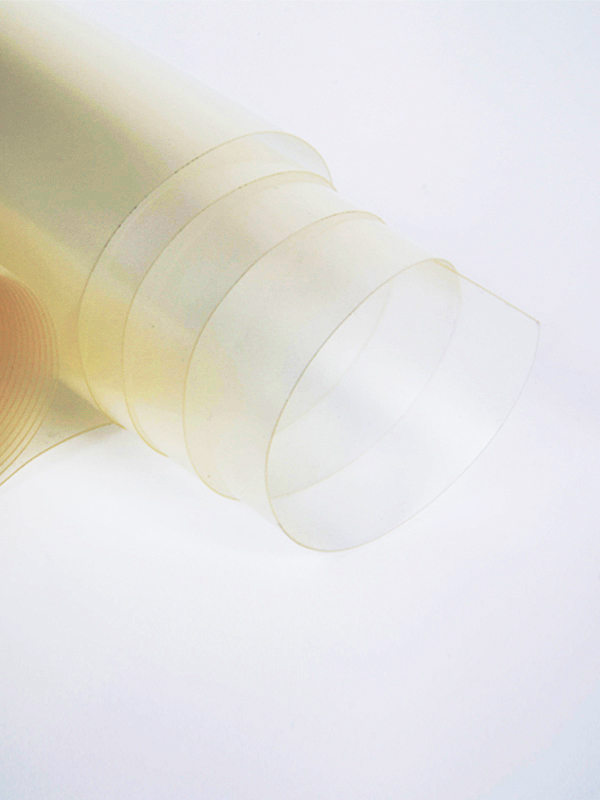
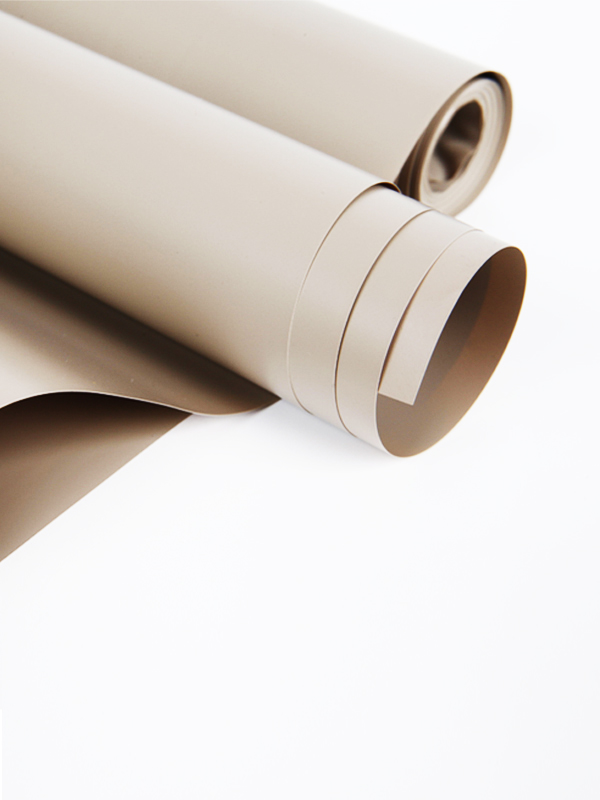
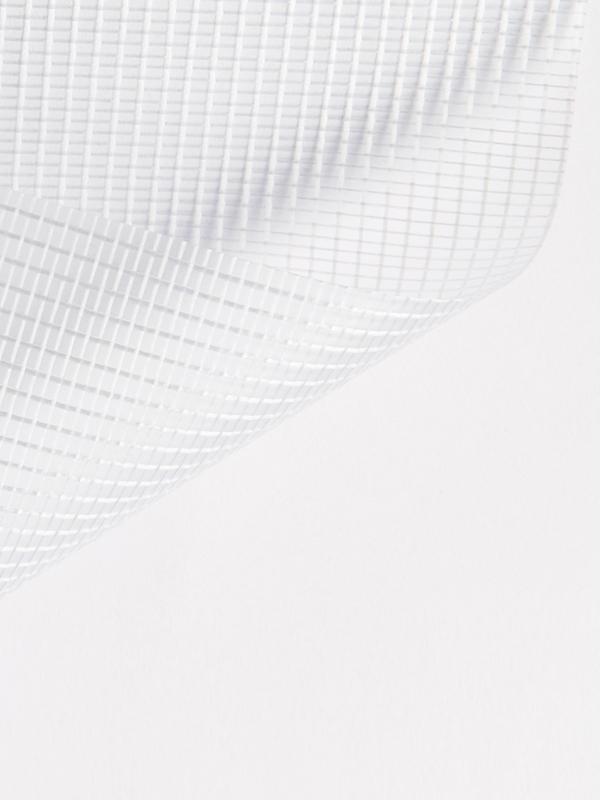
PVC ceiling film is essentially a thin, stretchable sheet produced from polyvinyl chloride. The surface receives specialized treatments—printing, texturing, or coating—so that it can reproduce a wide variety of appearances. Some versions mimic natural wood planks, polished stone, brushed metal, fabric weaves, or plain matte and glossy solids. Others carry subtle geometric patterns, cloud-like gradients, or even photographic reproductions of sky or foliage. This range allows the ceiling to become an active participant in the room's design language rather than a neutral background.
Traditional ceiling finishes—gypsum plasterboard with joint compound and paint, acoustic mineral-fiber tiles, tongue-and-groove wood, or suspended metal grids with panels—have served buildings reliably for decades. Each method carries its own strengths, but also limitations that become noticeable in certain conditions. PVC ceiling film addresses several of these limitations in a single product category.
Performance in Humid and Wet Environments
Bathrooms, kitchens, laundry areas, covered patios, indoor swimming pools, and spa facilities expose ceilings to persistent moisture. Condensation forms readily on cooler surfaces, steam rises during showers or cooking, and occasional splashes reach upward. Materials that absorb water—even in small amounts—can develop dark stains, soft spots, bubbling paint, or mold colonies over months or years. Once mold takes hold, remediation becomes time-consuming and costly.
PVC ceiling film behaves differently. The material itself repels liquid water and does not provide a food source for mold spores. When installed correctly, the tensioned sheet creates a continuous, non-porous plane with no gaps or seams that allow vapor to penetrate to the substrate. This characteristic reduces the conditions that support microbial growth and prevents the gradual deterioration seen in absorbent or semi-permeable finishes.
Maintenance follows a simple routine. A microfiber cloth dampened with mild soap solution removes cooking grease, soap residue, or water marks. No sanding, repainting, or replacement of stained sections is typically required. The surface retains its original color and texture through repeated cleaning cycles, which proves valuable in rental properties, hospitality rooms, and healthcare facilities where frequent upkeep is expected.
Durability Over Time
Beyond moisture performance, the film demonstrates resistance to several common forms of degradation. Ultraviolet light from windows or artificial sources can cause yellowing or chalking in some plastics, but modern formulations include stabilizers that slow these changes noticeably. Minor scuffs from accidental contact with ladders, curtain rods, or cleaning poles rarely leave permanent marks. The material does not become brittle with age under normal indoor temperature ranges, so cracking or shattering remains uncommon.
Dimensional stability also contributes to long-term appearance. The film experiences minimal expansion or contraction with seasonal humidity swings or moderate heating and cooling cycles. This stability prevents the waviness or sagging sometimes observed in older suspended-tile systems or poorly tensioned fabric alternatives.
| Aspect | Key Performance Feature | Benefit / Comparison to Alternatives |
|---|---|---|
| UV Resistance | Stabilizers in modern formulations slow yellowing/chalking | Maintains original color longer than unstabilized plastics |
| Scratch / Scuff Resistance | Minor marks from ladders, rods, or poles rarely permanent | Better everyday resilience than fragile painted or textured finishes |
| Aging & Brittleness | Does not become brittle under typical indoor temperatures | Avoids cracking/shattering seen in some aging rigid materials |
| Dimensional Stability | Minimal expansion/contraction with humidity or temperature changes | Prevents waviness or sagging common in suspended tiles or loose fabrics |
Indoor Environmental Quality
Awareness of indoor air quality has increased in both residential and commercial settings. Occupants want assurance that finishing materials do not continuously release odors, fine particles, or chemical compounds that could affect comfort or health. PVC ceiling film, when produced to current standards, typically emits very low levels of volatile substances after the initial installation period. The finished surface carries no persistent smell that lingers in the room.
Dust accumulation tends to be lower on smooth, non-textured versions compared with porous acoustic tiles or textured plaster. Less dust means fewer allergens circulating when air moves through the space, which benefits households with allergy concerns or facilities that require cleaner air.
Installation Process and Disruption
What draws many people to PVC ceiling film becomes clear the moment installation begins. Unlike traditional ceiling work that involves glue, screws driven into every panel, or layers of wet plaster and joint compound spread across the whole area, this method depends entirely on mechanical stretching and heat. No heavy demolition tools, no clouds of drywall dust, no buckets of mud drying overnight.
The work starts with fixing a slim perimeter track—typically lightweight aluminum or sturdy plastic—around the room at the height where the new ceiling will sit. This track can hug the existing surface directly or drop down a few inches to hide exposed wires, plumbing, or duct runs. Once the track is level and secure, the installer unrolls a sheet of film that has been cut a little larger than the room's actual dimensions. The edges lock into a groove or clip system built into the track. Then comes the key step: a handheld heat gun moves slowly across the surface. As the film warms evenly, it shrinks back toward its original size, pulling itself taut like a drumhead. Wrinkles disappear, slack vanishes, and within minutes the ceiling looks perfectly flat and seamless.
Because nothing is being cut, sanded, or mixed on site, the job stays remarkably clean. Dust production stays near zero. Noise is limited to the quiet whoosh of the heat tool and occasional conversation between installers. In homes where people still live, in offices during business hours, in hotels with guests on the floor above, or in clinics where patients are present, that low disruption level changes everything. Normal routines can continue in nearby rooms with almost no interruption—no need to relocate furniture to another building or close a business for days.
Speed is another clear advantage. An average bedroom, bathroom, or small commercial space can be completed in one working day. Larger rooms or open-plan areas take longer, but the absence of waiting periods for paint to dry, plaster to cure, or adhesives to set keeps the timeline short. For property owners and contractors alike, finishing a project in hours rather than days or weeks often makes the difference in scheduling and cost.
The material's flexibility shines when the ceiling is anything but flat and square. Vaulted pitches, barrel curves, stepped trays, lowered bulkheads, coves around perimeter lighting, or even gentle arches can be covered without special molds or custom-cut rigid panels. The film simply stretches and conforms as it shrinks. Holes for downlights, exhaust fans, smoke detectors, sprinkler heads, or audio speakers are cut precisely before tensioning; the edges tuck neatly into the profile so nothing looks patched or awkward. Even ceilings that already have small cracks, water stains, or slight unevenness can stay in place—the stretched film bridges those flaws and creates a fresh, smooth plane overhead.
Fire Behavior and Regulatory Acceptance
Fire safety weighs heavily when choosing any ceiling finish, especially in multi-occupant buildings. When a flame reaches PVC ceiling film, the material does not burn aggressively. Instead it softens, pulls away from the heat source, and tends to self-extinguish once the direct flame is removed. Many versions include flame-retardant additives that slow flame travel and keep smoke generation lower than what occurs with some untreated plastics or highly combustible organics. That behavior buys precious minutes for people to exit safely and for responders to arrive.
Building officials in numerous jurisdictions have reviewed test data and approved the material for use in places where fire codes set strict limits—corridors, stairwells, assembly halls, classrooms, waiting areas, patient rooms, hotel lobbies, and dining spaces. The continuous, unbroken surface also avoids a secondary hazard common with some older acoustic tiles: during intense heat those tiles can release loose fibers or granules that drop and add to airborne debris. A tensioned PVC sheet stays intact far longer under rising temperatures.
Aesthetic Range and Creative Possibilities
The visual options available today explain why designers keep returning to this material. Surface treatments cover everything from quiet matte finishes that diffuse light gently—ideal for bedrooms, therapy rooms, or quiet offices—to higher-gloss or semi-gloss versions that bounce light around, making narrow hallways or small powder rooms feel more open and airy.
Metallic looks—silver, warm gold, aged bronze, copper patina, or satin steel—add a layer of sophistication to entry foyers, bar counters, boutique changing rooms, and restaurant accent walls. Printed reproductions bring believable natural textures: straight-grain oak, weathered walnut, honed limestone, veined marble, raw concrete, linen weave, or distressed leather. Beyond realistic materials, the surface can carry abstract gradients, soft watercolor washes, geometric grids, or custom artwork that ties the ceiling directly to the room's theme.
Lighting takes the design even further. Some film grades let a measured amount of light pass through, opening the door to hidden LED tape in the perimeter track, creating a floating glow around the edges. Backlighting can produce a soft, even wash, a halo effect, or programmable color shifts. Tiny fiber-optic endpoints punched through the film can mimic a night sky full of stars or a gentle constellation pattern. The ceiling stops being just an overhead cover and starts contributing actively to mood and atmosphere.
Typical Application Contexts
Homeowners use the film to update tired or water-damaged ceilings in bathrooms and kitchens without tearing everything apart. Renters like the reversible nature—no permanent damage to the original structure—and owners value the speed when preparing a property for sale or new tenants.
In commercial renovations—coffee shops, hair salons, coworking desks, private dental practices, physiotherapy studios—the material allows owners to refresh the look and meet hygiene standards while closing for only a day or two instead of a week or more.
| User / Setting | Key Application Benefit | Main Advantages for the User |
|---|---|---|
| Homeowners (residential) | Refresh outdated or water-damaged ceilings in bathrooms and kitchens | No full demolition required; quick cosmetic upgrade |
| Renters | Reversible ceiling refresh | No permanent changes or damage to landlord’s original structure |
| Property owners / landlords | Fast ceiling update when preparing for sale or new tenants | Minimal downtime; improves marketability quickly |
| Commercial renovations | Refresh look in coffee shops, hair salons, coworking spaces, dental practices, physio studios | Meets hygiene standards; business closes for only 1–2 days max |
Hotels and resorts apply it in guest corridors, suite bathrooms, spa treatment rooms, and breakfast areas. The combination of moisture resistance, quick installation during low seasons, and design flexibility helps maintain brand consistency across properties.
Schools, daycare centers, municipal buildings, and community halls choose it for durable, wipe-clean surfaces that stand up to frequent handprints, marker smudges, and the occasional bump from furniture.
Continued Evolution
Manufacturers keep improving the product in small but meaningful ways. New topcoats resist scratches and fingerprints better. Anti-static layers cut down on dust clinging to the surface. Printing technology delivers crisper details and more accurate color matching. The perimeter profiles, tension clips, and heat guns themselves are becoming lighter, more comfortable to hold, and easier to control.
Sustainability work focuses on incorporating higher percentages of recycled content, researching plasticizers derived from renewable sources, and creating clearer pathways for collection and processing once the film reaches the end of its service life. These efforts answer the growing expectation that high-performance finishes should also be produced and managed responsibly.
Training for installers has expanded, with hands-on workshops teaching correct profile leveling, sheet sizing, heat patterns, and troubleshooting techniques. Better-trained crews produce tighter, more consistent results and reduce callbacks.
Why Choose Shanghai MSD
In an industry where ceiling finishes must deliver consistent performance, visual appeal, and minimal disruption to ongoing operations, Shanghai MSD stands apart through its dedicated focus on high-quality PVC ceiling film solutions. Every product reflects careful attention to the details that matter in real-world installations: reliable tensioning behavior across different room shapes, dependable moisture and mold resistance in demanding environments, rapid and low-mess application that respects occupied spaces, and a broad selection of surface finishes that complement any design direction. Contractors value the straightforward profile systems, predictable heat-shrinking response, and consistent material behavior that reduce callbacks and speed up project handovers.
Above all, Shanghai MSD recognizes that a ceiling is more than a covering—it is an integral part of the interior experience, influencing light, acoustics, perceived space, and peace of mind. Choosing Shanghai MSD means partnering with a team that treats torque-like precision in film tensioning, thoughtful material formulation, and installer support as the foundation for lasting results, helping every project—from compact residential bathrooms to expansive commercial lobbies—achieve a clean, attractive, and worry-free ceiling that performs quietly for years to come.