 DOWNLOAD
 English
 русский
 Français
 Español
 عربى

Content
- 1 Material Makeup and Manufacturing Process
- 2 Performance in Humid, Hot, or Noisy Spaces
- 3 Comparison with Conventional Ceiling Systems
- 4 Visual and Practical Benefits
- 5 Care Routines and Durability Factors
- 6 Residential Settings
- 7 Commercial and Public Spaces
- 8 Practical Tips and Solutions
- 9 Resource and End-of-Life Handling
- 10 Market Trends and Future Path
- 11 Shanghai MSD International Trade Co., Ltd.
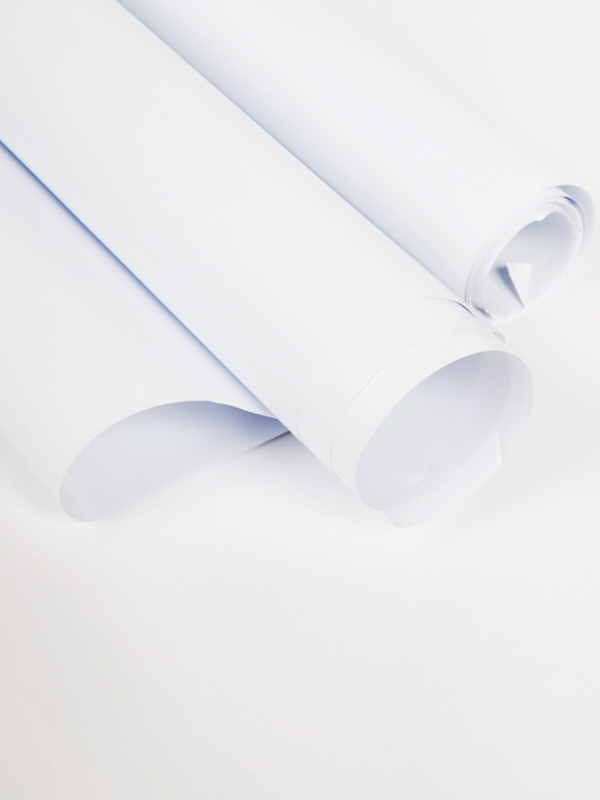
PVC Ceiling Film has become a reliable and adaptable choice for overhead surfaces in modern interiors. It provides a lightweight, stretchable sheet that installs on perimeter frames to form smooth, continuous planes. This material suits homes, offices, retail spaces, hospitality venues, educational facilities, healthcare settings, and public buildings, where it combines visual appeal with functional advantages like moisture resistance and simple upkeep.
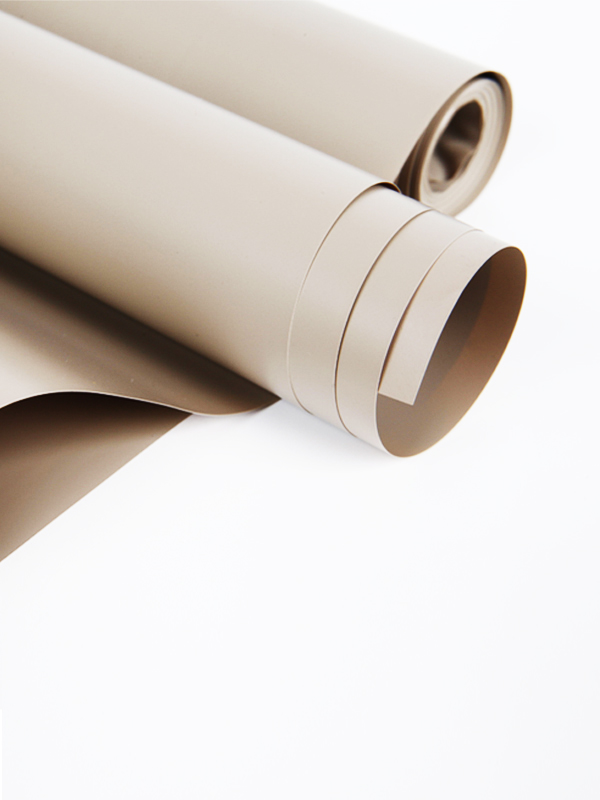
The film relies on polyvinyl chloride resin as its main component. Additives mix in to give flexibility, protect against light and heat exposure, and create suitable surface properties for decoration. Production heats the blend and shapes it into thin sheets using extrusion or calendering. These steps produce rolls of consistent thickness with a base prepared for printing, texturing, or solid coloring.
In rooms exposed to steam, condensation, or high humidity—kitchens, bathrooms, laundry areas, indoor pools, or basements—the closed, non-absorbent structure keeps water from penetrating. Moisture sits on the surface and wipes away easily, helping avoid swelling, mold growth, discoloration, or structural weakening that can happen with more absorbent materials.
Design range counts as one of its strongest features. Printing applies solid colors, repeating motifs, geometric arrangements, or lifelike reproductions of natural surfaces like wood grain, stone patterns, concrete textures, or fabric looks. Finishes extend from high-gloss reflective to soft matte. Glossy surfaces reflect and scatter light widely, making rooms appear brighter and more spacious. Matte finishes diffuse illumination gently, cutting glare in brightly lit spaces and supporting quieter visual environments.
| Aspect | Key Features / Options | Practical Benefits / Effects |
|---|---|---|
| Design Variety (Printing) | Solid colors, repeating motifs, geometric patterns, lifelike reproductions (wood grain, stone patterns, concrete textures, fabric looks) | Enables customization to match diverse interior styles and themes |
| Surface Finishes | High-gloss reflective to soft matte | Glossy: reflects and scatters light widely → rooms feel brighter and more spacious Matte: diffuses light gently → reduces glare, creates calmer visual environment |
| Overall Design Strength | Broad range of colors, patterns, and finishes | Supports creative flexibility and adaptation to different lighting and spatial needs |
Installation uses a systematic, low-impact approach. Lightweight metal channels attach to walls or ceiling joists to outline the desired plane. The film unrolls across the opening and warms gradually with controlled heat until it softens. Gentle stretching locks the edges into the holding channels. Cooling brings slight contraction that tightens the whole surface evenly, creating a flat, wrinkle-free ceiling. Openings for recessed lights, vents, sprinklers, speakers, or sensors get cut precisely and sealed with trim pieces to keep the installation clean and airtight. The method creates little dust, noise, or debris, which works well in occupied buildings, staged renovations, or projects on tight schedules.
Care routines stay basic and quick. Dust, fingerprints, light grease, or cooking vapors lift with a damp cloth and mild household cleaner. The smooth surface resists common stains and does not need polishing, sanding, or repainting. Abrasive pads or strong solvents remain unnecessary to protect the finish. Every few months—or more often in rooms with temperature changes or heavy use—check the perimeter edges for any slight relaxation. A short re-stretch or clip adjustment usually brings back full tension before sagging becomes noticeable.
The film adds a small thermal barrier by slowing heat movement through the ceiling plane. This helps keep indoor temperatures steadier and can lessen minor heat gain or loss. Reflective or semi-reflective variants bounce daylight around the room more evenly, reducing dark corners and cutting down on the need for extra artificial lighting during the day. These traits contribute to everyday comfort with modest additional effort or energy.
Material Makeup and Manufacturing Process
Polyvinyl chloride chains form the core structure. Plasticizers bring the needed bendability, stabilizers shield against heat and ultraviolet damage, and other elements adjust color, opacity, or flame-retardant behavior when safety rules require it.
Extrusion warms the compound and pushes it through dies to create continuous sheets with uniform width and thickness. Calendering sends the material between heated rollers to smooth the surface and control gauge precisely. Both methods yield rolls ready for next steps like corona treatment to help inks stick better or protective coatings to boost scratch resistance.
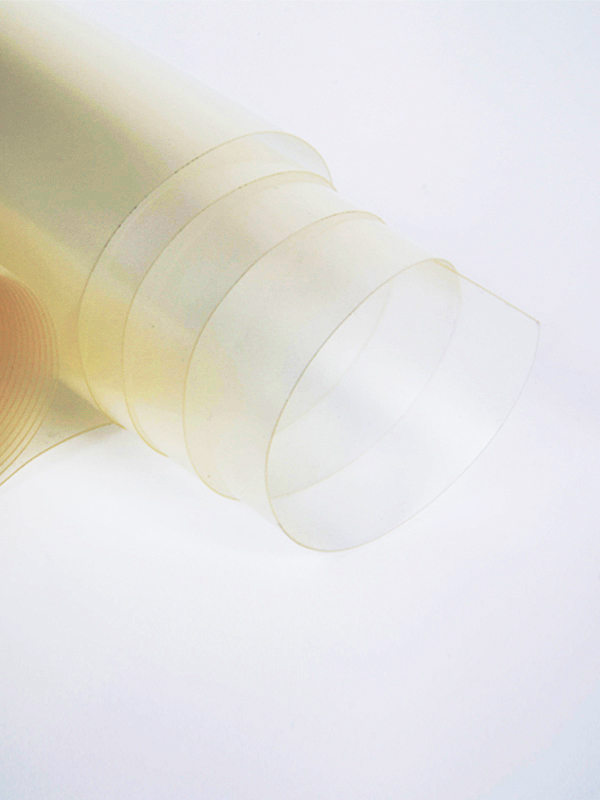
Quality steps inspect rolls for pinholes, streaks, or inconsistencies, measure dimensions, and test basic strength and flexibility before packaging. Variations cover translucent films for backlighting, thicker grades for wider spans, and layered versions that dampen sound reflection.
Performance in Humid, Hot, or Noisy Spaces
The non-porous makeup blocks water from entering. Water beads up and rolls off instead of soaking through, keeping the film stable and free from mold or biological growth in damp rooms.
Temperature handling fits normal indoor conditions. Intense, focused heat from unshielded spotlights, heat lamps, or cooking exhausts needs proper distance or diffusers so the film never gets hot enough to soften locally.
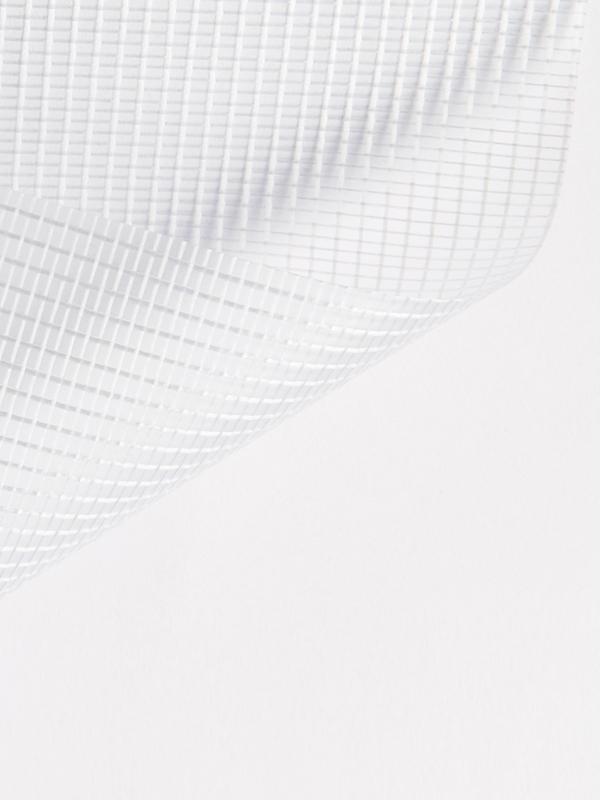
Some formulations use layered builds or tiny perforations to cut sound bounce, making larger rooms, open offices, multipurpose halls, or high-ceiling areas feel quieter and more comfortable.
Comparison with Conventional Ceiling Systems
Gypsum board gives rigid, paintable planes with built-in fire resistance. Long exposure to humidity can soften it, cause sagging, or encourage mold unless sealed carefully.
Suspended acoustic tiles allow access to overhead services and absorb sound but usually need heavier grids and can create metallic echoes in noisy settings.
Wood or composite panels provide natural warmth and texture but require regular sealing against moisture, insects, decay, and wear. Maintenance often includes refinishing or protective treatments.
PVC ceiling film stresses fast setup, light weight, and strong moisture resistance. It delivers similar seamless looks to other systems while making transport, handling, and ongoing care easier.
Visual and Practical Benefits
Finishes range from quiet neutrals to more noticeable effects. Reflective types spread light widely, helping rooms feel brighter and larger. Matte surfaces soften illumination and reduce glare.
Printed patterns work as subtle backgrounds or clear focal elements. Repeating designs tie large spaces together; targeted motifs draw attention to specific areas or features.
The film's flexibility lets it follow gentle curves, vaulted ceilings, or unusual room shapes, opening up possibilities in standard and custom layouts.
Care Routines and Durability Factors
Cleaning uses routine wiping to clear surface dust or marks. Mild cleaners work well; abrasive tools or harsh chemicals stay unnecessary to keep the finish intact.
Regular edge checks spot early relaxation from seasonal temperature shifts or minor building movement. Quick re-tensioning brings back original flatness.
Unused rolls or cut pieces store flat or loosely rolled in dry, moderate conditions to prevent sharp creases or shape changes.
Durability comes from resistance to fading, cracking, staining, and light impacts. These qualities lower replacement frequency in everyday residential and commercial use.
Residential Settings
Living rooms and family areas gain polished ceilings that match furniture, wall colors, and flooring. Subtle patterns keep the backdrop calm; stronger designs add personality.
Kitchens stay clean and bright despite steam, grease, and splatters. The wipeable surface deals with residues without trouble.
Bathrooms keep a fresh look through ongoing humidity and condensation. Reflective finishes make small spaces feel larger and brighter.
Bedrooms often use softer tones or quiet textures that help create restful surroundings. The insulating layer supports steadier sleeping temperatures.
Commercial and Public Spaces
Offices end up with neat, professional ceilings that adjust quickly to layout changes, branding updates, or team shifts without big rework.
Retail stores benefit from even light spread that highlights shelves and displays. Printed graphics carry logos, promotions, or wayfinding without extra signs.
Hospitality spaces—hotels, restaurants, event venues—add thematic or mood-setting designs that improve guest experience in lobbies, dining areas, and function rooms.
Public buildings like schools, clinics, libraries, and community centers count on toughness under constant use, easy cleaning, and low repair needs.
Practical Tips and Solutions
Fixtures with concentrated heat—spotlights, heat lamps, kitchen hoods—need enough space or diffusers so the film stays safe from softening.
Any faint smell right after installation disappears fully within a day or two once the room gets good airflow.
Continued work on formulations chooses safer additives and tightens factory controls to keep emissions lower.
| Aspect | Key Issue / Consideration | Recommended Solution / Outcome |
|---|---|---|
| Heat Exposure | Fixtures producing concentrated/intense heat (spotlights, heat lamps, kitchen hoods) | Provide sufficient clearance or install diffusers to prevent localized softening of the film |
| Initial Odor | Faint smell present immediately after installation | Odor disappears completely within 1–2 days with proper room ventilation and good airflow |
| Emissions & Formulation | Potential for emissions during use | Ongoing formulation improvements select safer additives and tighten factory process controls to further reduce emission levels |
Resource and End-of-Life Handling
Long service life cuts down on replacement cycles, saving materials and reducing waste over the years.
In places with recycling or reprocessing systems, old film can go into collection programs and turn into secondary items like protective covers, industrial barriers, or filler stock.
Manufacturers focus on using raw inputs and energy more efficiently to lower the overall environmental load.
Market Trends and Future Path
Steady home refreshes, office updates, retail renovations, and new public projects keep interest in fast, low-disruption ceiling options.
Modular construction and accelerated timelines favor lightweight, ready-to-install components.
Urban growth favors materials that make the of available space without adding heavy structural demands.
Regional differences guide choices: humid areas value moisture resistance, colder zones appreciate insulation, dense cities prioritize speed and clean looks.
Gradual advances aim at better surface toughness, simpler recycling, and partial use of alternative materials while keeping performance strong.
Explorations look at combining the film with smart lighting, air sensors, or other features in specialized uses.
Greater attention to responsible sourcing, reduced-impact production, and stronger recovery systems will keep shaping the material's development.
Shanghai MSD International Trade Co., Ltd.
In the evolving landscape of interior design, PVC ceiling film continues to carve out a meaningful place by bridging creative expression with everyday practicality—delivering seamless, light-enhancing surfaces that resist moisture, clean effortlessly, and adapt to shifting spatial needs without heavy reconstruction. From residential rooms seeking a calm, cohesive overhead to commercial venues requiring quick rebranding or high-traffic durability, the material supports designers and property owners who value both immediate visual impact and long-term manageability.
Shanghai MSD International Trade Co., Ltd. plays a significant role in this domain as a dedicated manufacturer and exporter of premium PVC ceiling films and related flexible products, consistently prioritizing formulations that combine reliable printability across glossy, matte, and textured finishes with improved environmental considerations and consistent quality control.