Industry News

Home / News / Industry News / The Use of Seamless Artistic Wall Cloth

The Use of Seamless Artistic Wall Cloth

Seamless Artistic Wall Cloth represents a practical and visually unified way to cover interior walls. Unlike conventional wallpaper that arrives in narrow rolls and requires careful matching at every vertical join, this material is produced in much wider panels or continuous lengths. When applied correctly, the result is a single, uninterrupted surface where patterns, textures, and colors extend naturally from one edge of the wall to the other. The absence of repeating seams changes how a room is perceived—spaces often appear larger, calmer, and more intentional.

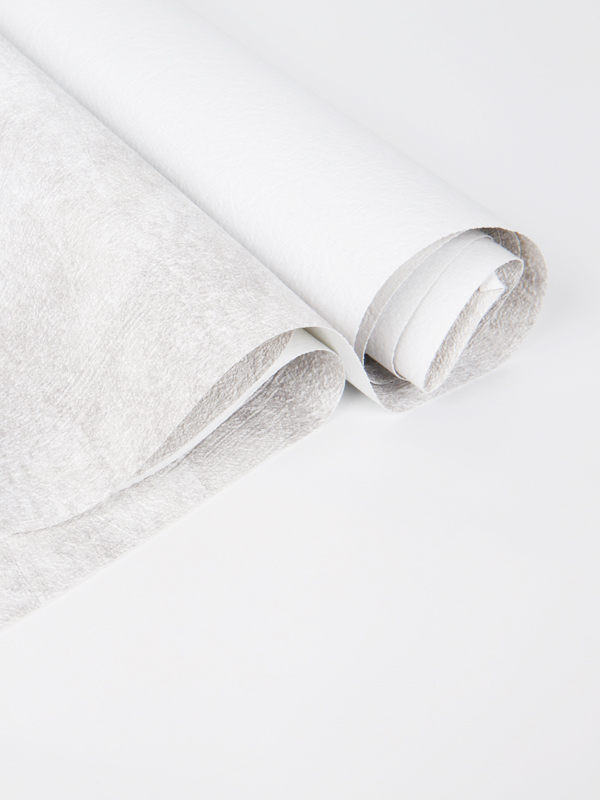
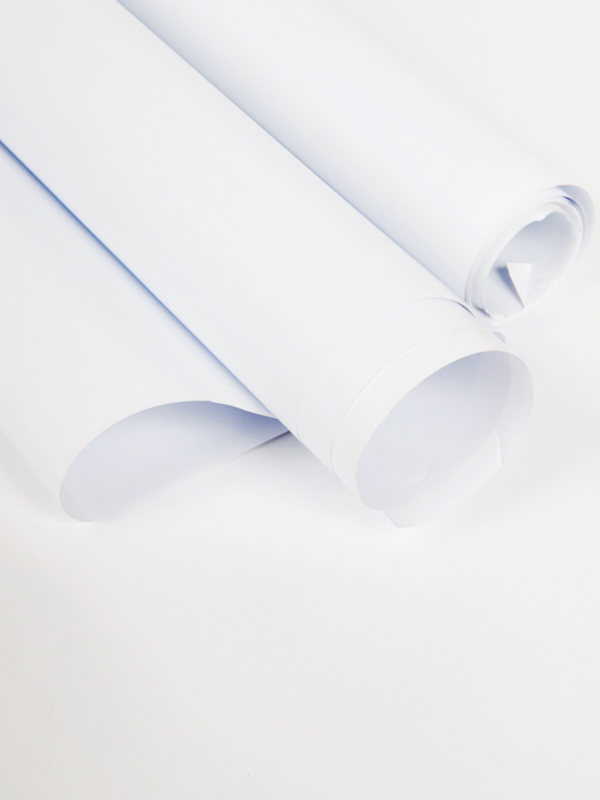
The construction usually begins with a non-woven base layer that provides dimensional stability. This backing resists stretching during installation and prevents shrinkage as the material settles. A surface coating—frequently vinyl-based—adds protection against light wear, moisture, and everyday contact. The combination allows the cloth to accept high-resolution printing, embossing, or surface treatments that create raised effects. Some versions incorporate a thin foam or textile layer for added softness or slight sound absorption. The final product arrives in large rolls, sometimes several feet wide, so a single drop can cover an entire wall height in many standard rooms.

Design possibilities are extensive. Patterns range from understated linear repeats to large-scale florals, abstract brush strokes, photographic reproductions, or hand-drawn illustrations. Textures simulate materials such as linen weave, cracked plaster, brushed concrete, leather grain, or fine wood. Surface finishes vary from completely matte to subtle sheen, with occasional metallic or pearlescent accents that catch light differently depending on the time of day or artificial lighting. Color palettes include soft neutrals for background roles, warm earth tones for cozy settings, cool tones for calm workspaces, and stronger accents for feature walls. Because the design continues without interruption, even intricate or oversized motifs maintain their intended scale and impact.

In residential interiors, the material is frequently chosen to refresh living spaces without major structural work. Living rooms gain a polished backdrop that complements furniture and artwork. A subtle stripe or tonal texture can make the space feel more cohesive, while a larger scenic print can create the illusion of depth in compact rooms.

Room / Area Purpose / Use Case Design Examples / Effects
Residential Interiors (General) Refresh living spaces without major structural changes Provides updated look with minimal disruption
Living Rooms Creates polished backdrop that complements furniture and artwork Enhances cohesion and visual harmony
Compact / Smaller Rooms Adds sense of depth and spaciousness Larger scenic prints create illusion of more space
Various Rooms Achieves subtle or bold visual improvements Subtle stripes or tonal textures for cohesive feel

Bedrooms often receive softer, quieter designs—gentle cloud gradients, faint botanical outlines, or textured solids that encourage rest. Entryways and corridors benefit from continuous vertical patterns that guide the eye along the length of the space, making narrow areas feel less confined. Kitchens and bathrooms use moisture-resistant versions that handle steam and splashes while adding character to otherwise utilitarian surfaces.

Installation follows a logical sequence. Walls require basic preparation: cleaning to remove dust, grease, or old wallpaper residue; patching significant cracks or holes; and sanding rough spots smooth. In some cases a thin lining paper or primer improves adhesion and evens absorption. Adhesive is spread directly on the wall surface using a roller or brush. The wall cloth is then positioned, starting from a plumb vertical line, and smoothed downward and outward to expel air. A plastic smoother or soft brush helps press the material firmly into place without stretching it unevenly. Edges are trimmed at ceilings, baseboards, and corners using a sharp blade and straight edge. Around windows, doors, and outlets, careful cuts ensure clean transitions. Wider panels reduce the number of joins, which simplifies pattern matching and shortens overall time on site.

Professional installers usually team up for bigger walls—one person supports the top edge to keep it steady while the other guides the bottom down and lines it up with the plumb line. The cloth has enough give to let you make small corrections if something starts to drift, and if a stubborn spot refuses to lie flat, a quick pass with a heat gun softens it just enough to settle snugly against the wall. After the adhesive sets fully, the covering stays put under typical indoor conditions—no curling, no bubbling, no surprises. The whole job creates far less dust, debris, and disruption than stripping off old layers of wallpaper, patching plaster, or rolling on multiple coats of paint that need drying time between them.

Day-to-day care is simple and doesn't take much effort. Smooth or lightly textured surfaces don't trap dust the way deep embossing or rough finishes do, so a quick pass with a dry microfiber cloth or a vacuum brush attachment usually takes care of it. Fingerprints, light scuffs, or the occasional mark from kids or pets come off with a cloth lightly dampened in plain water or a very mild cleaner. Heavy scrubbing is rarely necessary. The non-porous coating on many types resists stains and doesn't soak up smells the way untreated paper or some paints can. In bathrooms, kitchens, or other humid rooms, the moisture-resistant kinds prevent bubbling or mold when condensation forms occasionally. Keeping up with light, regular wiping maintains the clean look and keeps the surface hygienic over time.

Commercial spaces make heavy use of seamless wall cloth because it helps build consistent, professional-looking interiors. Office lobbies and reception areas often get calm, low-key patterns or soft textures that feel welcoming without being distracting. Meeting rooms use subtle designs that cut down on visual fatigue during long discussions. Retail shops apply larger prints or tactile finishes to direct customer attention or emphasize product zones. Restaurants choose looks that match their style—warm wood-like effects for traditional spots, clean geometrics for modern ones. Hotels put continuous patterns in corridors and lobbies to create a sense of flow from one area to the next. The fast application is a big plus in occupied buildings, since the place can stay open with minimal downtime.

Events and short-term setups take full advantage of how easily the cloth goes up and comes down. Wedding venues, conference centers, exhibition booths, and pop-up shops use it to turn plain rooms into themed environments quickly. A solid color can serve as a clean backdrop for photos or presentations, while printed scenic or decorative designs set the mood for dinners, product launches, or parties. Because it sticks to the surface without soaking into or damaging the wall underneath, removal is clean in cases—no scraping, no patching needed. That reversibility is ideal for rented venues or spaces where permanent changes aren't allowed.

In artistic and creative work, seamless wall cloth acts as a large-scale surface for expression. Artists print custom artwork that covers full walls or entire rooms, creating enveloping installations in galleries, studios, or public projects. Without seams breaking the flow, lines, colors, and forms continue smoothly, making the piece feel more immersive. Photographic prints, abstract compositions, typographic statements, or reproductions of hand-painted work all benefit from the uninterrupted scale. Temporary art shows in vacant buildings, community centers, or outdoor structures use it because it's portable and doesn't require invasive mounting. After the exhibit, the cloth can be removed, rolled up, stored, or reused for other projects.

Photography and video shoots lean on seamless wall cloth for backdrops all the time. Plain colors give shadow-free, even surfaces for portraits, product shots, or fashion work. Printed patterns provide context—rustic wood for lifestyle images, urban concrete for editorial, soft gradients for beauty or headshots. The wide format means no visible joins in frame during wide shots or camera pans. Rolls pack down small for transport to location jobs, and setup only needs temporary supports, clamps, or adhesive tabs. The light weight and flexibility make it easy to adjust on the fly if lighting or framing changes.

Some versions add modest acoustic or thermal benefits. A few cloths include a thin foam layer that softens sound reflections, cutting down on echo in open-plan living rooms, meeting spaces, or restaurants. It won't replace purpose-built acoustic panels, but it noticeably improves speech clarity and general comfort. Certain types have insulating properties that slow heat movement through walls, helping keep indoor temperatures steadier. These extras are handy in older buildings or rooms with minimal existing insulation.

The cloth's low weight is a practical advantage. It puts almost no extra load on walls or ceilings, unlike thick plaster, layered drywall, or heavy acoustic boards. That makes it a safe choice for older structures with questionable framing or in any space where added mass needs to stay minimal. It also makes handling easier—carrying rolls up stairs, through doorways, or into tight upper floors is far simpler than wrestling with heavier alternatives.

Aspect Description / Feature Benefit / Outcome
Low Weight Adds almost no extra load to walls or ceilings Safer for older buildings with limited structural capacity
Comparison to Alternatives Unlike thick plaster, layered drywall, or heavy acoustic boards Avoids excessive mass on questionable framing
Structural Safety Minimal added weight Ideal for any space where extra load must be limited
Handling & Portability Light rolls easy to carry Simplifies transport up stairs, through doorways, or into tight upper floors

Color and texture shape how people feel in the room. Light neutrals make small spaces seem more open. Warm tones add closeness to living or dining areas. Cooler shades help focus in work zones. Textures bring dimension—linen-like weaves soften sharp edges, plaster-style surfaces give character to minimalist designs. The seamless application strengthens these impressions because the wall reads as one continuous element instead of broken-up sections.

The material adapts easily to seasons. Lighter patterns and matte finishes brighten rooms during longer, sunnier months. Deeper textures and richer colors bring warmth when days shorten and light is lower. Changing curtains, rugs, pillows, or lamps lets you shift the mood without touching the walls. That flexibility keeps the covering relevant year after year.

Combining it with other surfaces builds richer interiors. Painted trim, exposed brick, reclaimed wood, or metal accents next to the wall cloth create contrast that highlights its texture or pattern. Furniture placement can frame the design, drawing the eye toward it. Architectural features—fireplaces, arches, built-in shelving—blend smoothly when the cloth wraps around them naturally.

Cost reflects the size and finish level. Wider panels and higher-quality coatings cost more per roll than standard narrow wallpaper, but fewer seams mean less waste and often longer wear. Professional installation increases the total but delivers the clean, seamless result the material is designed for. Smaller rooms or simpler patterns make DIY possible for those who want to save on labor.

Application has some challenges. Large sheets can be tricky to maneuver without creases or trapped air. Room temperature and humidity influence how long the adhesive stays workable, so stable conditions help. Matching intricate patterns around openings requires careful planning. Experienced installers use small tricks—temporary pins, gentle folding, extra smoothing strokes—to manage these moments.

Seamless artistic wall cloth gives a clean, expressive way to treat interior walls. It brings visual flow and practical strengths together, working well in homes, offices, shops, events, art spaces, photography, and temporary setups. From understated textures that quietly add depth to bold designs that define a room, it fits many different styles and needs. With good wall prep, careful hanging, and regular light care, the surface becomes more than just a covering—it turns into a lasting part of the room's feel and character, holding up through daily life and changing seasons.

Shanghai MSD International Trade Co., Ltd

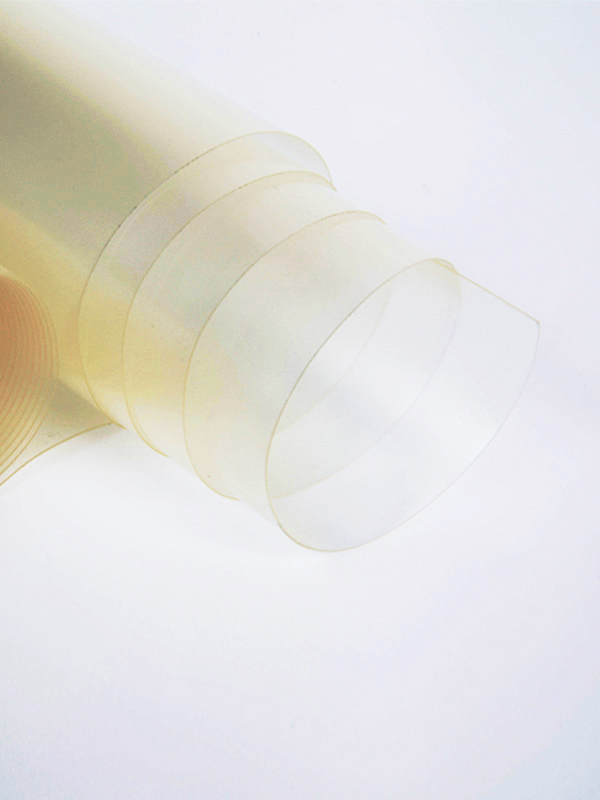
Shanghai MSD specializes in PVC ceiling film that brings together smooth, seamless aesthetics with practical everyday performance, making it a solid option for both residential and commercial ceiling updates. Their films deliver consistent quality across glossy, matte, satin, and textured finishes, creating bright, uniform surfaces that conceal minor imperfections and enhance room lighting without the need for extensive wall or ceiling preparation.

The material installs efficiently over existing surfaces, offers good resistance to moisture and normal wear, and keeps its color and appearance stable under typical indoor conditions. By emphasizing lightweight construction, straightforward application, low-maintenance cleaning, and adaptability to different interior styles—from homes and offices to hospitality venues and retail spaces—Shanghai MSD provides ceiling solutions that balance visual appeal with real-world functionality and cost considerations for owners.

Choosing Shanghai MSD means selecting a manufacturer focused on reliable, long-lasting PVC ceiling film that supports clean, modern results while simplifying the renovation process for installers and property.

Shanghai MSD International Trade Co., Ltd
With a registered capital of 139 million CNY, MSD is a high-tech enterprise integrating R&D, production and sales of high-end PVC products and decorative film materials, being founded in 2002 and located in Maqiao Warp knitting Park, Haining city, Zhejiang Province. MSD is specializing in the production of environmental friendly decorative materials, functional motion materials, flexible materials ect. The company owns the core technology which makes it to be the leading enterprise in PVC calendering coating industry. At present, the company has 1100 employees, including 120 technicians, and a factory area of 180,000 square meters. In 2021, the sales has reached 2.6 billion CNY.


Related Products