Industry News

Home / News / Industry News / The Working Principle of PVC FLEX BANNERS

The Working Principle of PVC FLEX BANNERS

PVC Flex Banner have established themselves as a staple in the signage and promotional display world. Printers and sign makers turn to this material regularly because it combines reasonable cost with solid outdoor performance and straightforward handling. Businesses of different sizes, event organizers, local governments, construction firms, retailers, and community groups use these banners for everything from short-term sales announcements to longer-term directional signs, safety messaging, and branding at public gatherings.

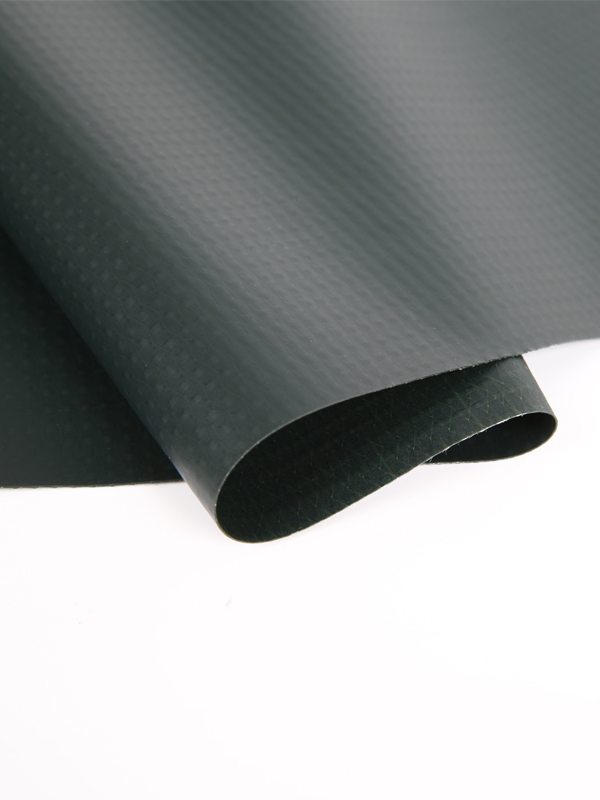
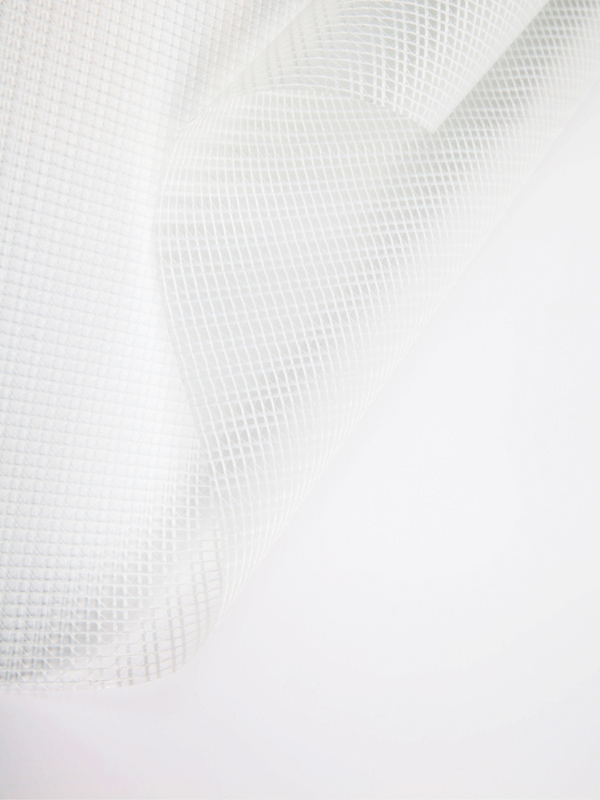
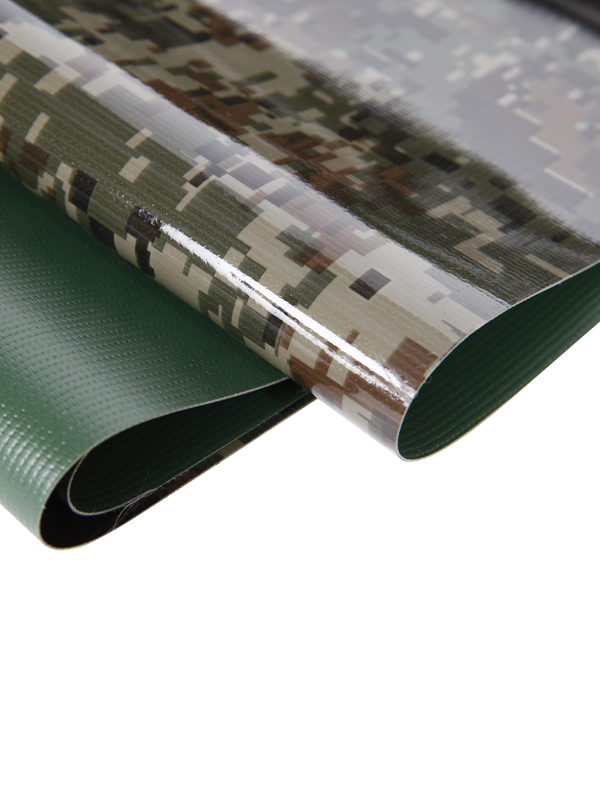
The basic construction consists of a tightly woven polyester base fabric that is coated on both sides with a flexible layer of polyvinyl chloride. This layered build delivers the strength to resist tearing, the suppleness to roll or fold without permanent damage, and a receptive surface for high-resolution printing. The coating also acts as a barrier against moisture, helping the banner stay intact when exposed to rain, morning dew, or high humidity.

One of the reasons people choose flex banners is their ability to cope with outdoor weather. Sunlight, wind, and temperature swings do not cause immediate breakdown when the material is produced with appropriate care. The PVC layer blocks water from reaching the polyester core, so the banner does not become heavy or begin to delaminate after a rain shower. Stabilizers added during manufacturing reduce the speed at which colors fade under ultraviolet light, allowing the printed message to remain readable for months or even a couple of years in typical daylight conditions. Roadside signs, building wraps, fence-line covers, and construction hoarding all benefit from this weather tolerance.

Aspect Mechanism / Feature Benefit / Outcome
Water Resistance PVC layer blocks moisture from reaching polyester core Banner stays light and prevents delamination after rain
UV Fade Resistance Stabilizers added during manufacturing Slows color fading; keeps message readable for months to years in normal daylight
Weather Tolerance Applications Roadside signs, building wraps, fence-line covers, construction hoarding Reliable performance in exposed outdoor environments

Wind loads represent a common challenge for outdoor signage. A banner that flaps violently in strong gusts can tear along the edges or develop permanent wrinkles. The internal polyester scrim spreads pulling forces across the entire sheet instead of concentrating them at weak points. Many banners include factory-finished details—reinforced eyelets, welded hems, double-stitched pockets, or rope tunnels—that make secure fastening easier. In locations known for frequent high winds, sign makers often select slightly heavier material or recommend additional horizontal bracing to keep the surface flat and reduce stress.

Tear resistance is valuable in places where people walk close to the sign or where equipment might brush against it. A small nick or puncture on a poorly reinforced material can quickly grow into a long rip, especially under tension. The polyester base acts as a natural stop layer, so damage stays localized. This characteristic means fewer banners need emergency replacement during a campaign, which helps keep costs predictable.

The flexibility of the material simplifies every stage of use. A finished banner rolls into a compact cylinder that fits in the trunk of a car, slides under a seat, or travels on public transport without difficulty. Rigid alternatives—aluminum composite panels, foam core boards, corrugated plastic, or acrylic sheets—are heavier and require careful handling to avoid dents or cracks. At the installation site, the banner unrolls smoothly and attaches with basic hardware: nylon rope, bungee cords, zip ties, metal grommet clips, or hook-and-loop straps. Removal is equally quick. The banner can be rolled again and stored flat or in a tube without developing lasting creases if it is not folded sharply.

Installation options extend beyond flat walls or fences. The material drapes naturally over curved architectural features, wraps around cylindrical columns, hangs as a double-sided vertical flag, or forms a three-dimensional display box when supported by an internal frame. This adaptability opens up creative placement in spots where flat rigid signs would be impractical.

Printing performance is a major reason flex banners remain in regular use. The coating provides a smooth yet slightly textured surface that accepts a wide range of modern inks—solvent-based, UV-curable, and latex formulations—without excessive absorption or bleeding. Wide-format digital printers reproduce sharp text, detailed photographs, smooth gradients, spot colors, and fine line work with minimal visible dot gain or banding. The ink forms a strong bond with the coating, so it does not flake, crack, or peel during normal handling or when the banner is exposed to weather. From close-up viewing in retail windows to long-distance readability on highways, the printed image holds its clarity.

Design freedom is broad. A banner can carry one dominant headline, a full-bleed image, multiple smaller photographs, QR codes, social media handles, contact information, or any combination of these elements. Designers can add drop shadows, outlines, halftone patterns, or transparency effects to improve legibility or visual interest. Because the material is printed in a single continuous piece, there is no risk of mismatched repeats or visible seams that sometimes appear on tiled rigid signs.

Cost considerations often tip the scale toward flex banners. The production process involves relatively few steps compared with cutting, routing, welding, or assembling illuminated sign cabinets. Raw material cost per square meter stays moderate, and digital printing eliminates the need for costly screens, plates, or setup runs. Finishing operations—adding hems, eyelets, pole pockets, banner tape, or reinforced corners—are quick and require minimal specialized labor. When budgets are limited, flex banners allow larger formats, higher quantities, or frequent design changes without pushing expenses out of reach.

Labor costs for installation remain low. Most banners do not require cranes, scaffolding, or heavy lifting equipment. A step ladder, tape measure, spirit level, and a few basic fasteners are usually enough. One or two people can complete the job in a short time, which is especially helpful for urgent jobs, seasonal promotions, or campaigns that must appear in multiple locations at once.

Cleaning requirements are minimal. Dust, pollen, bird droppings, road spray, or light grime can be removed with a soft brush, a garden hose on low pressure, or a cloth lightly dampened with mild soapy water. The ink sits embedded in the coating rather than resting on top, so gentle cleaning does not remove color or damage the print. Regular light maintenance keeps the banner looking fresh and preserves its visual impact throughout the intended display period.

End-of-life options have improved. Many printers and fabricators now collect used banners and send them to facilities that separate the PVC coating from the polyester scrim. The recovered PVC can be reprocessed into new flexible products, while the polyester fiber finds uses in other applications. Although convenient collection points are not yet universal, the growing network of recycling channels allows businesses to reduce waste when they choose partners that participate in take-back or recovery programs.

Applications cover a wide field. Construction sites use banners to communicate safety instructions, display project names, show progress photos, or announce expected completion dates. Retail stores hang seasonal sale announcements, holiday promotions, or new product launches over entrances or along perimeter fencing. Political campaigns place banners on private property, street poles (where permitted), or vehicle sides. Festivals, fairs, and sports tournaments rely on them for directional signage, sponsor recognition, stage backdrops, and entrance decorations. Schools, community centers, religious groups, and nonprofit organizations print banners for fundraisers, awareness campaigns, open houses, and special celebrations.

Indoor temporary displays are equally common. Trade show booths feature large banners as backdrops, sidewalls, or header graphics. Conference centers hang welcome messages, agenda overviews, or sponsor lists from ceilings or walls. Pop-up shops, market stalls, and temporary retail spaces use banners for brand visibility and product highlights. The material is chosen because it packs small, sets up fast, and stores compactly after the event.

Permanent or semi-permanent indoor uses also exist. Shopping malls, sports halls, warehouses, and factory interiors sometimes install PVC flex banners as wayfinding aids, safety reminders, motivational quotes, or departmental identification. In these locations the material is appreciated for low maintenance and the ability to stay flat without stretching or sagging over months or years.

When compared with other signage materials, PVC flex banners occupy a balanced position. Rigid aluminum composite panels deliver longer service life and a higher-end appearance, but they are heavier, more expensive, and difficult to transport or store. Mesh banners allow wind to pass through, reducing sail effect in very exposed places, but the open weave reduces image sharpness and color saturation.

Material Key Advantages Key Drawbacks Overall Position vs. PVC Flex Banner
PVC Flex Banner Balanced durability, portability, print quality, affordability Practical middle ground
Rigid Aluminum Composite Panels Longer service life, premium appearance Heavier, more expensive, hard to transport/store Higher-end but less practical
Mesh Banners Wind passes through (low sail effect in exposed areas) Reduced image sharpness, lower color saturation Better wind resistance but lower visual quality

Fabric banners are lighter and softer, but they fade more quickly outdoors and absorb moisture, shortening their practical outdoor life. Vinyl stickers adhere cleanly to smooth surfaces, but they are limited to smaller sizes and cannot function as freestanding or suspended signs without additional framing. PVC flex banners manage many of these trade-offs—they are strong enough for outdoor use, portable, printable with good detail, and priced accessibly for both short runs and extended campaigns.

Service life depends on a combination of factors: material weight, ink formulation, installation quality, exposure conditions, and maintenance habits. A banner hung in a partly sheltered position—perhaps under eaves or on a north-facing wall—can remain attractive for several years with occasional gentle cleaning. The same banner placed in constant full sun, heavy pollution, or high-wind zones will show fading, chalking, or surface wear sooner. Selecting the appropriate thickness, coating type, and finish for the intended location helps maximize useful life.

Storage practices influence reusability. Rolling the banner (rather than folding it) prevents permanent creases that become visible when the banner is re-hung. Storing it in a cool, dry area away from direct sunlight or heat sources protects the coating and ink from premature breakdown. With proper storage, many banners can be deployed for multiple seasons or reused for different campaigns.

Fire performance requirements apply in certain environments. Indoor venues, public buildings, tents, marquees, and some exhibition spaces often mandate fire-retardant material to comply with local safety codes. Certain PVC flex products include additives that slow flame propagation and reduce smoke generation if exposed to fire. These formulations retain the flexibility, print quality, and weather resistance of standard material, so the safety upgrade does not compromise core functionality.

PVC flex banners continue to serve a broad spectrum of needs because they bring together durability, portability, print quality, affordability, ease of maintenance, and installation simplicity in a single material. They allow organizations to deliver clear, effective visual messages in outdoor and indoor settings without excessive cost or logistical complexity. When chosen thoughtfully, installed securely, and cared for reasonably, these banners provide consistent performance for short-term promotions, seasonal campaigns, and longer-term signage applications.

Why Choose Shanghai MSD

Shanghai MSD provides PVC flex banners that deliver dependable performance for a wide range of signage and promotional needs. With consistent material quality, effective weather resistance, clear print reproduction, and practical handling characteristics, their banners support reliable outdoor and indoor use while keeping setup, storage, and maintenance straightforward. The lightweight construction simplifies transportation and installation, the surface cleans easily to preserve appearance, and the balanced durability allows for both short-term campaigns and extended visibility without frequent replacement. By emphasizing functional design, good ink adhesion, and adaptability to different environments—from roadside displays and event branding to construction hoarding and retail promotions—Shanghai MSD offers signage solutions that help businesses communicate effectively while managing costs and logistics sensibly.

Choosing Shanghai MSD means partnering with a manufacturer focused on consistent, practical flex banner products that perform well under real-world conditions and support everyday advertising goals.

Shanghai MSD International Trade Co., Ltd
With a registered capital of 139 million CNY, MSD is a high-tech enterprise integrating R&D, production and sales of high-end PVC products and decorative film materials, being founded in 2002 and located in Maqiao Warp knitting Park, Haining city, Zhejiang Province. MSD is specializing in the production of environmental friendly decorative materials, functional motion materials, flexible materials ect. The company owns the core technology which makes it to be the leading enterprise in PVC calendering coating industry. At present, the company has 1100 employees, including 120 technicians, and a factory area of 180,000 square meters. In 2021, the sales has reached 2.6 billion CNY.


Related Products