 DOWNLOAD
 English
 русский
 Français
 Español
 عربى
عربى
PVC is an inert, durable and lightweight material that can be used in a variety of building and construction applications. It is also an eco-friendly choice, as it does not release harmful greenhouse gases and can be recycled. In addition, it can be manufactured to a wide range of different shapes and sizes, making it a versatile, cost-effective option for designers.
1. Low Friction Performance (LFP): A major benefit of PVC is its nice low friction characteristics, which make it an ideal material for industrial and commercial applications. Its low friction performance makes it very resistant to abrasion and scratches, and reduces the risk of damage or injury during use.
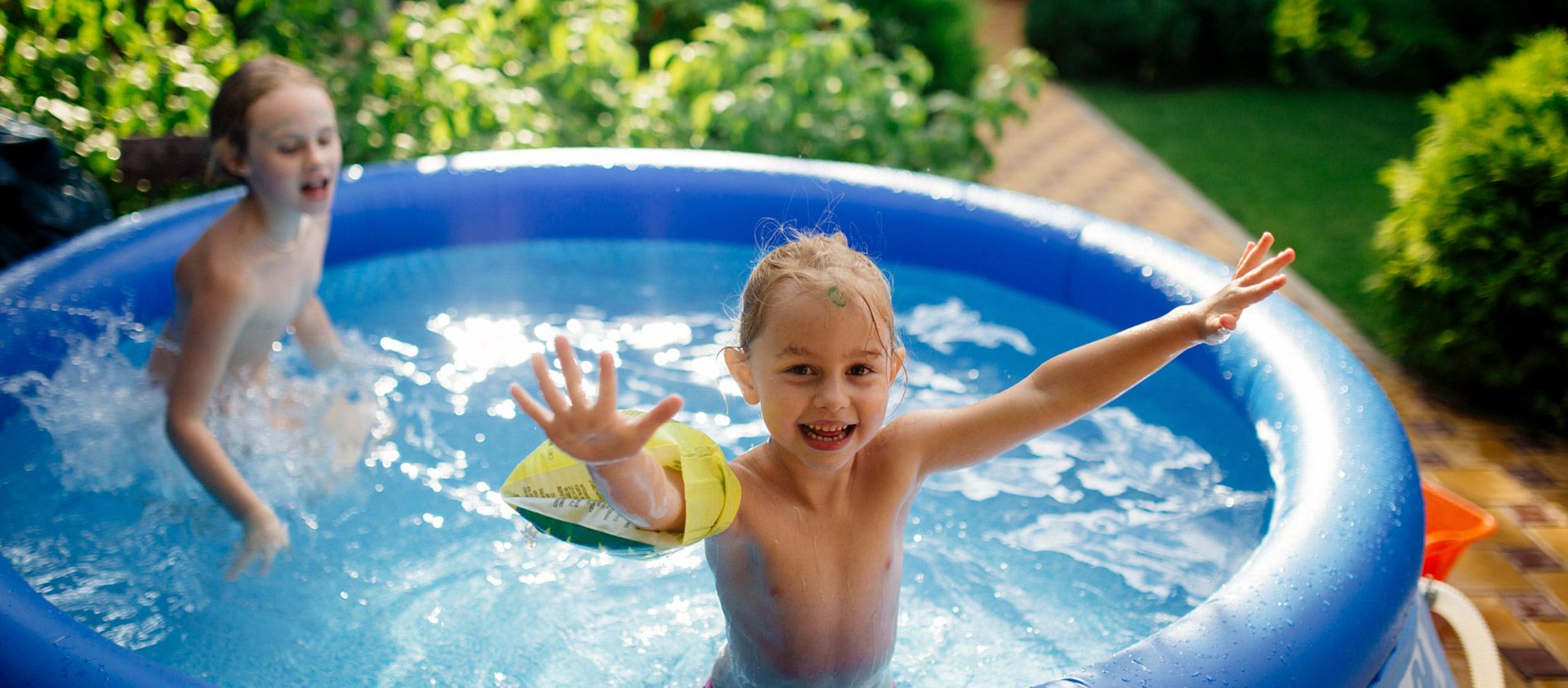
2. Water Resistance: Another major advantage of PVC is its water resistance, which makes it a good choice for outdoor applications such as swimming pools and garden ponds. It is also very easy to clean and maintain, making it an attractive option for swimming pool linings, gutters and shower trays.
3. Thermal Properties: In addition to its low heat conductivity, PVC has a high thermal resistance and is highly insulating. This insulation property enables it to be used in many indoor applications, such as walls, ceilings, doors and windows.
4. Improved Impact Resistance: A range of plasticisers can be added to the base PVC compound, giving it improved impact and shock resistance. These compounds are called modified or oriented PVC (PVC-M or PVC-O) and have increased strength and a higher ultimate tensile stress than standard UPVC-U, depending on the type of modifier.
5. Recyclable: The base PVC compound can be reprocessed again and again to produce second life products, which means that a significant amount of waste is avoided. This is especially important in light of the global pollution problems.
6. Environmentally Friendly: The production of PVC uses less energy than other types of industrial fabric, resulting in lower carbon emissions and reduced waste. Additionally, it can be easily recycled, helping to minimize the impact on the environment and reduce the need for new raw materials.
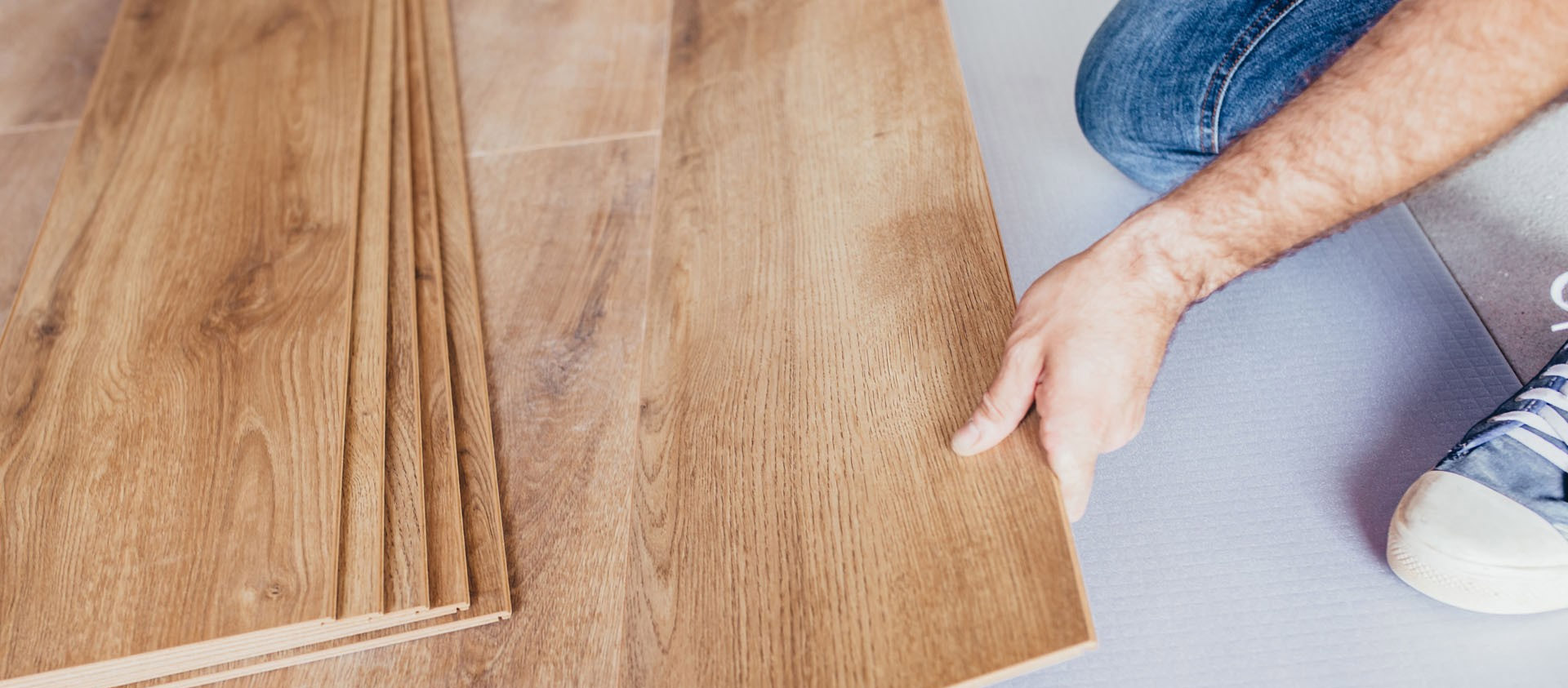
7. Strong, Durable and Weather Resistant: Unlike wood or metal, PVC does not rot, crack or corrode. This makes it a great choice for a variety of construction and building projects, from roofing systems to flooring and window frames.
8. Anti-Static: A common requirement for modern buildings, PVC is extremely resistant to static electricity and can withstand a wide range of temperatures. It also resists a number of chemicals and has an insulating capacity that makes it ideal for heating systems in buildings.
9. Resilient: PVC is very strong and has good elasticity, so it is often used as a building cladding material in the United States. It is also used as a waterproof membrane on walls and roofs.
10. High Performance: Compared to other construction and building materials, PVC is a good choice for a variety of applications, from insulation to flooring. It is also a durable and lightweight material that is easy to transport and install, making it an ideal choice for residential and commercial construction projects.