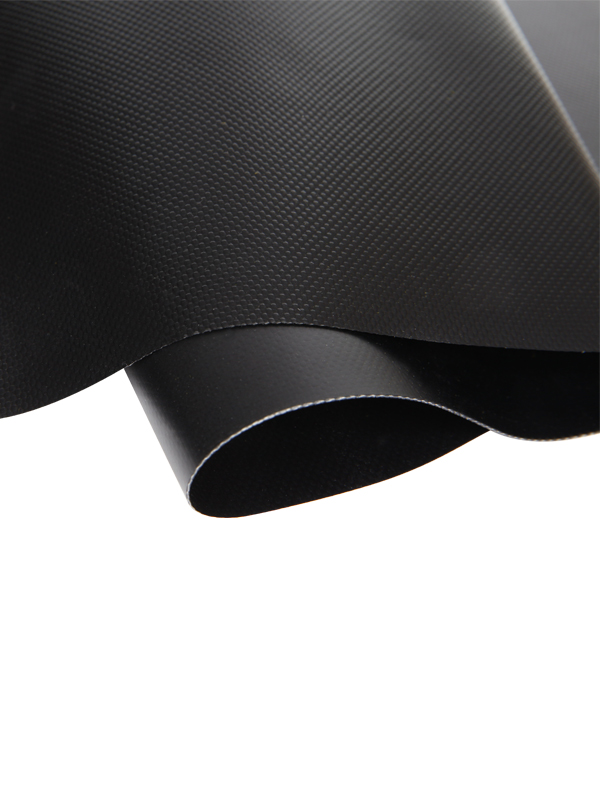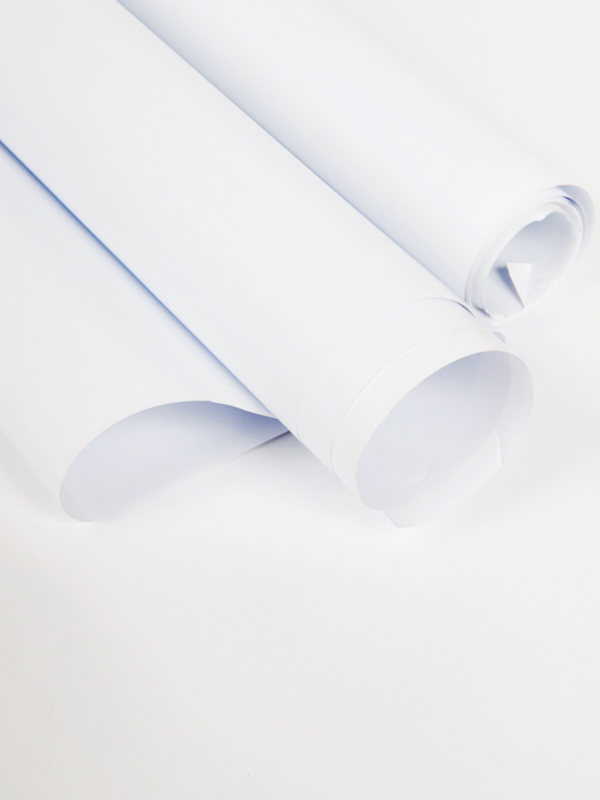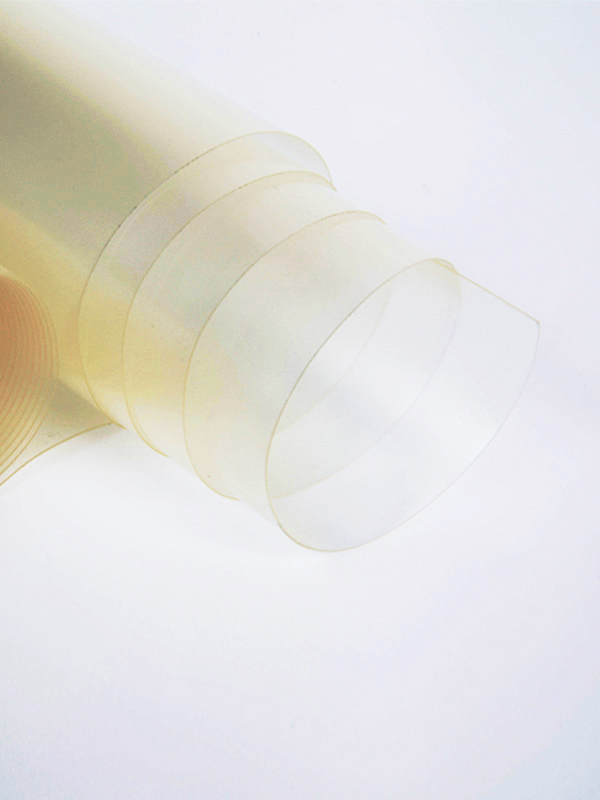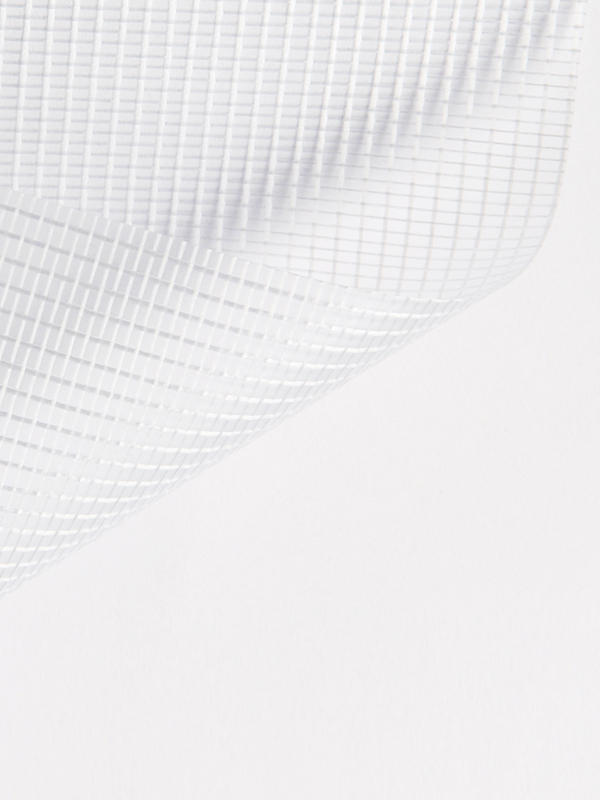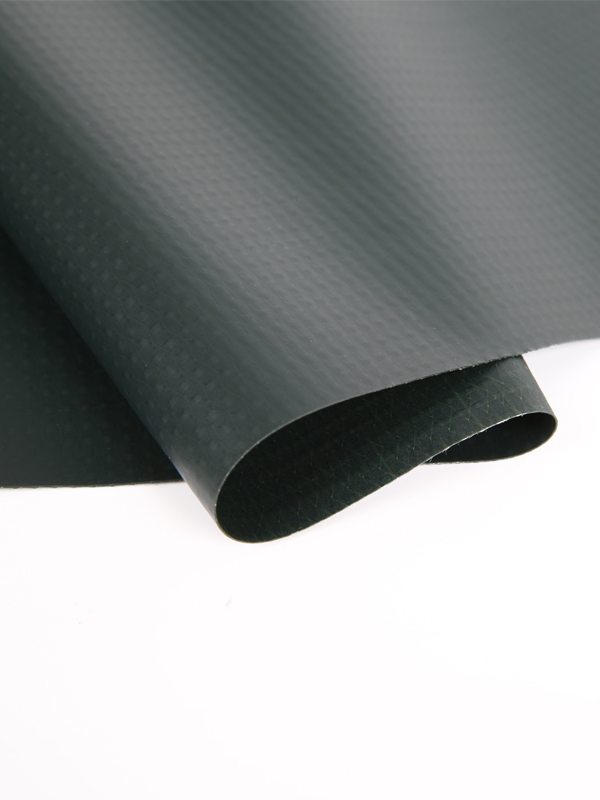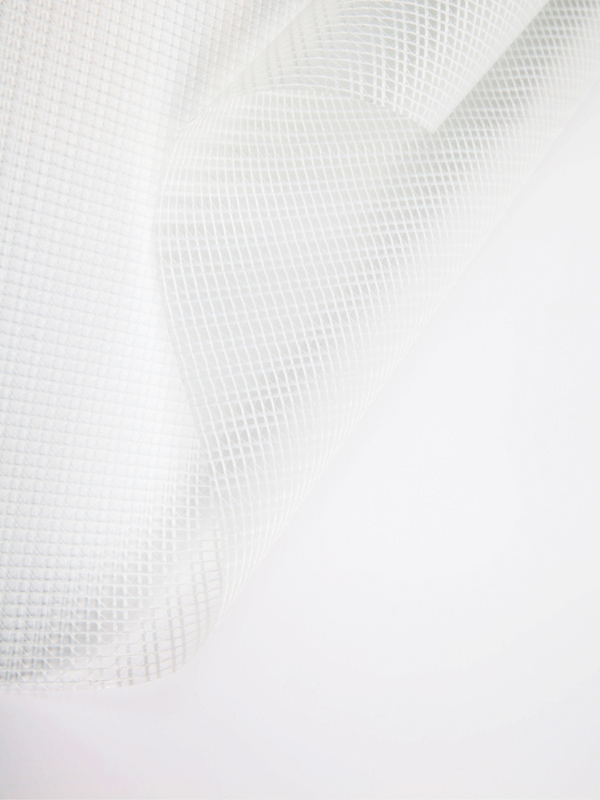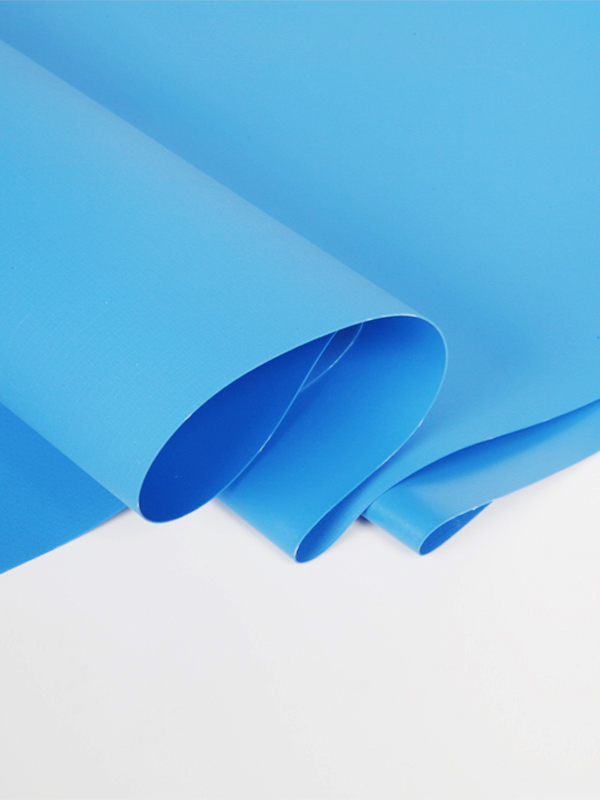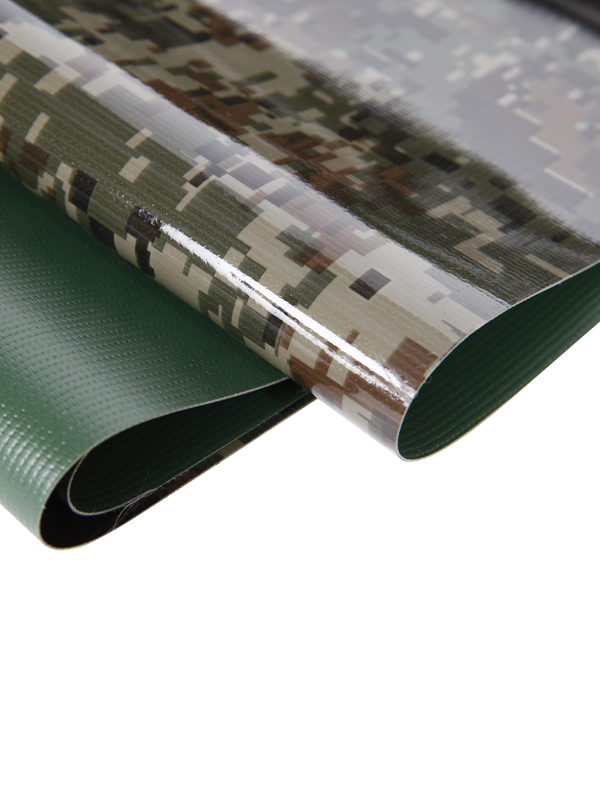
PVC Flex Banner are one of the common materials used in the signage and advertising field today. The material consists of a polyester scrim tightly coated on both sides with flexible polyvinyl chloride. This layered construction gives the banner its characteristic strength, flexibility and printability. Businesses, event organizers, political campaigns, construction companies and many other groups rely on it for both short-term promotions and longer-lasting outdoor or indoor displays.
The quality that draws attention is the material's ability to handle outdoor conditions. Sunlight, rain, wind and temperature changes do not cause rapid deterioration when the banner is made with reasonable care. The PVC coating protects the fabric core from moisture penetration and helps prevent the colors from washing out too quickly. UV stabilizers are commonly added during manufacturing so that the printed message remains legible for months or even years when the banner is exposed to direct daylight. This weather tolerance makes PVC flex banners a logical choice for roadside advertising, building wraps, fence covers, construction-site hoarding and temporary event signage.
Wind resistance is another practical advantage. The scrim inside the material distributes stress evenly when gusts pull on the edges or the center. Reinforced eyelets, welded hems or pocket tunnels are often added during fabrication so that the banner can be secured tightly to frames, poles or ropes. A banner that flaps violently is more likely to tear or lose its shape; the internal reinforcement reduces that risk. In regions with frequent strong winds, installers usually choose heavier-weight material or add additional cross-bracing to keep the surface taut.
Tear strength matters in high-traffic or public locations. People sometimes brush against banners, equipment may bump them, or sharp corners can catch the edge. The polyester base provides a tear-stopping layer that keeps small punctures or cuts from spreading into long rips. This durability translates into fewer emergency replacements during an advertising campaign.
The flexibility of the material simplifies logistics. A rolled banner fits into the back of a car, a van or even public transport. It can be carried up stairs, through narrow doorways or into crowded venues without the difficulty of moving rigid aluminum composite panels or acrylic sheets. At the installation site, the banner unrolls easily and can be hung with basic tools: rope, zip ties, bungee cords, grommet clips or hook-and-loop strips. The same banner can be taken down, rolled again and stored flat or in a tube without permanent creasing if it is handled carefully.
Installation versatility goes beyond simple flat mounting. The material drapes over curved surfaces, wraps around columns, hangs as a double-sided flag or forms a three-dimensional box sign when supported by an internal frame. This adaptability allows creative placement in locations where flat rigid signs would be impractical or impossible.
Printing quality is one of the main reasons PVC flex banners remain popular. The smooth, slightly textured coating accepts solvent, UV-curable and latex inks very well. Modern wide-format printers produce sharp text, fine photographic detail, gradients and spot colors without noticeable dot gain or banding.
| Aspect | Description / Feature | Benefit / Outcome |
|---|---|---|
| Surface Quality | Smooth, slightly textured coating | Accepts inks evenly and reliably |
| Ink Compatibility | Works well with solvent, UV-curable, and latex inks | Supports high-quality printing with different technologies |
| Printer Capability | Modern wide-format printers | Produces sharp, detailed results |
| Print Detail | Sharp text, fine photographic detail, gradients, spot colors | High visual clarity and professional appearance |
| Print Quality Issues | Minimal dot gain or banding | Clean, smooth output without common printing artifacts |
The ink bonds tightly to the surface so that it does not flake off during handling or when exposed to weather. When viewed from a distance—typical for outdoor advertising—the colors remain vivid and the message readable.
Design freedom is wide. A banner can carry a single large headline, a full-bleed photograph, multiple smaller images, QR codes, contact details or a combination of all these elements. Borders, shadows, outlines and special effects can be added to improve readability or visual impact. Because the material is printed in one continuous piece, there is no risk of mismatched patterns or visible joins that sometimes appear on segmented rigid signs.
Cost is frequently the deciding factor. Producing a PVC flex banner involves relatively few steps compared with cutting and welding metal, routing acrylic, or assembling illuminated cabinets. The raw material price per square meter remains moderate, and digital printing eliminates the need for expensive screens or plates. Labor for finishing—adding hems, eyelets, pole pockets or banner tape—is straightforward and fast. When the total project budget is limited, PVC flex banners allow larger sizes or multiple copies without exceeding financial constraints.
Installation labor costs are also kept low. No heavy lifting equipment is required for banners. A ladder, a measuring tape, a level and some basic fasteners are usually sufficient. In many cases one or two people can complete the job in a short time. This speed is valuable for short-notice events, seasonal promotions or campaigns that need to appear in many locations simultaneously.
Cleaning is simple and infrequent. Dust, pollen, bird droppings or road grime can be removed with a soft brush, a low-pressure hose or a cloth dampened with mild soapy water. Aggressive scrubbing is not needed because the ink is embedded in the coating rather than sitting on top. Regular cleaning keeps the banner looking presentable and maintains its advertising value throughout the campaign period.
| Aspect | Cleaning Method / Tools | Key Notes / Outcome |
|---|---|---|
| Cleaning Frequency | Simple and infrequent | Minimal effort required during the campaign |
| Common Contaminants | Dust, pollen, bird droppings, road grime | Easily removable with basic methods |
| Recommended Cleaning Tools | Soft brush, low-pressure hose, cloth with mild soapy water | Gentle techniques preserve material and print quality |
| Scrubbing Requirement | No aggressive scrubbing needed | Ink is embedded in the coating, not surface-applied |
| Purpose of Regular Cleaning | Keeps banner presentable | Maintains visual appearance and advertising effectiveness |
End-of-life handling has improved in recent years. Many fabricators and printers collect used banners and send them to specialized recycling facilities where the PVC is separated from the polyester scrim. The recovered PVC can be reprocessed into new flexible products. While not every region has convenient collection points yet, the infrastructure for recycling PVC flex material continues to grow. Choosing suppliers that participate in take-back programs helps reduce landfill waste.
Application examples are numerous. Construction companies use banners to communicate site safety rules, display project names or announce completion dates. Retailers hang seasonal promotions over storefronts or along perimeter fences. Political campaigns place banners on private property, street poles or vehicles. Festivals and sports events use them for directional signs, sponsor acknowledgments and entrance decorations. Schools, community centers and religious organizations print banners for fairs, fundraisers or special celebrations.
Temporary indoor usage is common too. Trade show booths feature large banners as backdrops or sidewalls. Conference venues hang welcome messages or sponsor lists from ceilings or walls. Pop-up shops and market stalls rely on banners for brand visibility. In all these cases the material is chosen because it can be transported easily, set up quickly and stored compactly afterward.
Permanent indoor installations are also possible. Shopping malls, gymnasiums, warehouses and factory interiors sometimes use PVC flex banners as durable wayfinding aids or motivational messages. In these settings the material is valued for its low maintenance and ability to stay flat without stretching or sagging over time.
PVC flex banners sit in a practical middle spot when you compare them to other signage options. Rigid aluminum composite panels last longer and have a more upscale, polished look, but they weigh a lot more, cost significantly higher, and are awkward to move around or ship. Mesh banners let wind blow straight through them, so they hold up better in really exposed spots with constant gusts, but the open weave makes the printed image less sharp and the colors a bit softer from a distance. Fabric banners feel lighter and more flexible, and they're easier to drape or fold, but they tend to fade quicker in sunlight and soak up water if it rains, which shortens their outdoor life. Vinyl stickers stick nicely to smooth flat surfaces and give a clean appearance, but they're limited to smaller sizes and can't be hung freely or used as suspended signs without extra support. PVC flex banners strike a useful balance among these choices—strong enough for outdoor use, easy to transport and hang, printable with good clarity, and priced reasonably for both short jobs and longer runs.
How long a banner actually lasts depends on a handful of things: the thickness of the material, the type of ink used, how well it was installed, how much direct weather it takes, and whether it gets cleaned occasionally. A decent banner hung in a spot that's partly sheltered—maybe under an awning or on the side of a building—can stay looking good for several years if it's wiped down now and then. Put the same banner in full sun with no shade or in a dusty, polluted area, and you'll see fading or a chalky surface appear sooner. Picking the right weight and coating for the place it's going makes a big difference in how long it holds up.
Storage matters if you want to reuse them. Roll the banner instead of folding it—folds leave permanent creases that show up when you hang it again. Keep it in a cool, dry spot, away from windows or heaters, so the coating and ink don't break down early. When stored the right way, plenty of banners come back out for a second or third season without looking worn.
Fire safety comes into play for some jobs. Indoor venues, public buildings, tents, and certain event spaces often require fire-retardant material to pass local codes. Some PVC flex banners are made with special additives that slow down how fast flames move and cut back on smoke if they do burn. These versions still roll up easily, print well, and handle weather like the standard ones, so you don't lose the main benefits just to meet the safety rules.
Shanghai MSD International Trade Co., Ltd
Shanghai MSD offers PVC flex banners that combine dependable outdoor performance with practical everyday usability, making them a straightforward choice for advertising, events, construction signage, and promotional needs. With consistent material quality, good weather resistance, solid print clarity, and flexibility in both temporary and longer-term applications, their banners support clean, vibrant results that hold up under sun, rain, wind, and moderate handling. The lightweight design simplifies transport, storage, and installation, while the easy-to-clean surface and reasonable cost help keep maintenance and project expenses manageable.
By focusing on balanced durability, printability, and adaptability without unnecessary complexity, Shanghai MSD delivers signage solutions that work reliably across a wide range of uses—whether for short-term promotions, seasonal displays, or extended outdoor visibility. Choosing Shanghai MSD means selecting a manufacturer committed to consistent, functional flex banner products that help businesses and organizations communicate effectively while keeping installation and upkeep simple and cost-effective.

English
русский
Français
Español
عربى