News

Home / News / Advancing with Printable Translucent Films: Functionality Meets Sustainability

Advancing with Printable Translucent Films: Functionality Meets Sustainability

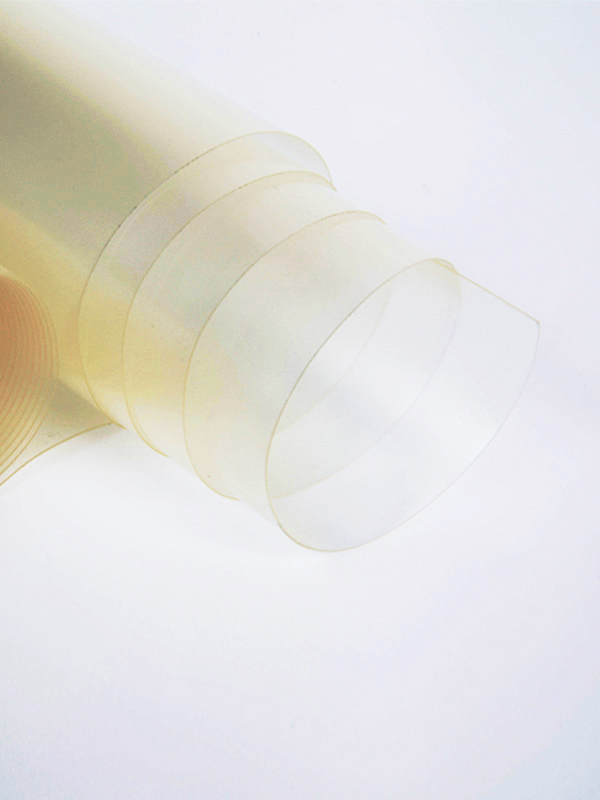
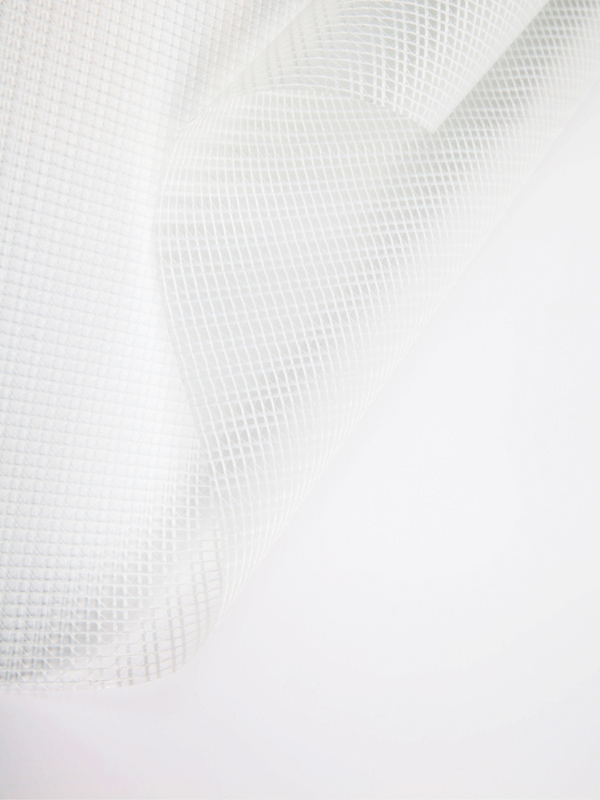
Printable Translucent Film has become a notable material in several industries due to its blend of light-passing qualities and printing compatibility. This film lets a portion of light through while holding onto inks for designs, text, or images. The result is a versatile option for projects that require both see-through elements and clear visual messaging.

One common application lies in packaging. The film can cover products and offer a partial look at what's inside, which helps people feel more informed about their choices. On the outer layer, it supports printed details like company names, product features, safety warnings, or marketing phrases. This setup suits items such as beauty products, prepared foods, and household goods. Packaging made this way often appears inviting and straightforward, aligning with preferences for designs that show rather than hide.

Signage takes advantage of the film's light diffusion to create effective displays. When backed by lighting, the printed parts light up evenly, making them stand out in places like retail outlets, eateries, event venues, and transit areas. The smooth light spread prevents uneven brightness, so the sign works well under various conditions. Many use it for advertising boards, directional markers, and update panels that need to catch the eye without overwhelming viewers.

In building and design work, the film adds value to interior elements. Applied to windows or glass panels, it tempers harsh sunlight and creates some privacy while letting rooms stay illuminated. Printed motifs, from geometric shapes to custom graphics, bring style to the space. Commercial spaces like workplaces, stores, and hospitality areas often include it in dividers, entryways, or accent features. At home, it appears in light-filtering shades or decorative screens that enhance ambiance without reducing brightness.

The way this film is made has improved to handle different printing needs. Treatments on the surface help inks stick better, to crisp outputs that resist fading or damage. Modern printing setups enable efficient creation of varied quantities, from limited editions to regular stock. Techniques with rapid-setting inks work for items meant to last in everyday use. Producers can adjust the film to fit specific tasks, giving options in thickness, texture, and finish.

Attention to the environment shapes many aspects of the film's creation. Options now include materials that recycle easily or come from sustainable sources. Steps in making the film aim to cut down on energy and leftover materials. With growing focus on eco-friendly practices, this helps companies meet goals for lower impact. Efforts to collect and reuse spent film are spreading, promoting systems that loop resources back into new products.

Electronics benefit from the film's slim build and adaptable nature. It can form layers in devices where light needs to filter through printed or operational parts. This aids in building smaller gadgets, control surfaces, or bendable screens. The ability to add functional prints while keeping clarity supports ongoing work in portable tech.

Application in Electronics Key Benefits of the Film Resulting Advantages
Device layers Slim build + light transmission Enables thinner, more compact designs
Control surfaces / interfaces Printed functional parts + maintained clarity Supports intuitive, illuminated controls
Bendable / flexible screens Adaptable nature + durability Ideal for foldable and wearable devices
Portable tech development Functional prints without sacrificing optical quality Accelerates innovation in small, smart gadgets

Artists and teachers find the film handy for exploration. By stacking pieces with different prints, creators can play with how light alters views, building layered effects. In learning environments, it illustrates ideas about optics, shading, or layout through simple activities.

The interest in this film ties into needs for materials that adjust easily to changes. Companies like how it allows for prompt updates and targeted production, which keeps operations lean. It performs adequately in standard settings, handling typical wear, dampness, and heat variations.

Ongoing studies work on refinements, like better light handling or tougher surfaces. Mixes of ingredients and new layers keep advancing what the film can do. Connections between experts and users help shape these changes to fit practical situations.

Shanghai MSD International Trade Co., Ltd

With continuous advancements in material quality, print compatibility, and sustainable production practices, Shanghai MSD stands out as the ideal choice for companies seeking materials that combine  performance with environmental responsibility.

Whether your goal is to enhance product packaging presentation, create eye-catching illuminated signage, or integrate functional films into architectural or electronic applications, Shanghai MSD provides the technical support and flexibility needed to meet specific project requirements. Choosing Shanghai MSD will enable businesses to stay ahead of the curve while focusing on functionality, visual appeal, and long-term value.

Shanghai MSD International Trade Co., Ltd
With a registered capital of 139 million CNY, MSD is a high-tech enterprise integrating R&D, production and sales of high-end PVC products and decorative film materials, being founded in 2002 and located in Maqiao Warp knitting Park, Haining city, Zhejiang Province. MSD is specializing in the production of environmental friendly decorative materials, functional motion materials, flexible materials ect. The company owns the core technology which makes it to be the leading enterprise in PVC calendering coating industry. At present, the company has 1100 employees, including 120 technicians, and a factory area of 180,000 square meters. In 2021, the sales has reached 2.6 billion CNY.


Related Products