Industry News

Home / News / Industry News / Is Double Wall Fabric the Ultimate Solution for Insulation and Comfort?

Is Double Wall Fabric the Ultimate Solution for Insulation and Comfort?

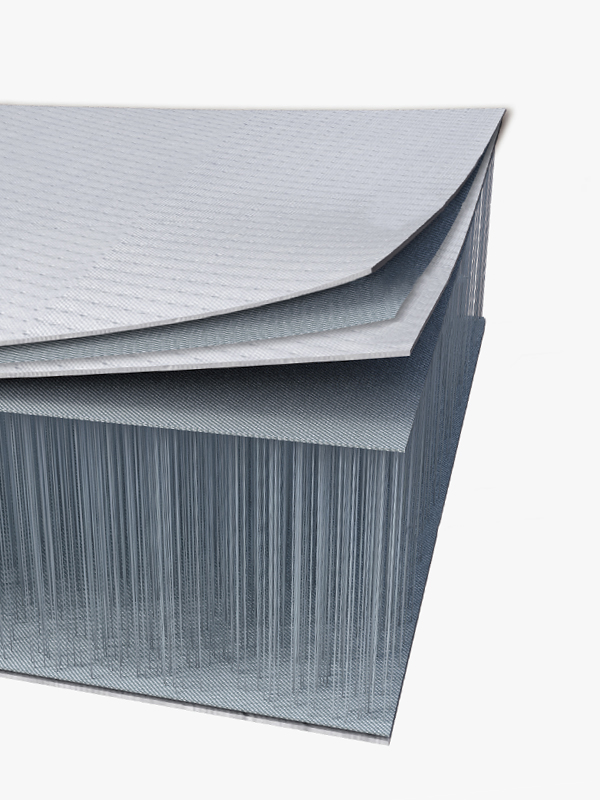
Double Wall Fabric brings a simple but effective idea to textile construction. It uses two separate layers of material with a built-in space between them, held open by a series of connecting threads. That space traps a layer of still air, which naturally resists the movement of heat. The result is a fabric that helps keep things warmer when it's cold outside and cooler when the surroundings heat up, all while staying flexible enough to use in clothing, home goods, and other practical items.

The Way It's Built

At its foundation, double wall fabric consists of an outer face, an inner face, and thousands of fine threads running between them. These threads act like tiny pillars, keeping the two surfaces apart at a steady distance. The whole piece is usually woven on specialized machines that handle all three parts in one go.

Because the connecting threads are anchored into both layers, the air space stays consistent even when the fabric bends, stretches, or gets folded. This is different from traditional insulation methods that rely on loose filling or batting, which can shift around over time and create uneven spots.

The trapped air is the real working part. When air isn't moving, it conducts heat very slowly. That slow conduction creates a barrier that helps maintain a comfortable temperature on one side of the fabric regardless of what's happening on the other side.

Keeping Comfortable in Changing Weather

In cold conditions, the air pocket slows down the rate at which body heat escapes. The two layers work together to block drafts and reduce the cooling effect of wind. People notice the difference when they wear a jacket made this way on a chilly morning: warmth stays close instead of leaking out quickly.

When temperatures rise or during physical activity, the same structure lets moisture vapor move outward while keeping too much outside air from rushing in. This helps avoid the clammy feeling that sometimes comes with heavily insulated materials. The fabric strikes a useful balance that works for everything from quiet walks to longer outdoor efforts.

Around the house, the principle applies just as well. Curtains made with double wall fabric cut down on heat coming through windows during sunny afternoons. At night they help keep warmth from slipping away. Bedding using this kind of material tends to feel steady in temperature, so sleepers don't wake up too hot or too cold as the room changes through the night.

Furniture covers and wall hangings can quietly help rooms stay more even in temperature, especially in places where sunlight pours in during the day or cold air creeps through large windows.

Built to Last Longer

Having two layers instead of one gives the fabric a natural boost in toughness. Any pull, push, or rub spreads across the whole system instead of concentrating in one spot. That spreading of force makes tears and permanent stretching less likely.

The outer surface takes of the scrapes and rubs, protecting what's underneath. In things that get handled a lot—work pants, tool bags, protective sleeves—the extra layer of resilience adds up to noticeably longer life.

The connecting threads also play a supporting role. They stop the two faces from collapsing completely when something presses down, so the fabric springs back into shape afterward. This helps it keep performing well after years of use and storage.

Easy to Shape and Move With

Even though it has more going on inside, double wall fabric still bends and folds quite naturally. The spacer threads are usually thin enough that they don’t make the material stiff. Clothes made from it follow body movement without feeling board-like.

When you're not using it, the fabric can be rolled or packed away without too much trouble. The air space compresses under light pressure, which makes storage easier compared to rigid or heavily padded alternatives.

Aspect Description (Optimized) Practical Advantage
Flexibility & Draping Bends and folds naturally; thin spacer threads prevent stiffness Clothes follow body movement comfortably, no rigid feel
Compressibility Air space reduces under light pressure Easy to roll or pack for storage and transport
Comparison to Alternatives More compressible than rigid or heavily padded materials Simpler storage than traditional thick insulation

Adding Extra Features When Needed

The basic design leaves room for useful add-ons. One side can get a water-repellent treatment to shed rain while still letting vapor escape. Another finish might add full waterproofing for wetter conditions. Treatments that slow down fire spread can go on for safety-focused items. Reflective coatings help in low-light situations.

These extras fit smoothly onto the existing structure. The fabric already handles temperature and strength well, so the added features improve performance rather than trying to fix basic weaknesses.

What You Trade For the Benefits

The extra layer and threads do add some weight compared to ordinary single-layer fabrics. For activities where every ounce counts—long-distance backpacking, racing gear—the difference can matter. In regular daily use, home items, or work clothing, though, the added grams rarely feel like a real drawback.

Making the fabric takes more steps and specialized equipment than standard textiles. That means higher production costs, which usually show up in the purchase price. Over time the picture often changes: things last longer, so replacements happen less often. In homes, better temperature control can quietly lower heating and cooling bills. For people who use gear regularly, having one reliable piece instead of several layers saves effort and space.

Aspect Trade-Off / Drawback Benefit / Long-Term Value
Weight Slightly heavier due to extra layer & threads Rarely noticeable in daily use, home items, or workwear
Initial Cost Higher production cost & purchase price Longer lifespan reduces replacement frequency
Overall Value More upfront investment & minor added weight Better temperature control, energy savings, less layering, simplified use & storage

Where It Shows Up in Real Life

In outdoor clothing, jackets and pants made this way keep people comfortable through shifting weather without feeling bulky. Sleeping bags hold steady warmth while packing smaller than designs filled with thick loft.

Tents benefit from inner linings or floors made with the fabric, creating a nicer space inside. The material helps maintain a pleasant temperature and stands up to repeated folding and setup.

Work clothing for outdoor jobs or changing shifts keeps people in a comfortable zone for hours at a time. Protective gear in workshops or warehouses gains both temperature control and toughness. Field equipment used by response teams performs reliably in tough conditions.

At home, window coverings manage daily heat flow. Bed sheets stay comfortable night after night. Furniture upholstery adds a layer of subtle temperature steadiness, especially useful in sunlit rooms or drafty spaces.

Simple Ways to Keep It in Good Shape

Care is straightforward. Wash with mild soap on a gentle cycle to protect the surfaces and internal threads. Hang to dry or use low heat to avoid putting too much stress on the spacers. Skip strong chemicals and rough handling to keep any special finishes working longer.

Check seams and high-wear spots from time to time. Small repairs are usually easy with matching patches or careful stitching, catching little problems before they turn into bigger ones.

Shanghai MSD International Trade Co., Ltd

Shanghai MSD possesses mature expertise in producing high-quality double-layer fabrics, a reliable supply chain, an experienced technical team, and efficient production processes, ensuring consistent material quality and timely delivery. By partnering with Shanghai MSD, we will continue to focus on reliable processes and thoughtful solutions to enhance the practical user experience and value for our end customers.

Shanghai MSD International Trade Co., Ltd
With a registered capital of 139 million CNY, MSD is a high-tech enterprise integrating R&D, production and sales of high-end PVC products and decorative film materials, being founded in 2002 and located in Maqiao Warp knitting Park, Haining city, Zhejiang Province. MSD is specializing in the production of environmental friendly decorative materials, functional motion materials, flexible materials ect. The company owns the core technology which makes it to be the leading enterprise in PVC calendering coating industry. At present, the company has 1100 employees, including 120 technicians, and a factory area of 180,000 square meters. In 2021, the sales has reached 2.6 billion CNY.


Related Products